
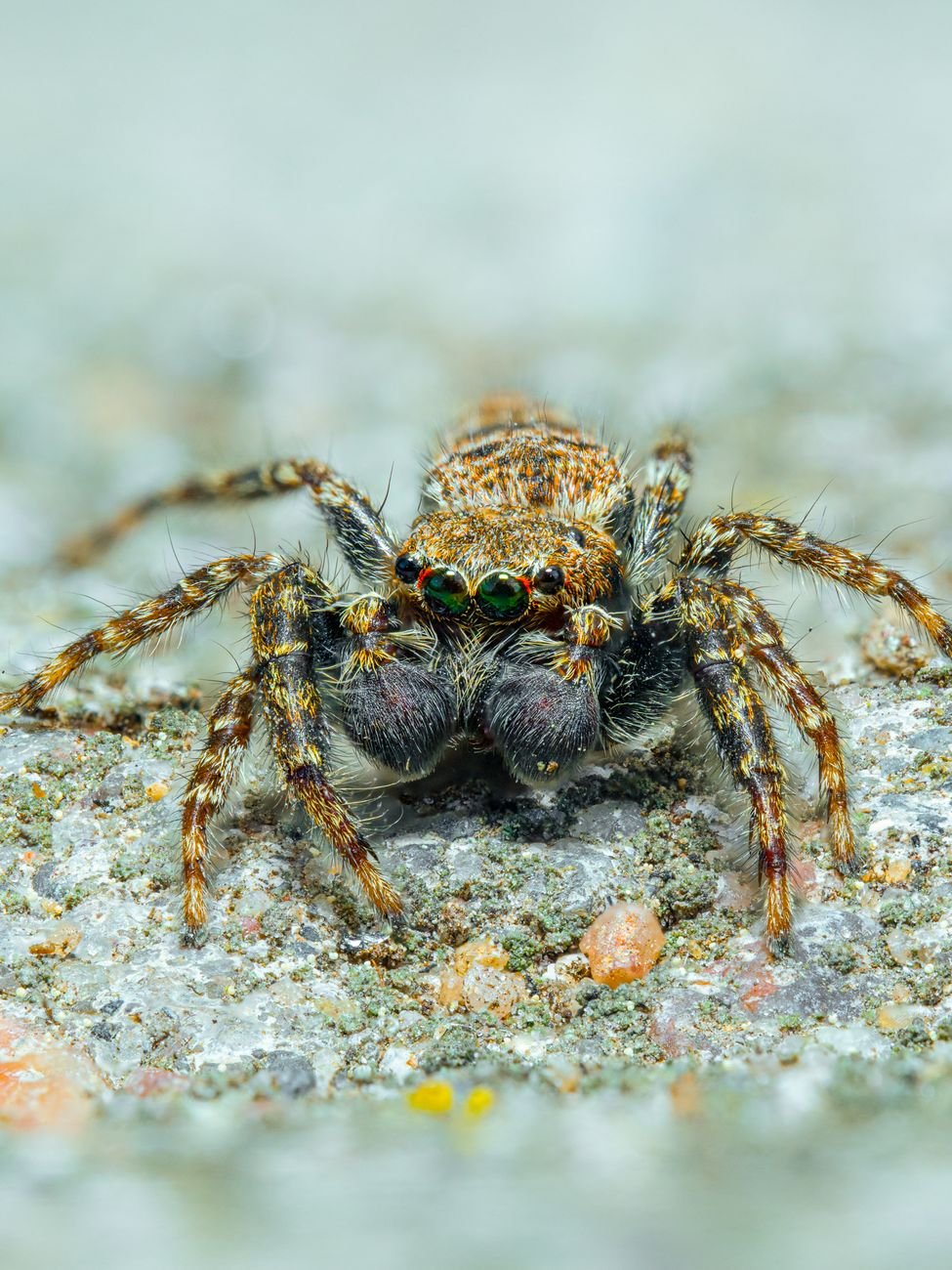

Spider Mites: A Houseplant Owner’s Nightmare
Spider mites are tiny, sap-sucking pests that can wreak havoc on your houseplants. These minuscule arachnids are notorious for their rapid reproduction and ability to quickly infest entire collections. Understanding how to identify, treat, and prevent spider mites is crucial for maintaining a healthy and vibrant indoor garden. This comprehensive guide provides the expert knowledge you need to protect your plants and keep them thriving.
Why are Spider Mites So Common on Houseplants?
Several factors contribute to the prevalence of spider mites on houseplants. First, they thrive in warm, dry conditions, which are common in many homes, especially during winter when heating systems are in use. Second, spider mites are easily introduced to your home on new plants, cut flowers, or even on your clothing after being outdoors. Finally, their small size and ability to hide in crevices make them difficult to detect until an infestation is well underway.
Identifying Spider Mites on Houseplants
Early detection is key to controlling spider mite infestations. Learn to recognize the signs of their presence before they cause significant damage.
Visible Signs of Spider Mites
While spider mites themselves are difficult to see with the naked eye (they are about the size of a grain of salt), their damage and webbing are often the first indicators of a problem. Look for the following:
- Fine stippling or yellowing on leaves: This is caused by the mites feeding on the plant’s sap.
- Tiny webs: Spider mites spin fine webs, particularly on the undersides of leaves and between stems. This is a telltale sign of a heavy infestation.
- Minute moving dots: If you look closely, you may be able to see the spider mites themselves moving on the leaves. Use a magnifying glass for a better view.
- Leaf drop: In severe cases, infested leaves may turn yellow or brown and fall off.
Using the White Paper Test
A simple way to confirm the presence of spider mites is the white paper test. Hold a piece of white paper under the leaves of your plant and gently tap the foliage. If spider mites are present, they will fall onto the paper and appear as tiny moving specks.
Spider Mite Treatment Options
Once you’ve identified a spider mite infestation, prompt action is necessary to prevent it from spreading. Several treatment options are available, ranging from natural remedies to chemical controls.
Natural and Organic Treatments
For mild infestations or for those who prefer a more eco-friendly approach, natural and organic treatments can be effective.
- Isolate the infested plant: Immediately separate the affected plant from other plants to prevent the mites from spreading.
- Wipe down the plant: Gently wipe down the leaves, stems, and pot with a damp cloth or sponge to remove as many mites as possible.
- Insecticidal soap: Spray the plant thoroughly with insecticidal soap, paying close attention to the undersides of the leaves. Repeat every 2-3 days for several weeks. Look for a reputable brand on Amazon.
- Neem oil: Neem oil is another effective natural treatment. Mix neem oil with water according to the product instructions and spray the plant thoroughly. Repeat every 7 days. You can find quality neem oil products on Amazon.
- Predatory mites: Introduce predatory mites, such as Phytoseiulus persimilis, to your plants. These beneficial mites feed on spider mites and can effectively control infestations.
- Strong blast of water: A strong blast of water from your kitchen sink or shower can dislodge spider mites. Repeat this every few days.
Chemical Treatments
For severe infestations, chemical treatments may be necessary. However, it’s important to use these products with caution and follow the instructions carefully.
- Miticide: Miticides are specifically designed to kill mites. Choose a miticide that is labeled for use on houseplants and follow the instructions carefully. Rotate miticides with different active ingredients to prevent the mites from developing resistance.
- Systemic insecticides: Systemic insecticides are absorbed by the plant and kill mites that feed on the sap. These products can be effective but may also harm beneficial insects.
Important Note: Always test any treatment on a small area of the plant first to ensure that it doesn’t cause any damage.
Understanding Resistance
Spider mites can develop resistance to pesticides over time. To prevent this, avoid using the same pesticide repeatedly. Rotate between different types of treatments, including natural and chemical options. Regularly inspect your plants and treat infestations early, before they become severe.
Preventing Spider Mite Infestations
Prevention is always better than cure. By taking proactive steps, you can significantly reduce the risk of spider mite infestations.
- Maintain proper humidity: Spider mites thrive in dry conditions. Increase humidity around your plants by using a humidifier, grouping plants together, or placing them on trays filled with water and pebbles.
- Regularly inspect plants: Inspect your plants regularly for signs of spider mites. Pay close attention to the undersides of leaves and between stems.
- Clean leaves: Dust and debris can provide hiding places for spider mites. Regularly clean the leaves of your plants with a damp cloth or sponge.
- Quarantine new plants: Before introducing a new plant to your collection, quarantine it for several weeks to ensure that it is pest-free.
- Provide proper ventilation: Good air circulation can help prevent spider mite infestations.
- Avoid over-fertilizing: Over-fertilizing can make plants more susceptible to pests. Use a balanced fertilizer according to the product instructions.
Choosing the Right Products for Houseplant Care
Selecting the right products is crucial for maintaining healthy houseplants and preventing pest infestations. Here are a few essential items to consider:
- Well-draining potting mix: Use a high-quality potting mix that provides good drainage and aeration.
- Appropriate pots: Choose pots that are the right size for your plants and have drainage holes.
- Moisture meter: A moisture meter can help you avoid overwatering or underwatering your plants.
- Grow lights: If your plants don’t receive enough natural light, consider using grow lights to supplement their needs.
- Humidifier: A humidifier can help increase humidity around your plants, preventing spider mite infestations.
Houseplant Varieties and Spider Mite Susceptibility
Some houseplant varieties are more susceptible to spider mites than others. Knowing which plants are at higher risk can help you take extra precautions.
| Plant Variety | Spider Mite Susceptibility | Preventative Measures |
|---|---|---|
| Calathea | High | Maintain high humidity, regular inspections |
| Alocasia | Medium | Regular inspections, proper watering |
| Ficus (e.g., Fiddle Leaf Fig) | Medium | Clean leaves regularly, avoid dry conditions |
| Dracaena | Low | Regular inspections, proper watering |
| Succulents | Low | Avoid overwatering, provide good ventilation |
The Importance of a Healthy Plant Environment
A healthy plant environment is the best defense against spider mites and other pests. Providing your plants with the right conditions, including proper light, water, humidity, and nutrients, will make them more resistant to infestations. Remember to check out our related article on houseplant care tips for more in-depth information.
Light
Ensure your plants are getting the appropriate amount of light. Insufficient light can weaken plants, making them more vulnerable to pests.
Water
Water your plants properly, avoiding both overwatering and underwatering. Use a moisture meter to gauge the soil moisture levels.
Humidity
Maintain adequate humidity levels, especially for plants that prefer higher humidity. Use a humidifier or group plants together.
Nutrients
Fertilize your plants regularly with a balanced fertilizer. Avoid over-fertilizing, which can make plants more susceptible to pests.
FAQ: Spider Mites on Houseplants
How do spider mites spread to houseplants?
Spider mites can spread through various means, including air currents, contaminated tools, new plants, and even on your clothing after you’ve been outdoors. They are very small and easily transported.
Are spider mites harmful to humans or pets?
Spider mites are not directly harmful to humans or pets. They don’t bite or sting. However, some people may be allergic to the mites or their droppings, which can cause skin irritation or respiratory problems.
How often should I check my houseplants for spider mites?
It’s a good idea to check your houseplants for spider mites at least once a week. Regular inspections will help you catch infestations early, before they become severe.
Can I use dish soap to treat spider mites?
Yes, you can use a mild dish soap solution to treat spider mites. Mix a few drops of dish soap with water and spray the plant thoroughly. However, it’s important to use a mild soap and test it on a small area of the plant first to ensure that it doesn’t cause any damage. Insecticidal soap is generally safer and more effective.
What should I do if my spider mite infestation is severe?
If your spider mite infestation is severe, you may need to use a chemical miticide. Follow the instructions carefully and rotate miticides with different active ingredients to prevent the mites from developing resistance. Consider discarding heavily infested plants to prevent the infestation from spreading to other plants. Also, check out our guide on common houseplant pests for more information.
Will spider mites go away on their own?
No, spider mites will not go away on their own. They will continue to reproduce and damage your plants until you take action to control them. Early intervention is key.
Advanced Pro Tips for Superior Spider Mite Control
As an experienced botanist, I’ve seen countless spider mite battles. Here are insights from years of hands-on experience that go beyond basic treatments, focusing on prevention, long-term resilience, and truly understanding your adversary.
Pro Tip 1: The Art of Micro-Scouting & Action Thresholds
Don’t wait for visible webbing. True experts practice ‘micro-scouting’. This involves using a jeweler’s loupe (10x-30x magnification) to inspect the undersides of leaves, especially along veins, every 3-5 days. Look for the tiniest specks, subtle stippling (pinprick-sized pale dots) that precede major damage, or the characteristic ‘salt and pepper’ appearance of mites and their cast skins. Establish an ‘action threshold’ for your collection: for resilient plants, you might monitor a few mites; for delicate or highly susceptible species, even one mite sighting triggers immediate, targeted intervention. This proactive vigilance drastically reduces the need for aggressive treatments.
Pro Tip 2: Strategic Environmental Manipulation & Airflow Dynamics
While humidity is crucial, its interaction with airflow is often overlooked. Spider mites thrive in stagnant, dry air. Beyond simply raising humidity (aim for above 60% consistently), ensure excellent air circulation around and within your plant canopy. Use oscillating fans to create gentle breezes; this physically disrupts mite movement and reproduction while also making the microclimate less hospitable. Consider the ‘boundary layer’ effect: a thin layer of still, dry air can persist immediately around leaves even in a humid room. Good airflow breaks this down, exposing mites to higher humidity and making it harder for them to settle and feed effectively.
Pro Tip 3: Post-Infestation Plant Hardening & Nutritional Recovery
After a successful treatment, your plant isn’t out of the woods. Spider mite damage is a significant stressor. To prevent relapse and boost long-term resilience, focus on ‘plant hardening’ and nutritional recovery. Avoid heavy fertilization immediately after treatment; instead, provide a gentle, balanced feed (e.g., a diluted seaweed extract or a balanced NPK solution) to support new growth without overwhelming the plant. Ensure consistent, appropriate watering. Consider a preventative foliar spray with a silica-based product, which can help strengthen cell walls, making leaves more resistant to future pest attacks. Prune heavily damaged leaves only if the plant has enough healthy foliage to photosynthesize effectively, allowing it to direct energy towards recovery.
Frequently Asked Questions About Spider Mite Control