
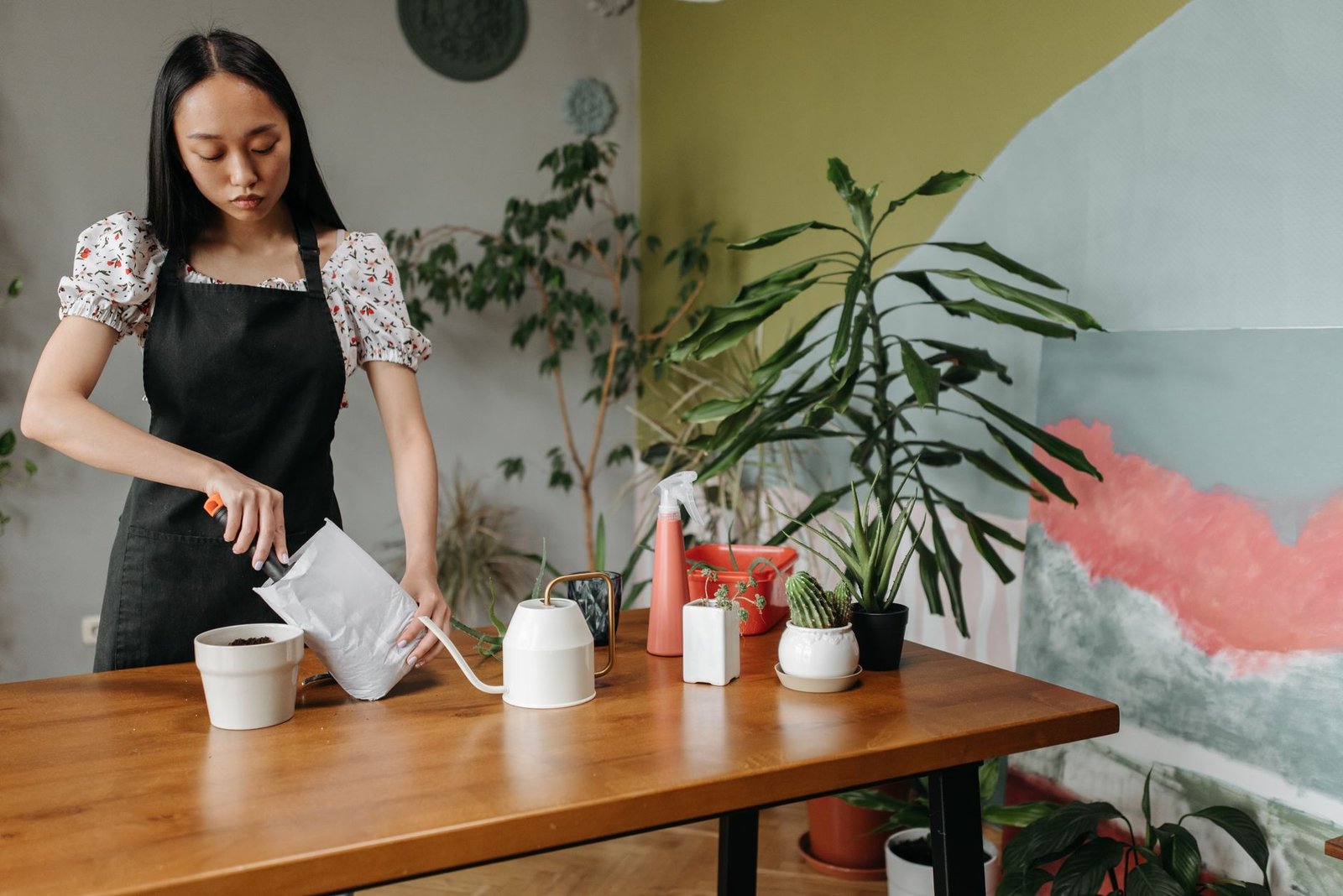

Every gardener knows that proper watering is the lifeblood of thriving plants. While the method matters – bottom watering, misting, or a good old-fashioned drench – the tool you use plays a critical role. That’s why the recent bobvila.com article, “The Best Watering Cans of 2026, Tested and Reviewed,” has the plant community buzzing. At PlantsMag.com, we’re diving deep into these recommendations, adding our expert perspective on how to choose the right watering can for your specific needs and offering crucial watering advice tailored for US gardeners.
Beyond just pouring water, the right watering can can improve your plant care routine. From delicate seedlings to thirsty outdoor containers, the ideal watering can delivers water precisely where it’s needed, preventing overwatering, minimizing leaf damage, and maximizing the efficiency of your efforts. So, let’s explore the best options and how to use them to cultivate a flourishing green space, no matter your USDA zone.
Understanding Your Watering Needs
Before rushing out to buy the highest-rated watering can, take a moment to assess your individual requirements. Consider the types of plants you grow, the size of your collection, and your physical capabilities. Are you primarily tending to delicate indoor houseplants, or do you have a sprawling outdoor garden? Do you need a can that’s lightweight and easy to maneuver, or are you looking for something more durable and high-capacity?
Indoor vs. Outdoor Watering
The needs of indoor and outdoor plants differ significantly. Indoor plants, often housed in smaller containers, require more controlled watering to prevent root rot. A watering can with a long, narrow spout is ideal for reaching into pots without splashing water on leaves. Outdoor plants, especially those in larger containers or garden beds, may need a higher capacity can to avoid constant refills. Consider the reach you need as well; a long spout can be invaluable for accessing plants tucked away in corners or hanging baskets.
Capacity and Material Matters
Watering can capacity is a crucial factor. A small can (around 1 quart) might be sufficient for a few indoor plants, while a larger garden could demand a 2-gallon or larger capacity. The material also impacts durability and weight. Plastic cans are lightweight and affordable, but may not withstand harsh weather conditions. Metal cans, often made of galvanized steel or copper, are more durable but can be heavier, especially when full. Consider the weight when full and how easily you can lift and maneuver the can.
Key Features to Look For in a Watering Can
Beyond capacity and material, several key features can significantly impact your watering experience. These include spout design, handle ergonomics, and overall build quality.
- Spout Design: The spout’s length and shape determine the water flow and precision. A long, slender spout is excellent for reaching into hanging baskets or watering plants with dense foliage. A rose (or sprinkler) attachment provides a gentle shower, ideal for delicate seedlings and preventing soil erosion.
- Handle Ergonomics: A comfortable handle is essential, especially when dealing with a full, heavy can. Look for handles that are contoured to fit your hand and provide a secure grip, even when wet. Some cans feature two handles for easier lifting and pouring.
- Build Quality: A well-built watering can will last for years. Check for sturdy construction, rust-resistant materials, and a secure connection between the spout and the can body. A wide base provides stability, preventing the can from tipping over easily.
Diving Deeper into Bob Vila’s Top Picks (and Our Alternatives!)
While we encourage you to read the bobvila.com article for the full details, let’s highlight some of their top picks and offer alternative suggestions based on our expertise and the specific needs of US gardeners. We’ll also consider factors like availability at popular US retailers like Home Depot, Lowe’s, and Amazon.
Note: Availability and specific models may vary. Always check with the retailer for current stock.
| Watering Can Category | Bob Vila’s Pick (Example) | PlantsMag.com Alternative | Key Features | Considerations |
|---|---|---|---|---|
| Best Overall | Union Watering Can (Specific model not specified – assume Galvanized Steel) | Behrens Galvanized Steel Watering Can | Durable, rust-resistant, classic design | Heavy when full, may rust over time if not properly cared for. |
| Best for Indoor Plants | Haws Vascot Long Reach Watering Can | Esschert Design Zinc Watering Can with Long Spout | Long, narrow spout for precise watering, prevents splashing | Smaller capacity, may not be suitable for larger gardens. |
| Best for Seedlings | Radius Garden Root Pouch Watering Can | Fasmov Plastic Watering Can with Rose Head | Gentle shower, prevents soil erosion, lightweight | May not be as durable as metal options. |
| Best Budget Option | (Assuming a basic plastic can) | Gardman Plastic Watering Can | Affordable, lightweight, readily available | Less durable, may crack or fade over time. |
| Best Self-Watering | (Bob Vila doesn’t explicitly list a self-watering can) | Sip ‘N Grow Watering Can with Plant Stand | Watering and feeding in one, easy to use. | Does not have a sprinkler spout. |
Beyond the Can: Essential Watering Techniques for US Gardens
Choosing the right watering can is only half the battle. Mastering proper watering techniques is crucial for ensuring your plants thrive. Here are some key considerations for US gardeners, taking into account regional climates and common plant types:
- Water deeply and less frequently: Encourage deep root growth by watering thoroughly when the soil is dry to the touch. Avoid frequent, shallow watering, which can lead to shallow root systems and increased susceptibility to drought.
- Water at the base of the plant: Direct water to the soil around the plant, avoiding wetting the foliage as much as possible. Wet leaves can create a breeding ground for fungal diseases, especially in humid climates.
- Consider your USDA zone: Plants in drier, hotter zones (like the Southwest) will require more frequent watering than those in cooler, wetter zones (like the Pacific Northwest). Adjust your watering schedule accordingly.
- Pay attention to soil type: Sandy soils drain quickly and require more frequent watering than clay soils, which retain moisture for longer. Amend your soil with organic matter to improve drainage and water retention.
- Water in the morning: This allows the foliage to dry out before nightfall, reducing the risk of fungal diseases. It also minimizes water loss through evaporation, especially during hot summer days.
Don’t forget to factor in the specific needs of your plants. Succulents, for example, prefer infrequent watering and well-draining soil, while moisture-loving plants like ferns require consistently moist conditions. Understanding your plants’ individual requirements is key to successful watering.
“The best watering can is the one you’ll actually use consistently. Choose a can that’s comfortable to handle, easy to fill, and delivers water precisely where your plants need it.” – Maria Rodriguez, Senior Horticulturist, PlantsMag.com
Troubleshooting Common Watering Problems
Even with the best watering can and techniques, problems can still arise. Here are some common watering issues and how to address them:
- Overwatering: Symptoms include yellowing leaves, wilting, and root rot. Reduce watering frequency and ensure proper drainage. Consider repotting plants in well-draining soil.
- Underwatering: Symptoms include dry, brittle leaves, wilting, and stunted growth. Increase watering frequency and ensure the soil is thoroughly moistened.
- Uneven watering: This can lead to some parts of the plant drying out while others are waterlogged. Use a watering can with a gentle shower attachment to distribute water evenly.
- Watering runoff: If water runs off the surface of the soil without being absorbed, it may be compacted or hydrophobic. Aerate the soil and add a wetting agent to improve water penetration.
Remember to check the soil moisture regularly to determine when your plants need watering. Use your finger or a moisture meter to assess the soil’s moisture level before reaching for your watering can.
FAQ: Your Watering Can Questions Answered
What’s the best material for a watering can?
Both plastic and metal watering cans have their advantages. Plastic is lightweight and affordable, while metal is more durable and aesthetically pleasing. Consider your budget, needs, and aesthetic preferences when choosing a material.
How often should I water my plants?
Watering frequency depends on various factors, including plant type, soil type, climate, and time of year. Check the soil moisture regularly and water when the top inch or two feels dry to the touch. Remember that succulents and cacti need less frequent watering than moisture-loving plants.
Can I use tap water to water my plants?
In most cases, tap water is fine for watering plants. However, some plants are sensitive to chlorine or fluoride, which are commonly added to tap water. If you’re concerned, let the tap water sit for 24 hours to allow these chemicals to evaporate, or use filtered water.
Is it better to water in the morning or evening?
Watering in the morning is generally recommended, as it allows the foliage to dry out before nightfall, reducing the risk of fungal diseases. It also minimizes water loss through evaporation, especially during hot summer days.
By considering these factors and investing in a quality watering can, you can ensure your plants receive the hydration they need to thrive. Happy gardening!
Advanced Watering Insights from a Botanist
Beyond the basics, true plant success often hinges on nuanced techniques. Here are some experience-based tips to elevate your watering game:
The "Water Temperature & Chlorine Dissipation" Protocol:
While convenient, direct tap water can shock sensitive root systems due to its cold temperature and high chlorine content. An experienced botanist will often recommend filling watering cans a day in advance. This allows the water to acclimate to room temperature, preventing root shock, and also gives chlorine sufficient time to off-gas, reducing its potential phytotoxic effects on beneficial soil microbes and plant tissues. This simple pre-treatment can significantly improve plant vitality and nutrient uptake.
Targeted Root Zone Hydration & Soil Compaction Avoidance:
Instead of merely surface-sprinkling, focus on delivering water slowly and deeply to the plant’s root zone. For potted plants, use a watering can with a precise spout to avoid wetting foliage unnecessarily and to direct water evenly around the base. For garden beds, consider using a soaker hose or slow-drip method. This encourages roots to grow downwards, seeking moisture, rather than staying shallow. Furthermore, avoid watering with high pressure directly onto the soil, as this can lead to surface compaction, reducing oxygen availability to roots and impeding future water penetration.
The "Pot Weight Test" for Moisture Assessment:
While a finger test can gauge surface moisture, the most accurate, experience-based method for potted plants is the "pot weight test." After a thorough watering, lift your plant’s pot to feel its maximum saturated weight. Over time, you’ll develop an intuitive sense of how much lighter the pot feels as the soil dries out. This allows for a more precise assessment of moisture levels deep within the pot, preventing both over and under-watering far more effectively than surface checks alone, especially for plants with varying water needs or in different media.
Frequently Asked Questions About Watering Plants
- How does the spout design of a watering can impact plant health?
- The design of a watering can’s spout is crucial for optimal plant health. A fine ‘rose’ or shower head attachment is ideal for delicate seedlings, young plants, or those prone to soil erosion, delivering a gentle, even sprinkle that mimics rain and prevents compaction. For established plants or those with dense foliage, a long, narrow spout allows for precise, targeted watering directly to the soil surface, minimizing water on leaves which can lead to fungal issues. Consider the flow rate as well; a slower, controlled flow promotes deeper root penetration and reduces runoff, especially for potted plants.
- Is it better to water plants from the top or the bottom (bottom watering)?
- Both top and bottom watering have their merits, and the best method often depends on the plant type and pot. Top watering is traditional, effective for flushing out mineral salts, and suitable for most large plants. However, bottom watering (placing the pot in a tray of water and letting it wick up) is superior for plants prone to root rot, succulents, African violets, or ferns, as it encourages roots to grow downwards and ensures even moisture absorption without disturbing the soil surface or getting leaves wet. It also helps prevent fungus gnats. For best results, incorporate both methods strategically based on your plant’s specific needs.
- How can I prevent overwatering, even with a good watering can?
- Preventing overwatering goes beyond the watering can itself. Key strategies include: ensuring your pots have adequate drainage holes and are not sitting in standing water; using a well-draining potting mix appropriate for your plant; understanding your plant’s specific water needs (e.g., succulents prefer dry conditions between waterings, while ferns like consistent moisture); and most importantly, checking the soil moisture before watering. Stick your finger an inch or two into the soil – if it feels damp, wait. You can also lift the pot to gauge its weight; a light pot often indicates it’s dry. Observing plant signals like wilting (which can indicate both under or overwatering, but often overwatering if leaves are soft and yellowing) is also crucial.