
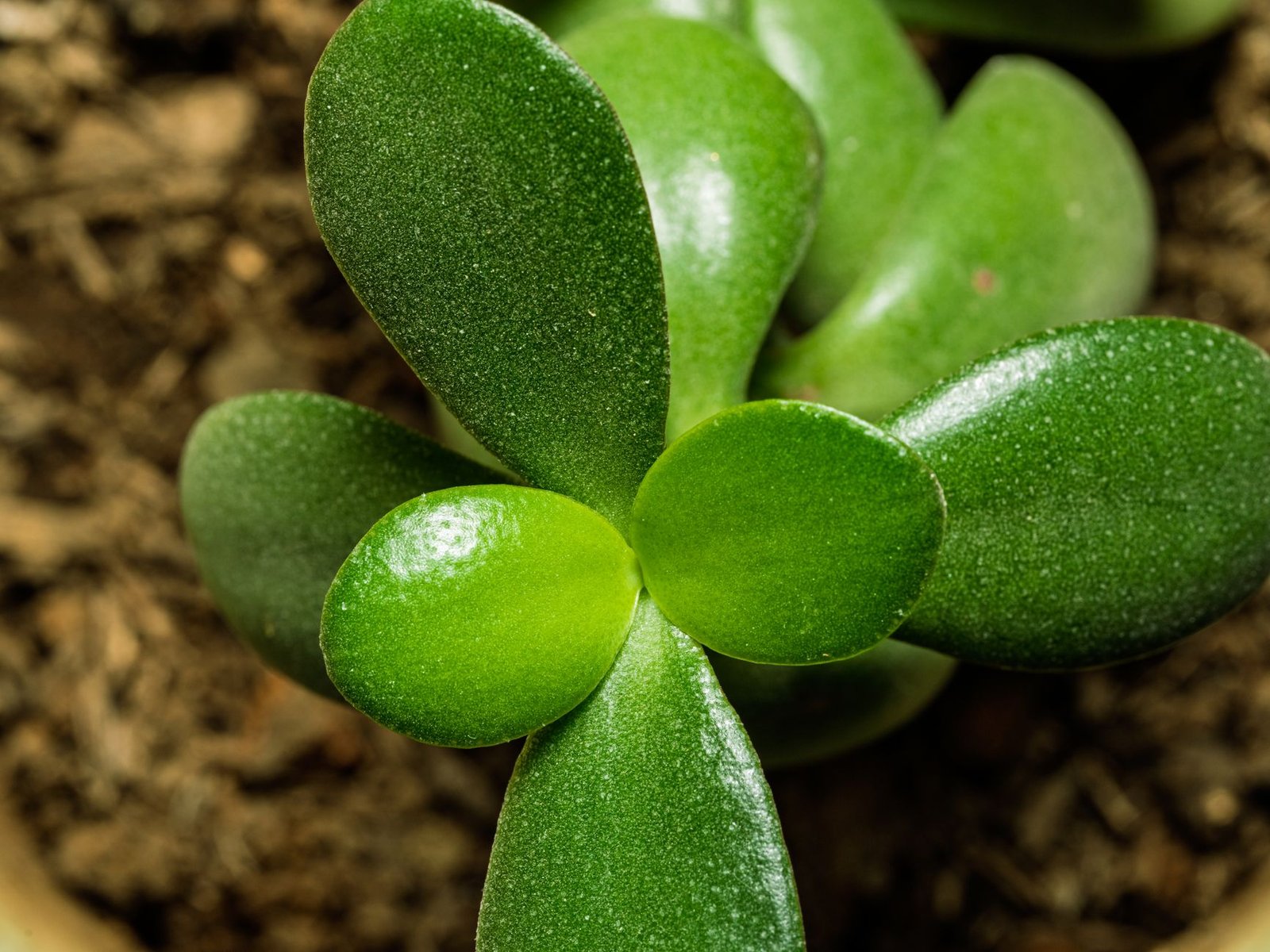

The jade plant (Crassula ovata), with its thick, glossy leaves and tree-like structure, is a popular succulent choice for indoor gardeners across the US. Often passed down through generations as a symbol of good luck and prosperity, these resilient plants can live for decades with proper care. However, the key to a thriving jade plant lies in understanding its specific needs, particularly when it comes to watering and sunlight. This guide will provide you with the expert knowledge you need to ensure your jade plant flourishes.
Understanding Jade Plant Basics
Jade plants are native to South Africa and Mozambique, where they experience dry, sunny conditions. This origin dictates their care requirements. Succulents like jade plants have adapted to store water in their leaves and stems, making them drought-tolerant. However, this also means they are susceptible to root rot if overwatered. Understanding this fundamental aspect of their biology is crucial for successful cultivation.
Jade plants are generally hardy in USDA zones 10-12, meaning they can be grown outdoors year-round in these warmer regions. However, they are widely grown as houseplants in cooler climates across the United States.
The Importance of Proper Watering Techniques
Watering is arguably the most critical aspect of jade plant care. Overwatering is the most common cause of death for these succulents. The key is to allow the soil to dry out completely between waterings. Think of their natural environment – long periods of dryness punctuated by infrequent rainfall.
The ‘Soak and Dry’ Method
The ‘soak and dry’ method is the recommended approach for watering jade plants. This involves thoroughly saturating the soil until water drains from the drainage holes, and then allowing the soil to completely dry out before watering again. This mimics their natural environment and prevents root rot.
- Water the jade plant thoroughly until water drains from the drainage holes.
- Allow the excess water to drain completely. Do not let the pot sit in standing water.
- Wait until the top inch or two of soil is completely dry before watering again. You can check this by sticking your finger into the soil or using a moisture meter.
- Repeat the process.
Factors Affecting Watering Frequency
Several factors influence how often you need to water your jade plant. These include:
- Season: Jade plants need less water in the fall and winter when they are dormant. Reduce watering frequency during these months.
- Pot Size: Plants in smaller pots dry out faster than those in larger pots.
- Pot Material: Terracotta pots are more porous than plastic pots and allow the soil to dry out more quickly.
- Humidity: In humid environments, the soil will dry out more slowly.
- Temperature: Higher temperatures will cause the soil to dry out faster.
- Light: Plants receiving more sunlight will transpire more and require more frequent watering.
A moisture meter, available at most garden centers like Home Depot or Lowe’s for around $10-$20, can be a helpful tool for gauging soil moisture levels, especially for beginners. It helps prevent both overwatering and underwatering.
Optimizing Sunlight Exposure for Healthy Growth
Jade plants thrive in bright, indirect sunlight. They need at least 4-6 hours of sunlight per day to maintain their vibrant color and compact growth habit. Insufficient light can lead to leggy growth, where the stems stretch out in search of light, resulting in a weakened and less attractive plant.
Ideal Sunlight Conditions
The ideal location for a jade plant is near a south-facing or west-facing window. These locations provide the most sunlight throughout the day. However, be careful to avoid direct sunlight during the hottest part of the day, especially in the summer months, as this can scorch the leaves. A sheer curtain can help diffuse the light if necessary.
If you don’t have access to a sunny window, you can supplement with artificial light. Grow lights, such as LED grow lights, can provide the necessary light for healthy growth. Look for full-spectrum LED grow lights designed for indoor plants. A simple clip-on grow light can be purchased online for around $20-$40.
Recognizing Signs of Insufficient Light
Several signs indicate that your jade plant is not getting enough light:
- Leggy Growth: Stems become elongated and stretched out.
- Pale Leaves: Leaves lose their vibrant green color and become pale or yellowish.
- Leaf Drop: Leaves may fall off prematurely.
- Lack of New Growth: The plant may stop growing altogether.
If you notice any of these signs, move your jade plant to a brighter location or supplement with artificial light.
Choosing the Right Soil and Pot
The right soil and pot are essential for healthy jade plant growth. Jade plants need well-draining soil to prevent root rot. A cactus or succulent potting mix is ideal. These mixes typically contain a blend of ingredients that promote drainage, such as perlite, sand, and pumice.
Avoid using regular potting soil, as it tends to retain too much moisture. If you want to amend regular potting soil, mix it with perlite and coarse sand in a 1:1:1 ratio.
A terracotta pot is the best choice for jade plants. Terracotta is porous and allows the soil to dry out more quickly. Make sure the pot has drainage holes to allow excess water to escape. The size of the pot should be proportional to the size of the plant. Repot your jade plant every 2-3 years, or when it becomes root-bound.
Popular soil brands available in the US include Miracle-Gro Cactus, Palm & Citrus Potting Mix and Hoffman Organic Cactus and Succulent Soil Mix, typically priced around $10-$15 per bag.
Fertilizing Your Jade Plant
Jade plants are not heavy feeders, but they benefit from occasional fertilization. Fertilize your jade plant during the growing season (spring and summer) with a balanced liquid fertilizer diluted to half strength. A 10-10-10 fertilizer is a good choice. Fertilize every 2-4 weeks during the growing season.
Avoid fertilizing your jade plant during the dormant season (fall and winter), as this can damage the plant. Look for fertilizers specifically formulated for succulents and cacti. Brands like Schultz and Miracle-Gro offer suitable options.
Jade Plant Care Summary
| Care Requirement | Ideal Conditions |
|---|---|
| Light | Bright, indirect sunlight (4-6 hours per day) |
| Water | Allow soil to dry completely between waterings; ‘soak and dry’ method |
| Humidity | Low to average humidity |
| Soil | Well-draining cactus or succulent potting mix |
| Temperature | 65-75°F (18-24°C) during the day; 50-55°F (10-13°C) at night |
Frequently Asked Questions (FAQ)
Why are the leaves on my jade plant falling off?
Leaf drop can be caused by several factors, including overwatering, underwatering, insufficient light, or sudden changes in temperature. Check the soil moisture to determine if you are watering correctly. Ensure your jade plant is receiving adequate light. Avoid placing your jade plant near drafts or heating vents.
How do I propagate a jade plant?
Jade plants are easily propagated from stem or leaf cuttings. Allow the cutting to callous over for a few days before planting it in well-draining soil. Keep the soil slightly moist until the cutting roots.
My jade plant has white spots on its leaves. What is it?
White spots on jade plant leaves can be caused by several things. It could be mineral deposits from hard water. Try using filtered water. It could also be mealybugs, a common pest. Treat with insecticidal soap.
Why is my jade plant turning red?
Reddish leaves on a jade plant can be a sign of stress, often caused by too much direct sunlight or cold temperatures. If the plant is otherwise healthy, the red color is not necessarily a cause for concern. Adjust its location if you suspect it’s getting too much sun or is too cold.
How often should I repot my jade plant?
Repot your jade plant every 2-3 years, or when it becomes root-bound. Choose a pot that is slightly larger than the previous one. Use fresh cactus or succulent potting mix.
By following these guidelines, you can provide your jade plant with the optimal conditions it needs to thrive and enjoy its beauty for many years to come. Remember to adjust your care routine based on your specific environment and observe your plant closely for any signs of distress. Happy growing!
Pro Tips for Advanced Jade Plant Care
Beyond the basics, truly mastering your jade plant involves a deeper understanding of its physiological responses and environmental nuances. Here are some insights from seasoned growers:
- Mastering the ‘Thirst Test’ Beyond the Finger: While a finger test is a good start, an advanced technique involves gauging the pot’s weight. A fully watered jade plant pot feels significantly heavier than one that is completely dry. Over time, you’ll develop an intuitive sense for when the pot is truly light, indicating the soil is dry deep down. Combine this with a visual check for slight leaf wrinkling (a sign of thirst) before watering heavily. This prevents overwatering in the lower root zone, a common cause of rot.
- Strategic Sun Stress for Enhanced Coloration: To achieve that coveted reddish tint on the edges of your jade plant’s leaves, strategically expose it to more direct sunlight. While full, intense afternoon sun can burn, 4-6 hours of direct morning sun, especially when combined with slightly cooler night temperatures, encourages this beautiful stress coloration. Introduce direct light gradually over several weeks to avoid shock, and ensure good air circulation to prevent overheating.
- Seasonal Dormancy & Watering Protocols: Jade plants, particularly in cooler climates or when kept indoors during winter, enter a period of semi-dormancy. During this time, their water requirements plummet dramatically. Reduce watering frequency significantly – sometimes to once every 3-4 weeks, or even longer, depending on ambient temperature and humidity. Overwatering during dormancy is a primary cause of root rot and plant demise. Always err on the side of underwatering in winter.
Frequently Asked Questions About Jade Plant Care
Get quick, expert answers to common challenges in jade plant cultivation.