
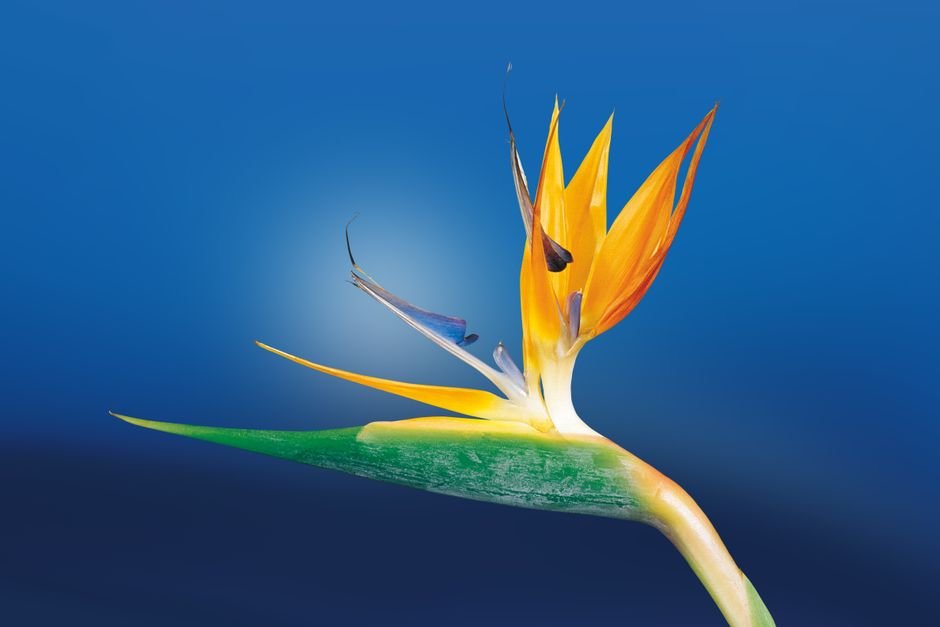

The majestic Bird of Paradise (Strelitzia reginae and Strelitzia nicolai) is a showstopper, famed for its vibrant, crane-like blossoms and architectural foliage. While native to South Africa, these stunning plants can thrive indoors across the United States, especially in warm climates where their tropical needs align with ambient conditions. This comprehensive Bird of Paradise indoor care guide for warm US climates will equip you with the horticultural insights needed to cultivate a flourishing Strelitzia, transforming your home into a verdant oasis.
Understanding Bird of Paradise Light Requirements for Optimal Growth
Light is paramount for a thriving Bird of Paradise. These plants crave bright, indirect light for at least 6 hours daily, mimicking their natural sun-drenched habitat. In warm US climates, a south-facing window is often ideal, but ensure the plant isn’t exposed to harsh, unfiltered afternoon sun, which can scorch leaves. East or west-facing windows can also work if they receive ample morning or late afternoon sun, respectively. Rotate your Strelitzia every few weeks to ensure even growth and prevent it from leaning towards the light source.
Selecting Supplemental Grow Lighting
If your indoor space lacks sufficient natural light, especially during shorter winter days or in shadier rooms, supplemental lighting is crucial. Full-spectrum LED grow lights are an excellent investment, providing the necessary wavelengths for photosynthesis. Position the grow light about 12-18 inches above your Bird of Paradise for 10-12 hours a day. Brands like Barrina or GE BR30 LED Grow Lights are popular choices among US plant enthusiasts, offering effective and energy-efficient solutions to keep your Strelitzia vibrant.
Precision Watering and Humidity Control for Strelitzia
Proper watering is key to preventing common Strelitzia issues. Water thoroughly when the top 2-3 inches of soil feel dry to the touch. Allow excess water to drain completely from the pot’s bottom; never let your Bird of Paradise sit in standing water, as this can lead to root rot. During the active growing season (spring and summer), watering may be more frequent, while in fall and winter, reduce frequency as growth slows. In warm, dry US climates, maintaining adequate humidity is also vital for healthy foliage and preventing crispy leaf edges.
The Value of a Soil Moisture Meter
For precise watering, especially for beginners or those prone to overwatering, a soil moisture meter is an invaluable tool. Devices like the XLUX T10 or Sonkir 3-in-1 Soil Tester can accurately measure moisture levels deep within the pot, taking the guesswork out of your watering routine. Aim for a reading of 3-4 (moist) before rewatering. To boost humidity, consider placing your plant on a pebble tray filled with water, or use a room humidifier, aiming for 60% relative humidity, particularly beneficial for Strelitzia nicolai.
Essential Soil, Nutrition, and Repotting Practices
Bird of Paradise plants thrive in a well-draining, rich, and slightly acidic potting mix. A good blend typically includes a base of high-quality potting soil mixed with perlite, orchid bark, or coco coir to enhance drainage and aeration. This prevents waterlogging while retaining enough moisture for the roots. When selecting a potting mix, look for options designed for tropical plants or aroids, or create your own with a ratio of 2 parts potting soil, 1 part perlite, and 1 part orchid bark. Repotting is generally needed every 2-3 years, or when the plant becomes root-bound.
Choosing the Right Fertilizer for Your Bird of Paradise
During the spring and summer growing season, fertilize your Strelitzia every 2-4 weeks with a balanced liquid fertilizer (e.g., 20-20-20 or 5-10-5 NPK ratio) diluted to half strength. Brands like Dyna-Gro GROW or Jack’s Classic All-Purpose are widely available and effective. Reduce or cease fertilization during fall and winter when the plant’s growth naturally slows. Adequate nutrition supports robust foliage and encourages the development of those iconic blooms.
Step-by-Step Repotting Guide:
- Prepare Your Pot: Choose a pot that is only 1-2 inches larger in diameter than the current one, ensuring it has drainage holes. Add a layer of fresh potting mix to the bottom.
- Remove the Plant: Gently tip the plant on its side and carefully ease it out of its current pot. Loosen any circling roots at the bottom.
- Position and Fill: Place the Bird of Paradise in the new pot, ensuring the top of the root ball is about 1 inch below the rim. Fill around the root ball with fresh potting mix, gently tamping it down to remove large air pockets.
- Water Thoroughly: Water the plant well after repotting until water drains from the bottom. This helps settle the soil.
- Post-Repotting Care: Place the repotted plant in a spot with bright, indirect light and avoid fertilizing for 4-6 weeks to allow it to recover from transplant shock.
Maintaining Ideal Temperatures and Environmental Conditions
Bird of Paradise plants thrive in consistent warmth, making them excellent candidates for indoor cultivation in warm US climates (USDA Zones 9-11 outdoors). Indoors, aim for daytime temperatures between 65-80°F (18-27°C) and nighttime temperatures no lower than 50-55°F (10-13°C). Avoid placing your Strelitzia near drafty windows, air conditioning vents, or heating elements, as sudden temperature fluctuations can stress the plant. Consistent environmental conditions are crucial for preventing leaf yellowing or stunted growth. If you live in a climate that experiences cooler winters, ensure your indoor heating system maintains these minimum temperatures.
Proactive Pest and Disease Management
While generally robust, Bird of Paradise plants can occasionally fall victim to common houseplant pests like spider mites, mealybugs, and scale insects. Regularly inspect your plant’s foliage, especially the undersides of leaves and along stems, for any signs of infestation. Early detection is key to effective treatment. If pests are found, isolate the plant and treat it with an insecticidal soap or neem oil spray. Repeated applications may be necessary. Ensuring proper airflow and humidity can also deter many pests. Fungal issues like root rot are almost always due to overwatering, so adhering to a careful watering schedule is your best defense.
| Care Aspect | Optimal Recommendation for Indoor Strelitzia |
|---|---|
| Light | Bright, indirect light (6+ hours); some direct morning sun is beneficial. |
| Water | Thoroughly when top 2-3 inches of soil are dry; ensure excellent drainage. |
| Humidity | Moderate to high (50-70%); use pebble trays or humidifiers in dry climates. |
| Soil | Well-draining, rich, slightly acidic mix (e.g., aroid blend). |
| Temperature | Day: 65-80°F (18-27°C); Night: 50-55°F (10-13°C) minimum. |
Frequently Asked Questions About Bird of Paradise Care
Why aren’t my Bird of Paradise plants blooming indoors?
Lack of blooms is often due to insufficient light, immature plant age (they typically bloom after 3-5 years), or inconsistent care. Ensure your plant receives ample bright, indirect light and a consistent feeding schedule during the growing season.
Is it normal for Bird of Paradise leaves to split?
Yes, leaf splitting is a natural characteristic of Strelitzia, especially S. reginae, allowing wind to pass through without tearing the large leaves in their natural habitat. Minor splitting is normal and not a sign of poor health.
How often should I fertilize my Bird of Paradise?
During the active growing season (spring and summer), fertilize every 2-4 weeks with a balanced liquid fertilizer diluted to half strength. Reduce or stop fertilizing in fall and winter.
Can I place my Bird of Paradise outdoors in warm US climates?
Absolutely! In USDA Zones 9-11, Bird of Paradise can thrive outdoors year-round. Gradually acclimate it to outdoor conditions by placing it in a shaded spot for a week before moving it to its permanent, brighter location.
What are the signs of an overwatered Bird of Paradise?
Signs of overwatering include yellowing leaves, soft or mushy stems, and a strong, unpleasant odor from the soil (indicating root rot). Always allow the top few inches of soil to dry out before watering again.