
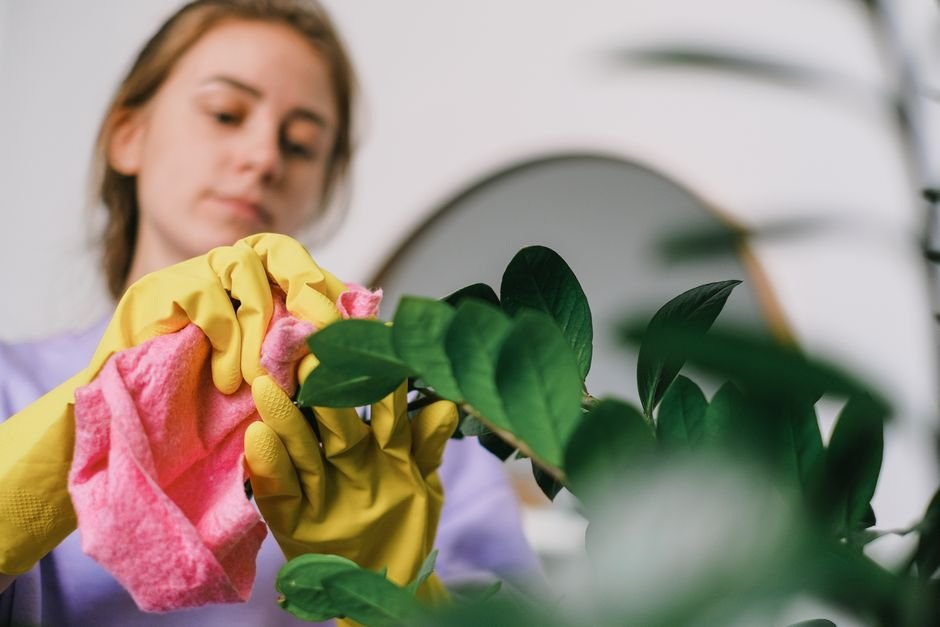

As the summer sun blazes across the United States, bringing longer days and higher temperatures, our beloved houseplants face a unique set of challenges. While many of us eagerly anticipate outdoor adventures, our indoor green companions require a bit more attention to thrive during these warmer months. PlantsMag.com is here to ensure your houseplants stay healthy in summer, drawing on expert insights to help you navigate the season.
The recent buzz from sources like PennLive.com highlighting essential summer houseplant care underscores a vital truth: summer isn’t just a time for outdoor gardens to flourish; it’s a critical period for indoor plants too. From the humid South to the arid Southwest, and everywhere in between, understanding your plant’s specific needs can make all the difference. Let’s dive into five expert tips that will keep your indoor jungle vibrant and thriving until autumn.
1. Watering Wisdom: Mastering the Summer Drench & Dry Cycle
Summer heat naturally increases evaporation from both soil and plant leaves, meaning your houseplants will likely need more frequent watering than during cooler months. However, ‘more frequent’ doesn’t mean ‘constantly wet.’ Overwatering remains a leading cause of houseplant demise, even in summer. The key is to check the soil moisture regularly. For most plants, allow the top inch or two of soil to dry out completely before watering thoroughly until water drains from the bottom of the pot.
This ‘drench and dry’ approach ensures roots get adequate hydration without sitting in stagnant water, which can lead to root rot. For thirsty plants like ferns or peace lilies, you might find yourself watering every few days. Succulents and cacti, however, will still prefer longer dry spells between waterings. Always use room-temperature water to avoid shocking the roots.
The Finger Test & Moisture Meters
The simplest way to gauge soil moisture is the ‘finger test’: stick your finger about two inches into the soil. If it feels dry, it’s time to water. For a more precise reading, especially with larger pots or plants with specific needs, a soil moisture meter can be an invaluable tool. Affordable options are available at local garden centers like Lowe’s or Home Depot, or online retailers. These meters can help prevent both underwatering and overwatering, giving you peace of mind.
“Summer watering isn’t just about volume; it’s about timing. Understand your plant’s signals and the soil’s condition. A moisture meter is like having a plant whisperer in your pocket.”
— Dr. Flora Green, Lead Horticulturist at PlantsMag.com
2. Humidity Habits: Battling Dry Air & Boosting Moisture
While outdoor humidity can soar in many US regions during summer, indoor environments, especially those with air conditioning running constantly, can become surprisingly dry. Many popular houseplants, particularly those originating from tropical rainforests (think Monsteras, Calatheas, and Philodendrons), thrive in high humidity. Low humidity can lead to crispy leaf edges, stunted growth, and increased susceptibility to pests.
There are several effective ways to boost indoor humidity. Grouping plants together creates a microclimate as they release moisture through transpiration. Placing plants on pebble trays filled with water (ensuring the pot doesn’t sit directly in the water) is another simple solution. For a more significant boost, consider a small room humidifier. Brands like LEVOIT or Pure Enrichment offer excellent cool-mist options that can benefit both your plants and your personal comfort.
3. Light Adjustments: Navigating Stronger Summer Sun
The summer sun is more intense than at any other time of year, and what might have been a perfect bright spot in winter could be a scorching inferno in July. Direct, unfiltered afternoon sun can quickly scorch the leaves of many houseplants, leaving unsightly brown or white patches. Observe your plants closely for signs of distress, such as fading color or crispy spots.
Move sensitive plants further away from south or west-facing windows, or diffuse the light with sheer curtains. Plants that naturally prefer lower light, like ZZ plants or Snake Plants, might need to be moved to a shadier spot. Conversely, if you have plants that thrive in bright, indirect light but your home is naturally darker, summer might be a good time to rotate them closer to windows for a short period, or supplement with an LED grow light. Modern, full-spectrum grow lights from brands like SANSI or GE are energy-efficient and can ensure consistent light levels for plants in dimmer corners.
Sunburn vs. Sun-Loving: Knowing Your Plants
It’s crucial to know your plant’s specific light requirements. Succulents and cacti generally love direct sun, but even they can get sunburnt if moved suddenly from a low-light indoor spot to intense outdoor sun without acclimatization. A Fiddle Leaf Fig, for example, appreciates bright, indirect light but will quickly suffer from direct, scorching rays. Always research your plant’s native habitat to understand its natural light preferences.
4. Nutrient Needs: Feeding for Active Summer Growth
Summer is typically the peak growing season for most houseplants. With increased light and warmth, plants are actively producing new leaves, stems, and sometimes even flowers. This period of vigorous growth means they’re using up more nutrients from their potting mix. Therefore, summer is an ideal time to fertilize.
A balanced liquid fertilizer, diluted to half or quarter strength, applied every 2-4 weeks, is usually sufficient. Look for organic options like Espoma Organic Indoor Plant Food or popular choices like Miracle-Gro Indoor Plant Food. Always fertilize on damp soil, never dry, to prevent root burn. Reduce or stop fertilizing as temperatures cool and growth naturally slows down in late summer or early fall. Remember, it’s always better to under-fertilize than over-fertilize.
5. Pest Patrol & Pruning: Staying Vigilant & Shaping for Health
Warmer temperatures and increased outdoor activity can unfortunately lead to an uptick in houseplant pests. Fungus gnats thrive in moist soil, while spider mites and mealybugs can quickly multiply in dry, warm conditions. Regularly inspect your plants – check the undersides of leaves, along stems, and in leaf axils – for any signs of unwanted visitors. Early detection is key to preventing infestations.
If you spot pests, isolate the affected plant immediately. Treat with insecticidal soap (e.g., Safer Brand Insect Killing Soap) or neem oil, following product instructions carefully. For fungus gnats, yellow sticky traps and allowing the topsoil to dry out more between waterings can be effective. Summer is also a great time for light pruning. Remove any yellowing, dead, or leggy growth to encourage bushier development and improve air circulation, which can deter fungal issues. Use clean, sharp pruning shears available at any major retailer.
Summer Care Quick Reference Guide
Here’s a quick guide to common houseplant types and their summer care considerations:
| Plant Type | Watering Frequency | Light Needs | Humidity Preference | Fertilization |
|---|---|---|---|---|
| Tropicals (Monstera, Pothos, Philodendron) | Moderate-High (top 1-2″ dry) | Bright, indirect | High | Every 2-4 weeks |
| Succulents & Cacti | Low (soil completely dry) | Bright, direct-indirect | Low | Every 4-6 weeks (diluted) |
| Ferns & Calatheas | High (consistently moist) | Medium-Low, indirect | Very High | Every 3-4 weeks (diluted) |
| Flowering Plants (Peace Lily, African Violet) | Moderate (top inch dry) | Bright, indirect | Medium-High | Every 2 weeks (bloom booster) |
Frequently Asked Questions About Summer Houseplant Care
Can I put my houseplants outside in summer?
Yes, many houseplants benefit from a summer vacation outdoors, but it requires careful acclimatization. Gradually introduce them to outdoor conditions over 1-2 weeks, starting in a shady spot and slowly moving them to their preferred light level. Protect them from harsh direct sun, strong winds, and heavy rain. Always check for pests before bringing them back inside in the fall.
How often should I fertilize my houseplants in summer?
During the active growing season of summer, most houseplants benefit from fertilization every 2-4 weeks with a balanced liquid fertilizer diluted to half or quarter strength. Always check your specific plant’s needs and reduce frequency if you notice any signs of nutrient burn.
Why are my plant leaves turning yellow in summer?
Yellowing leaves can indicate several issues. Overwatering (leading to root rot) is a common culprit, but underwatering can also cause it. Too much direct sun, nutrient deficiencies, or even just old age can also lead to yellowing. Assess your watering habits, light exposure, and consider if it’s time for a light feeding or a pest check.
What’s the best way to increase humidity for my plants indoors?
Several methods work well: grouping plants together, using pebble trays (ensure pots don’t sit in water), misting (though its effect is temporary), or investing in a small room humidifier. For plants like ferns and orchids, a humidifier provides the most consistent and effective humidity boost.