

Welcome, fellow plant enthusiasts, to the vibrant world of bromeliads! As a horticulturist at PlantsMag.com, I’m thrilled to share insights into one of the most rewarding and surprisingly low-maintenance plant families you can grow. Often perceived as exotic and challenging, the truth is that mastering bromeliad care is remarkably straightforward, offering a splash of tropical beauty to any indoor space with minimal effort. These stunning plants, native to the Americas, are celebrated for their striking foliage and long-lasting, colorful blooms, making them a fantastic choice for both novice and experienced plant parents alike.
Understanding Bromeliad Varieties and Their Natural Habitats
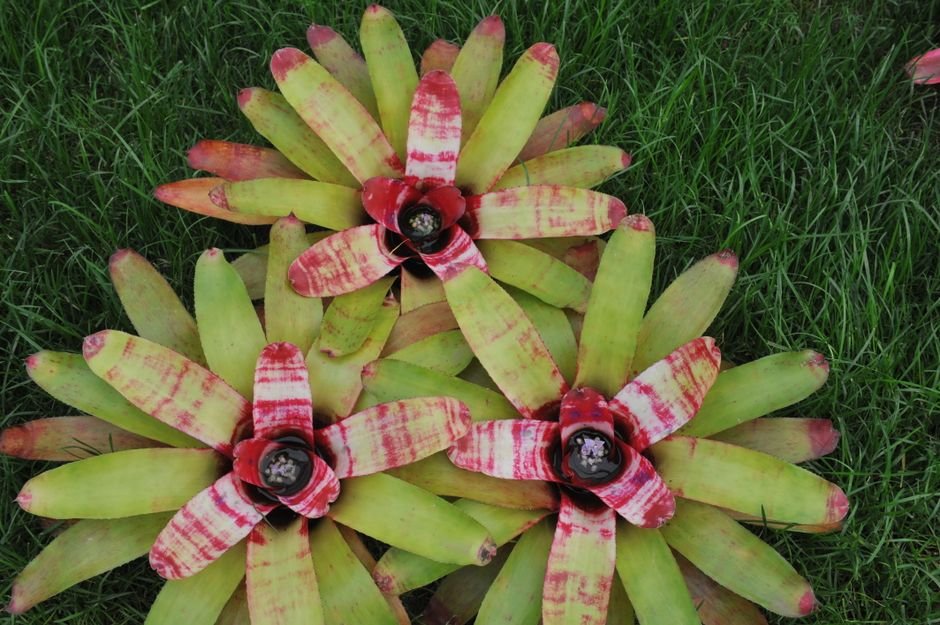
The bromeliad family (Bromeliaceae) is incredibly diverse, encompassing over 3,000 species. While they all share a common lineage, their care can vary slightly depending on their natural habitat. Most bromeliads you’ll encounter in garden centers are either epiphytic (growing on other plants, not as parasites, like many orchids) or terrestrial (growing in soil). Common genera include Guzmania, Vriesea, and Aechmea, known for their central “tanks” or “cups” that collect water, and Neoregelia, famous for its colorful foliage. Understanding their origins helps us mimic their preferred conditions indoors, ensuring they flourish.
Essential Light Requirements for Optimal Growth
Light is a critical factor in encouraging your bromeliad to produce its signature vibrant colors and blooms. Most bromeliads thrive in bright, indirect light. Think of the dappled sunlight they would receive under a tree canopy in their native tropical environments. A north or east-facing window is often ideal, providing ample brightness without harsh direct rays that can scorch leaves. If you have a south or west-facing window, consider placing your bromeliad a few feet back or using a sheer curtain to diffuse the light. Insufficient light can lead to dull foliage and a reluctance to bloom, while too much sun can cause leaves to fade or develop brown spots. For homes with limited natural light, supplemental grow lights, such as full-spectrum LED options from brands like Sansi or GE, can provide the necessary intensity to keep your bromeliad looking its best.
The Art of Watering Bromeliads: Cup, Soil, and Humidity
Watering bromeliads differs significantly from most houseplants due to their unique adaptations. It’s a balance of maintaining moisture in their central reservoir and providing adequate humidity. Overwatering is a common pitfall, so understanding their needs is key.
Watering the Central Cup (Tank Bromeliads)
Many popular bromeliads, often called “tank bromeliads,” have a central cup formed by their tightly overlapping leaves. This cup is designed to collect rainwater in their natural habitat. For these varieties (e.g., Guzmania, Vriesea, Aechmea), always keep this central cup filled with clean, fresh water. Use distilled water, rainwater, or tap water that has sat out overnight to allow chlorine to dissipate. Flush the cup every 1-2 weeks by emptying the old water and refilling it to prevent stagnation and the buildup of bacteria or salts. This regular flushing is vital for their health.
Soil Moisture and Humidity
While the cup is primary, the soil also needs attention, especially for terrestrial types or those with smaller cups. The potting mix should be kept lightly moist, but never soggy. Allow the top inch or two of soil to dry out before watering again. For epiphytic bromeliads, the soil is primarily for anchorage, so less frequent watering of the substrate is needed. A reliable moisture meter, like the XLUX T10 Soil Moisture Meter (available for around $10-15 USD online), can be a valuable tool to gauge soil dampness accurately. Bromeliads are tropical plants and appreciate high humidity. If your home’s air is dry, especially in winter, consider placing your plant on a pebble tray filled with water, grouping it with other plants, or using a room humidifier. Misting can offer a temporary boost but is less effective than consistent humidity solutions.
Substrate and Nutrition: The Foundation of Health
Choosing the right growing medium and providing minimal nutrition are crucial for bromeliad success. They are not heavy feeders and have specific soil requirements to prevent root rot.
For epiphytic bromeliads, a very well-draining, airy mix is essential. An orchid bark mix, often composed of fir bark, perlite, and charcoal, works perfectly. Terrestrial bromeliads can tolerate a slightly richer mix, but it must still drain exceptionally well. A good blend would be a quality potting mix, such as Espoma Organic Potting Mix or FoxFarm Ocean Forest, amended with extra perlite, coarse sand, or orchid bark to improve drainage. The goal is to mimic the loose, fast-draining debris they would encounter in their natural environment, preventing water from pooling around the roots.
Bromeliads are light feeders. Their primary nutrient absorption occurs through their leaves and central cup, not extensively through their roots. Fertilize sparingly, perhaps once or twice a year, during their active growing season (spring and summer). Use a balanced liquid fertilizer, diluted to ¼ or ½ strength. Apply it either by misting the foliage and filling the cup (for tank bromeliads) or by watering the soil. Brands like Dyna-Gro Grow 7-9-5 or Schultz Liquid Plant Food 10-15-10, diluted appropriately, are excellent choices. Avoid heavy fertilization, as it can burn the plant or lead to excessive leaf growth at the expense of blooming.
Temperature, Airflow, and Repotting
These tropical beauties thrive in consistent, warm temperatures and appreciate good air circulation, which helps prevent fungal issues.
Maintain indoor temperatures between 65-80°F (18-27°C) for most bromeliads. Avoid sudden temperature drops or cold drafts, which can stress the plant. Most bromeliads are not frost-tolerant, so bringing them indoors well before temperatures dip below 50°F (10°C) is essential for those kept outdoors during warmer months. Good airflow is also important; avoid placing them in stagnant corners. A gentle fan can help circulate air in larger rooms without directly blasting the plant.
Bromeliads rarely need repotting. They generally prefer to be somewhat root-bound. Repotting is usually only necessary when the mother plant has finished blooming and produced pups, or if the existing pot is clearly too small to support the growing root ball and pups. When you do repot, choose a pot only slightly larger than the previous one, ensuring it has drainage holes.
Propagating Bromeliads: Pups for a New Generation
One of the most exciting aspects of bromeliad care is propagating new plants from “pups” or offsets. After a bromeliad blooms, the mother plant will slowly decline, but not before producing these baby plants at its base. This is nature’s way of ensuring continuation.
- Wait for Maturity: Allow the pup to grow until it’s at least one-third to one-half the size of the mother plant. This usually means it has developed its own root system and is strong enough to survive independently.
- Prepare Tools: Use a clean, sharp knife or pruners. Sterilize them with rubbing alcohol to prevent disease transmission.
- Locate the Connection: Carefully remove the bromeliad from its pot. Identify where the pup connects to the mother plant.
- Separate the Pup: Make a clean cut, severing the pup from the mother plant. Try to get as much of the pup’s base and roots as possible.
- Potting the Pup: Plant the pup in a small pot (3-4 inches) filled with a well-draining bromeliad or orchid mix. Ensure the base of the pup is just at the soil line.
- Initial Care: Water lightly and place in a warm spot with bright, indirect light. Maintain humidity. The pup will eventually grow into a mature plant and produce its own bloom and subsequent pups.
Common Bromeliad Problems and Troubleshooting
Bromeliads are generally hardy, but like all plants, they can encounter issues. Most problems stem from improper watering or lighting.
- Brown Leaf Tips: Often a sign of low humidity or chemical burn from tap water. Use distilled or rainwater, and increase humidity.
- Fading Color/Lack of Bloom: Usually indicates insufficient light. Move to a brighter location or supplement with a grow light.
- Soft, Mushy Base or Rot: A clear sign of overwatering, especially if the central cup water is stagnant or the soil is constantly soggy. Flush the cup regularly and allow soil to dry out more between waterings.
- Spotting on Leaves: Can be sunburn from too much direct light or water spots if hard water is left to dry on foliage.
- Pests: Bromeliads are relatively pest-resistant. Mealybugs or scale can occasionally appear, especially in stressed plants. Treat with neem oil or insecticidal soap.
Bromeliad Care Requirements Summary
| Requirement | Ideal Conditions |
|---|---|
| Light | Bright, indirect light (North/East window or diffused South/West) |
| Water (Cup) | Keep central cup filled with clean water; flush every 1-2 weeks |
| Water (Soil) | Keep lightly moist, allow top 1-2 inches to dry; less for epiphytic types |
| Humidity | High (60%+); use pebble trays or humidifiers |
| Soil | Very well-draining, airy mix (orchid mix, perlite-amended potting mix) |
| Temperature | 65-80°F (18-27°C); avoid drafts and sudden drops |
| Fertilizer | Lightly, 1-2 times/year during growing season; diluted liquid fertilizer |
Frequently Asked Questions About Bromeliad Care
How often should I water my bromeliad?
For tank bromeliads, keep the central cup filled with fresh water, flushing and refilling every 1-2 weeks. Water the soil only when the top 1-2 inches feel dry, typically every 2-4 weeks, depending on your environment. For terrestrial types, water the soil more consistently but ensure excellent drainage.
Why are my bromeliad’s leaves turning brown?
Brown leaf tips usually indicate low humidity or the use of hard, chlorinated tap water. Increase ambient humidity with a pebble tray or humidifier, and use distilled or rainwater. If entire leaves are browning and mushy, it could be a sign of overwatering or rot, especially if the central cup is stagnant.
Do bromeliads need direct sunlight?
Most bromeliads prefer bright, indirect light. Direct sunlight, especially harsh afternoon sun, can scorch their leaves, causing them to fade or develop brown spots. A few varieties can tolerate more direct sun, but generally, diffused light is best for vibrant color and healthy growth.
How do I get my bromeliad to rebloom?
Unfortunately, individual bromeliad rosettes typically only bloom once. After flowering, the mother plant will slowly decline while producing “pups” or offsets. These pups will mature and bloom themselves in 1-3 years if cared for properly. You can encourage pups to bloom by ensuring they receive adequate light and warmth.
What kind of soil is best for bromeliads?
Bromeliads require a very well-draining, airy potting mix. For epiphytic types, an orchid bark mix is ideal. For terrestrial bromeliads, a high-quality potting mix amended with substantial amounts of perlite, coarse sand, or orchid bark to improve drainage is best. Avoid heavy, dense soils that retain too much moisture.
Are bromeliads pet-safe?
Yes, bromeliads are generally considered non-toxic to cats and dogs by the ASPCA, making them a safe choice for pet owners. However, ingesting large quantities of any plant material can sometimes cause mild digestive upset, so it’s always wise to monitor pets around new plants.
With their captivating forms and stunning colors, bromeliads offer an accessible entry point into the world of exotic houseplants. By following these straightforward guidelines for light, water, and substrate, you’ll find that cultivating these tropical beauties is far from a fuss. Embrace the vibrant charm of bromeliads and enjoy the long-lasting exotic flair they bring to your home!