
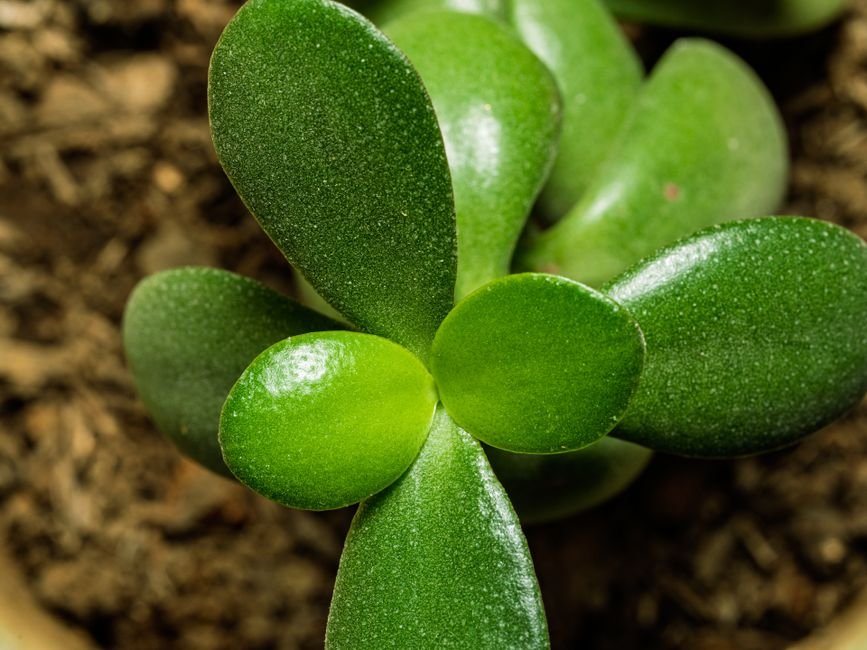

Welcome, fellow plant enthusiasts! As a horticulturist and long-time admirer of succulents, I’m excited to share an in-depth Jade Plant Care Guide designed to help your Crassula ovata flourish. These resilient, elegant plants, often called ‘money trees’ or ‘friendship trees,’ are a fantastic addition to any home, known for their thick, fleshy leaves and tree-like structure. While generally low-maintenance, understanding their specific needs, particularly regarding watering and sunlight, is crucial for their long-term health and vibrant growth. Let’s dive into the science and art of caring for these beautiful succulents.
Understanding Jade Plant Watering Needs
Watering is arguably the most critical aspect of jade plant care, and often where new owners go wrong. Jade plants, like all succulents, store water in their leaves, stems, and roots, making them highly drought-tolerant. Overwatering is the quickest way to send your jade plant to an early grave, leading to root rot and fungal issues. The key is to mimic their natural arid environment: provide a thorough drink, then allow the soil to dry out completely before watering again. This ‘soak and dry’ method prevents the roots from sitting in soggy soil, which suffocates them and encourages harmful bacteria and fungi.
The ‘Soak and Dry’ Method Explained
Mastering the ‘soak and dry’ method is simple but requires patience. The frequency will vary based on factors like pot size, soil type, temperature, and humidity. Here’s how to do it effectively:
- Check the Soil: Before watering, always check the soil moisture. Stick your finger about 2-3 inches deep into the soil. If it feels damp, wait.
- Observe the Plant: Look for subtle cues from your jade. Slightly wrinkled or soft leaves can indicate thirst, while plump, firm leaves mean it’s well-hydrated.
- Water Thoroughly: When the soil is dry and the plant shows signs of thirst, water generously. Pour water until it drains out of the pot’s drainage holes.
- Discard Excess Water: Ensure no standing water remains in the saucer beneath the pot. This is vital to prevent root rot.
- Wait Before Re-watering: Allow the soil to dry out completely again, typically taking 2-4 weeks during warmer months and even longer in winter.
Tools for Precision Watering
For those who prefer a more scientific approach, a good soil moisture meter can be an invaluable tool. Products like the Dr. Meter 3-in-1 Soil Tester, available for around $12-$15 on Amazon or at your local garden center, can accurately read moisture levels, pH, and light intensity, taking the guesswork out of watering. Simply insert the probe into the soil and get an instant reading, helping you avoid both over and under-watering.
Optimal Sunlight for Thriving Jade Plants
Jade plants adore bright light. In their native South African habitat, they bask in full sun for much of the day. Indoors, replicating this environment is crucial for compact growth, vibrant leaf color, and even potential blooming. They require at least 4-6 hours of direct sunlight daily. An east-facing window can provide good morning sun, while a south or west-facing window (with some protection from intense afternoon sun in hot climates) can be ideal.
Insufficient light often leads to ‘legginess,’ where the stems stretch out, and the leaves become sparse and pale. Conversely, too much intense, direct afternoon sun can scorch their leaves, turning them red or brown. If your indoor space lacks natural bright light, consider supplementing with a grow light. LED grow lights, like those from GE or Barrina, are energy-efficient and effective, costing anywhere from $20-$50 for a basic setup. Position them about 12-18 inches above your plant for 10-14 hours a day to mimic natural sunlight.
The Right Potting Mix and Drainage
The success of your jade plant also heavily relies on its potting medium. A well-draining soil mix is non-negotiable. Standard potting soil retains too much moisture and will quickly lead to root rot. Instead, opt for a specialized succulent or cactus mix. Brands like Espoma Organic Cactus Mix or Black Gold Cactus Mix are excellent choices, typically costing $8-$15 for a 4-8 quart bag at most garden stores like Lowe’s or Home Depot.
If you can’t find a dedicated succulent mix, you can easily create your own by amending regular potting soil. Mix two parts regular potting soil with one part perlite and one part coarse sand or pumice. This combination ensures proper aeration and drainage. Always use a pot with a drainage hole; terracotta pots are particularly beneficial as their porous nature helps wick away excess moisture.
Temperature and Humidity Considerations
Jade plants thrive in typical household temperatures, ideally between 65-75°F (18-24°C) during the day and slightly cooler at night. They can tolerate temperatures down to 50°F (10°C) but should be protected from frost, as they are not cold-hardy. If you live in USDA Hardiness Zones 9-11, you might be able to grow jade plants outdoors year-round, but bring them inside if temperatures are expected to drop below freezing.
As desert succulents, jade plants prefer low humidity. Average indoor humidity levels are usually perfectly fine. High humidity, especially when combined with overwatering, can create an environment ripe for fungal diseases. Avoid misting your jade plant, as this can lead to leaf spot diseases and doesn’t benefit the plant in any meaningful way.
Nourishing and Shaping Your Jade Plant
While not heavy feeders, jade plants benefit from occasional fertilization during their active growing season (spring and summer). Use a balanced, water-soluble fertilizer diluted to half strength, or a specialized succulent fertilizer. Brands like Schultz Cactus Plus or FoxFarm Liquid Plant Food are good options, often available for $5-$10. Fertilize once every 2-4 weeks during growth periods and cease entirely in fall and winter when the plant is dormant.
Pruning is also an important aspect of jade plant care, not just for aesthetics but for encouraging bushier growth and maintaining a healthy structure. You can prune to shape your plant, remove leggy stems, or propagate new plants from cuttings. Always use clean, sharp shears to make precise cuts just above a leaf node or branch junction.
Jade Plant Care at a Glance
| Requirement | Ideal Conditions |
|---|---|
| Light | Bright, direct sunlight (4-6 hours daily); South/West window preferred or grow light supplement. |
| Water | ‘Soak and Dry’ method; water thoroughly when soil is completely dry. |
| Humidity | Low to average household humidity (30-50%). Avoid misting. |
| Soil | Well-draining succulent/cactus mix; amend with perlite/sand for aeration. |
| Temperature | 65-75°F (18-24°C) day; 50-55°F (10-13°C) night. Protect from frost. |
Frequently Asked Questions About Jade Plant Care
Why are my jade plant’s leaves turning yellow and falling off?
Yellowing and dropping leaves are often a sign of overwatering. Check the soil moisture and ensure you’re letting it dry out completely between waterings. It can also be a sign of insufficient light, so ensure your plant is getting enough bright, direct sun.
My jade plant is leggy and stretched out. What should I do?
Leggy growth, characterized by long, sparse stems and widely spaced leaves, is a classic sign of insufficient light. Move your jade plant to a brighter location or supplement with a grow light. You can also prune back the leggy stems to encourage bushier growth; the cuttings can often be propagated!
How often should I repot my jade plant?
Jade plants are slow growers and don’t mind being a little root-bound. Repotting every 2-3 years, or when you notice roots emerging from the drainage holes or the plant becoming top-heavy, is usually sufficient. Always choose a pot only slightly larger than the previous one and use fresh, well-draining succulent soil.
Can jade plants flower indoors?
Yes, mature jade plants (typically 5-10 years old or more) can flower indoors, especially if they experience cooler, dry conditions in winter and receive ample bright light. The flowers are usually small, star-shaped, and white or pink, appearing in late winter to early spring. It’s a sign of a very happy, well-cared-for plant!
Are jade plants toxic to pets?
Unfortunately, yes. Jade plants (Crassula ovata) are toxic to cats and dogs if ingested. They can cause symptoms like vomiting, lethargy, and incoordination. It’s best to keep them out of reach of curious pets, perhaps by placing them on high shelves or in rooms inaccessible to animals.
Caring for a jade plant is a rewarding experience that offers a touch of enduring beauty to your indoor space. By paying close attention to their watering and sunlight needs, providing the right soil, and maintaining suitable environmental conditions, you’ll ensure your jade plant thrives for many years to come. Happy planting!