
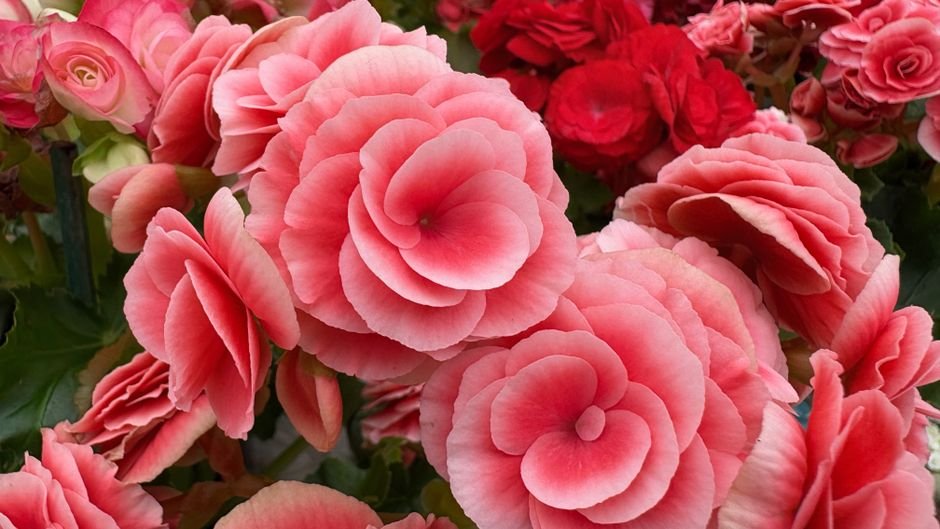

As a senior horticulturist, I’ve witnessed the enduring fascination American plant collectors have with the stunning Begonia rex-cultorum, commonly known as Begonia Rex. These captivating houseplants, celebrated for their kaleidoscopic foliage rather than their flowers, bring an unparalleled splash of color and texture to any indoor space. Their intricate patterns, metallic sheens, and vibrant hues ranging from deep burgundy to silver, green, and pink, make them living works of art. However, mastering Begonia Rex care can sometimes feel like a delicate dance. This comprehensive guide will equip US plant enthusiasts with the knowledge to cultivate thriving, spectacularly colorful Begonia Rex specimens.
Illuminating Your Rex Begonia: The Art of Light Placement
The secret to vibrant Begonia Rex foliage lies in providing optimal light. These plants thrive in bright, indirect light. Think of a north or east-facing window, where they receive ample brightness without harsh, direct sun exposure that can scorch their delicate leaves. A sheer curtain can also diffuse intense light from a south or west-facing window. Insufficient light, on the other hand, can lead to leggy growth, diminished leaf coloration, and a general lack of vigor. Observe your plant; if the colors appear dull or the patterns are less defined, it might be craving more light. Conversely, crispy brown edges suggest too much direct sun.
Supplemental Lighting Solutions
For those living in regions with shorter daylight hours, or if ideal natural light is scarce, supplemental lighting can be a game-changer. Full-spectrum LED grow lights, readily available from retailers like Amazon for around $30-$60, are an excellent investment. Position them 12-18 inches above your Begonia Rex for 10-12 hours daily to mimic natural conditions, ensuring your plant maintains its stunning coloration and robust growth year-round.
Watering Wisdom for Begonia Rex: Avoiding Common Pitfalls
Proper watering is perhaps the most critical aspect of successful Begonia Rex care, balancing between consistently moist soil and preventing root rot. These plants prefer their soil to be evenly moist but never soggy. A good rule of thumb is to allow the top 1-2 inches of soil to dry out before watering again. When you do water, do so thoroughly until water drains from the bottom of the pot. Ensure the pot has drainage holes to prevent waterlogging, which is a leading cause of Begonia demise.
The Role of Moisture Meters
For precision, especially for new plant parents, a simple soil moisture meter (like the XLUX T10, typically $12-$15) can be incredibly helpful. Insert the probe into the soil to gauge moisture levels accurately, taking the guesswork out of watering. This tool helps prevent both over and under-watering, ensuring your Begonia Rex receives just the right amount of hydration.
Cultivating Ideal Climates: Humidity and Temperature Essentials
Originating from tropical and subtropical regions, Begonia Rex varieties are true humidity lovers. They thrive in environments with 60% relative humidity or higher. In typical American homes, especially during winter months with forced-air heating, humidity levels often plummet, leading to crispy leaf edges and stunted growth. To combat this, consider placing your plant on a pebble tray filled with water (ensuring the pot doesn’t sit directly in the water). A dedicated humidifier, such as a LEVOIT model (ranging $40-$70), placed near your Begonia collection, is an even more effective solution.
Temperature-wise, Begonia Rex prefers consistent warmth. Maintain indoor temperatures between 60-75°F (15-24°C). Avoid sudden temperature fluctuations and cold drafts, which can stress the plant and lead to leaf drop. They are generally grown as houseplants in most US hardiness zones, though they can be moved outdoors to a shaded spot in USDA Zones 10-11 during summer.
Substrate and Sustenance: Soil and Fertilization Strategies
The right potting mix is fundamental for Begonia Rex health. They require a well-draining, airy, and slightly acidic substrate that retains some moisture without becoming waterlogged. A good blend typically includes peat moss or coco coir for moisture retention, perlite or coarse sand for drainage, and a touch of vermiculite for aeration. Many commercial indoor potting mixes, like FoxFarm Ocean Forest or a similar high-quality blend, can be amended with extra perlite to achieve the ideal texture. Aim for a mix that feels light and fluffy.
During the active growing season (spring and summer), feed your Begonia Rex with a balanced, liquid houseplant fertilizer. A formula like Dyna-Gro Foliage-Pro 9-3-6, diluted to half strength, applied every 2-4 weeks, provides essential nutrients for lush foliage development. Reduce or cease fertilization during the cooler, darker fall and winter months when the plant’s growth naturally slows down.
Propagating and Problem-Solving: Expanding Your Collection
One of the joys of Begonia Rex ownership is their relatively easy propagation, allowing you to multiply your collection or share with fellow enthusiasts. Leaf cuttings are the most common and successful method.
- Select a Healthy Leaf: Choose a mature, unblemished leaf from your plant.
- Prepare the Leaf: Using a clean, sharp knife or razor blade, cut the leaf from the plant, leaving about an inch of petiole (leaf stem).
- Make Incisions: Turn the leaf over and make several cuts across the main veins on the underside of the leaf. Alternatively, you can cut the leaf into pie-shaped wedges, ensuring each wedge has a portion of a main vein.
- Plant the Cuttings: Lay the entire leaf (top side up) or the leaf wedges onto a shallow tray filled with moist, sterile rooting medium (like perlite or a peat/perlite mix). Gently press down to ensure good contact.
- Create a Humid Environment: Cover the tray with a clear plastic dome or plastic wrap to create a mini-greenhouse effect, maintaining high humidity.
- Provide Warmth and Light: Place the tray in a warm spot with bright, indirect light. New plantlets should emerge from the cut veins in 4-8 weeks.
- Transplant: Once plantlets are a few inches tall and have developed a small root system, carefully separate and pot them into small containers with appropriate Begonia Rex soil mix.
Common issues include spider mites (look for fine webbing and tiny dots on leaves) and powdery mildew (white, powdery patches). Treat mites with insecticidal soap or neem oil. Good air circulation and avoiding overhead watering help prevent powdery mildew.
Begonia Rex Care Requirements At-A-Glance
| Care Aspect | Requirement |
|---|---|
| Light | Bright, indirect light (north/east window, diffused south/west) |
| Water | Keep soil consistently moist; allow top 1-2 inches to dry. Avoid soggy conditions. |
| Humidity | High (60%+ preferred). Use pebble trays or humidifiers. |
| Soil | Well-draining, airy, slightly acidic mix (peat/coco coir, perlite, vermiculite). |
| Temperature | 60-75°F (15-24°C). Avoid drafts and sudden changes. |
Frequently Asked Questions About Begonia Rex Care
Why are my Begonia Rex leaves turning brown and crispy?
This is often a sign of insufficient humidity or too much direct sunlight. Increase ambient humidity around the plant using a humidifier or pebble tray, and move it to a location with brighter, but indirect, light.
My Begonia Rex leaves are dropping. What’s wrong?
Leaf drop can indicate several issues: overwatering (leading to root rot), under-watering (soil too dry for too long), sudden temperature changes, or cold drafts. Check your watering routine and ensure the plant is in a stable, warm environment.
Do Begonia Rex plants flower, and how do I encourage it?
Begonia Rex plants do produce small, often insignificant flowers. Most collectors grow them purely for their spectacular foliage. While good care can encourage flowering, it’s generally not the primary goal, and some growers even pinch off flower buds to redirect energy into leaf production.
Is Begonia Rex toxic to pets?
Yes, all parts of the Begonia plant are considered toxic to pets, particularly the tubers. Ingestion can cause oral irritation, vomiting, and difficulty swallowing. It’s best to keep Begonia Rex out of reach of curious cats and dogs.
My Begonia Rex seems to be going dormant in winter. Is this normal?
Some Begonia Rex varieties can exhibit a semi-dormant period in winter, especially if light levels are low and temperatures are cooler. Growth may slow significantly, and some leaves might drop. Reduce watering and cease fertilization during this time, resuming normal care in spring as new growth appears.
With their breathtaking array of patterns and colors, Begonia Rex varieties truly stand out in any indoor garden. By following these expert guidelines on light, water, humidity, soil, and propagation, you’ll be well on your way to cultivating a thriving collection of these magnificent foliage plants, adding unparalleled beauty to your American home.