

As a senior horticulturist, I’ve seen countless plant trends come and go, but few houseplants hold the enduring appeal and versatility of Pothos. Scientifically known as Epipremnum aureum, and sometimes referred to as ‘devil’s ivy’ due to its resilience, this genus offers a dazzling array of Pothos varieties, each with its own unique charm. From lush green to heavily variegated patterns, these plants are a cornerstone for both novice and seasoned plant enthusiasts across the United States.
Pothos plants are celebrated for their ease of care, air-purifying qualities, and stunning trailing foliage, making them perfect for hanging baskets, shelves, or climbing poles. Understanding the different types of Pothos and their subtle care nuances can elevate your indoor garden. Let’s delve into the fascinating world of Pothos varieties you can easily grow right here in the US.
Golden Pothos: The Enduring Classic
The Golden Pothos is arguably the most recognizable and widely available variety, and for good reason. Its heart-shaped, glossy green leaves are splashed with streaks of golden yellow, hence its name. This vibrant variegation becomes more pronounced with brighter indirect light. Tolerant of a wide range of conditions, from low to bright indirect light, it’s an excellent choice for beginners. Its vigorous growth means it can quickly produce long, cascading vines, perfect for adding a touch of jungle elegance to any room. You’ll find Golden Pothos readily available at most garden centers and big box stores, often for as little as $5-$15 for a starter plant.
Marble Queen Pothos: Variegated Royalty
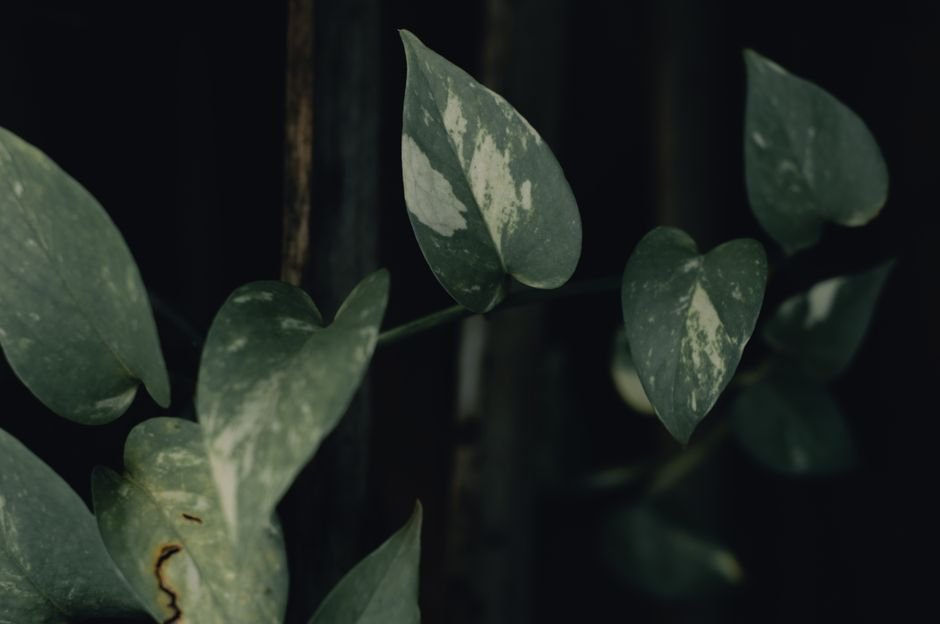
Stepping up the variegation game, the Marble Queen Pothos boasts striking creamy-white and green marbling across its leaves. The white sections are typically more pronounced than the yellow on a Golden Pothos, giving it a more dramatic, almost painted appearance. To maintain its stunning coloration, Marble Queen prefers brighter indirect light; too little light can cause the white sections to revert to green. While still incredibly resilient, it tends to grow a bit slower than its Golden cousin. Keep a soil moisture meter handy to ensure you’re watering correctly, as consistently wet soil can be detrimental.
Neon Pothos: A Vibrant Statement
If you’re looking for a pop of color, the Neon Pothos is your plant. Its leaves are a brilliant, almost electric lime green, with little to no variegation. This uniform, bright hue makes it stand out dramatically against other green foliage. The intensity of the ‘neon’ color is best preserved in medium to bright indirect light; in lower light, the color may deepen to a more subdued chartreuse. Like other Pothos, it appreciates well-draining soil and allows the top inch or two to dry out between waterings. Consider a balanced liquid fertilizer like Dyna-Gro All-Pro 7-9-5 during the growing season to encourage lush growth.
Jessenia Pothos & N’Joy Pothos: Subtle Elegance
These two varieties offer a more refined, understated variegation. Jessenia Pothos features olive-green leaves with subtle, lighter green to yellow-green streaks, often described as a muted version of Marble Queen. The variegation tends to be less blocky and more marbled. N’Joy Pothos, on the other hand, presents distinctly delineated patches of creamy white against dark green, often with sharper, more defined edges than Marble Queen. Both are slower growers and prefer brighter indirect light to keep their variegation vibrant.
Distinguishing Jessenia from N’Joy
While both are compact and beautifully variegated, Jessenia’s variegation blends more subtly into the green, appearing almost like brushstrokes. N’Joy’s white patches are crisper, often creating a stark contrast with the green, and the white typically covers a larger area of the leaf, sometimes even bordering the leaf edge. N’Joy also tends to have smaller leaves overall. When purchasing, examine the leaf patterns closely for these key differences. Look for them at specialty nurseries, typically ranging from $15-$30 for a 4-6 inch pot.
Manjula Pothos & Pearls and Jade Pothos: Broad-Leafed Beauties
These two are often confused but offer distinct characteristics. Manjula Pothos is known for its broad, somewhat wavy leaves, featuring a stunning mix of creamy white, silver-gray, and green variegation. The white patches often have a painted, almost splotchy appearance, and no two leaves are exactly alike. Pearls and Jade Pothos, a patented variety, has smaller, more compact leaves with shades of green, white, and silver-gray. Its variegation typically appears as speckles or blotches along the margins and center of the leaf, often with small flecks of green within the white areas.
Identifying Manjula vs. Pearls and Jade
The primary distinction lies in leaf size and variegation pattern. Manjula leaves are noticeably wider and often heart-shaped, with more expansive, irregular white and cream patches. Pearls and Jade has narrower leaves, and its white/silver variegation is usually more speckled and concentrated along the edges, often with green flecks embedded within the white areas. Both thrive in bright, indirect light and benefit from a well-draining aroid mix, such as Espoma Organic Potting Mix, to prevent root rot.
Cebu Blue Pothos: The Unique Trailblazer
A true standout, the Cebu Blue Pothos (Epipremnum pinnatum) is actually a different species than the other Epipremnum aureum varieties listed. Its elongated, silvery-blue-green leaves develop subtle fenestrations (splits or holes) as they mature and climb, mimicking its jungle habitat. This unique trait makes it highly sought after by collectors. Cebu Blue prefers brighter indirect light to maintain its striking blue hue and encourages mature leaf development. It’s a faster grower than many variegated Pothos and can be a magnificent climbing plant with a moss pole. Ensure it receives adequate humidity, especially if you live in an arid climate, by using a pebble tray or a humidifier.
General Pothos Care Requirements Comparison
While each variety has its quirks, general Pothos care is remarkably consistent. Here’s a quick comparison:
| Variety | Light | Water | Humidity | Soil | Temperature |
|---|---|---|---|---|---|
| Golden | Low to Bright Indirect | Dry 1-2″ topsoil | Average (40-60%) | Well-draining mix | 65-80°F (18-27°C) |
| Marble Queen | Medium to Bright Indirect | Dry 1-2″ topsoil | Average (40-60%) | Well-draining mix | 65-80°F (18-27°C) |
| Neon | Medium to Bright Indirect | Dry 1-2″ topsoil | Average (40-60%) | Well-draining mix | 65-80°F (18-27°C) |
| Jessenia / N’Joy | Medium to Bright Indirect | Dry 1-2″ topsoil | Average (40-60%) | Well-draining mix | 65-80°F (18-27°C) |
| Manjula / Pearls & Jade | Medium to Bright Indirect | Dry 1-2″ topsoil | Average (40-60%) | Well-draining mix | 65-80°F (18-27°C) |
| Cebu Blue | Medium to Bright Indirect | Dry 1-2″ topsoil | Higher (50-70%) | Well-draining mix | 65-80°F (18-27°C) |
Pothos Propagation Made Easy
One of the most rewarding aspects of Pothos ownership is how incredibly easy they are to propagate. You can quickly multiply your collection or share these beautiful plants with friends. Here’s a simple step-by-step guide:
- Select a Healthy Stem: Choose a healthy vine with at least 3-4 leaves. Avoid stems that look weak or diseased.
- Make the Cut: Using clean, sharp scissors or pruners, cut a section of the stem about 4-6 inches long. Ensure each cutting has at least one ‘node’ (a small bump on the stem where a leaf or aerial root emerges) and a few leaves. Cut just below a node.
- Remove Lower Leaves: Gently remove any leaves that would be submerged in water to prevent rot.
- Place in Water: Put the cuttings in a clear glass or jar filled with clean water. Ensure at least one node is submerged.
- Provide Bright, Indirect Light: Place the jar in a spot with bright, indirect light.
- Change Water Regularly: Change the water every few days to keep it fresh and prevent bacterial growth.
- Watch for Roots: Roots should begin to form within a few weeks. Once they are about 1-2 inches long, your cuttings are ready for potting.
- Pot Up: Plant the rooted cuttings in a small pot with a good quality, well-draining potting mix (e.g., Foxfarm Ocean Forest Potting Soil) and water thoroughly.
Frequently Asked Questions About Pothos
What’s the main difference between Pothos and Philodendron?
While often confused due to their similar appearance and care, Pothos (Epipremnum aureum) and Heartleaf Philodendron (Philodendron hederaceum) are distinct. The easiest way to tell them apart is by their leaves and stems. Pothos leaves are thicker, often waxy, and have a groove in their petioles (leaf stems). Philodendron leaves are generally thinner, softer, and their petioles are round. Also, new Pothos leaves emerge rolled, while new Philodendron leaves emerge encased in a cataphyl (a papery sheath) that eventually dries and falls off.
Is Pothos toxic to pets?
Yes, Pothos plants contain calcium oxalates, which are toxic if ingested by pets (and humans). While not usually fatal, chewing on Pothos can cause oral irritation, burning, swelling of the mouth, vomiting, and difficulty swallowing. It’s best to keep Pothos out of reach of curious pets or choose pet-safe alternatives if you have animals prone to nibbling plants.
How often should I fertilize my Pothos?
During the active growing season (spring and summer), fertilize your Pothos about once a month with a balanced, water-soluble houseplant fertilizer diluted to half strength. Reduce or stop fertilizing entirely during the fall and winter months when the plant’s growth naturally slows down. Over-fertilizing can lead to nutrient burn, so always err on the side of caution.
Why are my Pothos leaves turning yellow or brown?
Yellowing leaves are often a sign of overwatering, especially if accompanied by soft, mushy stems. Ensure your pot has good drainage and let the topsoil dry out between waterings. Brown, crispy leaves usually indicate underwatering or low humidity. Check the soil moisture, and if it’s bone dry, give it a good soak. For low humidity, consider a humidifier or pebble tray. Brown leaf tips can also signal too much direct sun or mineral buildup from tap water.
Can Pothos grow outdoors in the US?
Pothos can thrive outdoors in USDA Hardiness Zones 10-12, where temperatures rarely dip below 50°F (10°C). In these warm, humid climates (like parts of Florida, Hawaii, and Southern California), Pothos can grow vigorously, often climbing trees and developing much larger, sometimes fenestrated, leaves. In cooler zones, it’s best grown as an indoor plant or brought inside before temperatures drop in the fall.
Whether you’re drawn to the classic charm of a Golden Pothos or the unique allure of a Cebu Blue, there’s a Pothos variety perfect for every plant lover and every space. Their adaptability, striking foliage, and relatively low maintenance make them an undeniable favorite. Happy growing!