
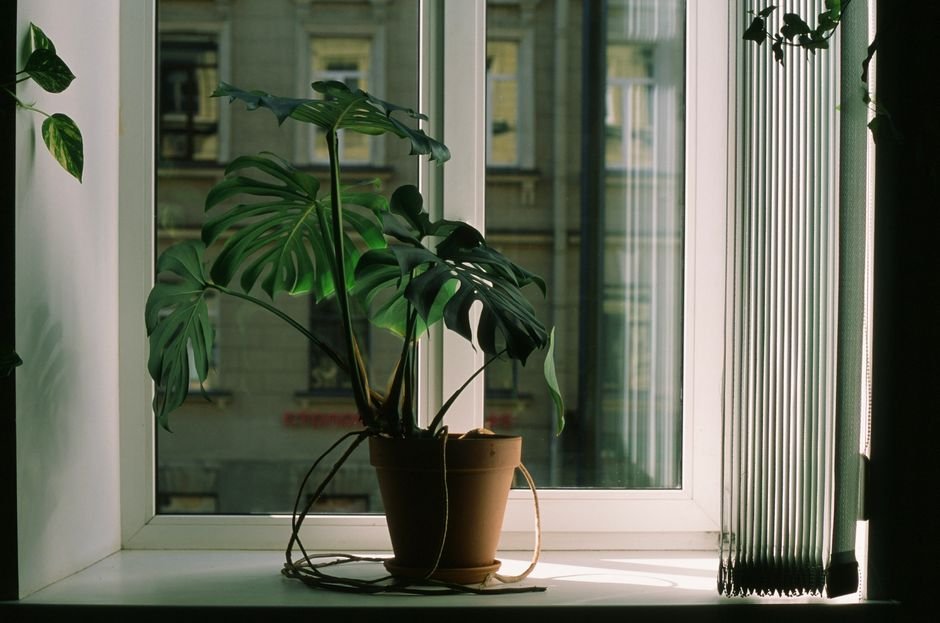

As a devoted plant parent, you’ve mastered watering, light, and humidity. But to truly unlock your plants’ potential for lush foliage and vibrant blooms, understanding how to fertilize houseplants is paramount. Think of fertilizer as a multivitamin for your leafy companions; while potting soil provides some initial nutrients, these are quickly depleted, especially in potted environments. A well-planned fertilization regimen can transform a struggling plant into a thriving specimen, boosting growth, enhancing color, and improving overall resilience. Let’s delve into the science and art of feeding your indoor garden.
Understanding the “Why”: Essential Nutrients for Thriving Houseplants
Just like us, plants need a balanced diet. Fertilizers provide essential nutrients that aren’t readily available in sufficient quantities in typical potting mixes over time. The “Big Three” macronutrients, often represented by the N-P-K ratio on fertilizer labels, are Nitrogen (N), Phosphorus (P), and Potassium (K).
- Nitrogen (N): Crucial for leafy growth and vibrant green color. Think foliage plants like Pothos and Monstera.
- Phosphorus (P): Essential for root development, flowering, and fruiting. Key for plants like African Violets and Orchids.
- Potassium (K): Supports overall plant health, disease resistance, and robust stem growth.
Beyond NPK, plants also require micronutrients like iron, magnesium, calcium, and zinc, which play vital roles in various metabolic processes. A complete fertilizer will contain these in trace amounts. Without adequate nutrition, plants can exhibit stunted growth, yellowing leaves, or a general lack of vigor.
Choosing Your Fuel: Deciphering Houseplant Fertilizer Types
The market offers a dizzying array of houseplant fertilizers, each with its advantages. Selecting the right type depends on your plant’s needs, your lifestyle, and your preference for application.
Liquid Fertilizers: Quick & Controllable
Liquid fertilizers are concentrated solutions that you dilute with water before application. They deliver nutrients directly to the roots, offering a rapid boost. This type is excellent for quick nutrient corrections and for plants with active growth cycles. Brands like Dyna-Gro Grow (7-9-5) or Schultz Liquid Plant Food (10-15-10) are popular choices among US plant enthusiasts, offering balanced nutrition for general houseplants. You have precise control over the dosage, which is ideal for avoiding over-fertilization.
Slow-Release Granules: Set It and Forget It
Slow-release fertilizers come in granular or pellet form, often coated to gradually release nutrients over several months. You simply mix them into the topsoil or potting mix. Products like Osmocote Plus (15-9-12) are widely used, providing a steady supply of nutrients, reducing the frequency of application. They’re particularly convenient for busy plant parents or for plants that prefer consistent, low-level feeding, such as many succulents and cacti, which benefit from a very diluted, slow feed.
Other types include granular fertilizers (mixed into soil), fertilizer spikes (inserted into soil, but can be uneven), and organic options like worm castings or fish emulsion. Organic fertilizers often improve soil structure and microbial activity, though nutrient ratios can be less precise and odors can be a consideration indoors.
Crafting Your Houseplant Fertilizing Schedule
The most common mistake plant owners make is fertilizing too frequently or at the wrong time. Generally, houseplants only need fertilizer when they are actively growing. This typically means spring and summer, tapering off or stopping completely in fall and winter when most plants enter a period of dormancy.
- Active Growth (Spring/Summer): This is prime time for feeding. Most houseplants benefit from fertilization every 2-4 weeks.
- Dormancy (Fall/Winter): Reduce frequency to once every 1-2 months, or stop entirely. Plants like many tropical foliage plants slow down significantly. Succulents and cacti, which often have different dormancy periods, may need even less.
- New Plants & Repotting: Avoid fertilizing newly purchased or recently repotted plants for at least 4-6 weeks. Fresh potting mix usually contains enough nutrients to start, and new roots are sensitive.
- Environmental Factors: Plants in low light or cooler temperatures grow slower and require less fertilizer. A moisture meter, like the Dr. Meter S10, can help you gauge soil moisture, which directly impacts a plant’s ability to absorb nutrients. If your plant is under a grow light, mimicking longer daylight hours, it might maintain a more active growth cycle, warranting more consistent feeding.
Always read the specific instructions on your chosen fertilizer, as concentrations and recommended frequencies can vary.
Best Practices for Application: Fertilizing Safely and Effectively
Proper application is key to successful fertilization and preventing common issues like root burn.
- Dilute Appropriately: Always dilute liquid fertilizers to at least half the strength recommended on the label, especially for sensitive plants or if you fertilize more frequently. Some experts even recommend quarter strength. This is the golden rule for houseplants.
- Water First: Always water your plant thoroughly before applying liquid fertilizer. Applying fertilizer to dry soil can shock the roots and lead to burn.
- Apply Evenly: Pour the diluted fertilizer solution evenly over the soil surface until it begins to drain from the bottom. Discard any excess water in the saucer to prevent root rot.
- Monitor Your Plants: Pay close attention to your plant’s response. Healthy growth is a good sign. If you see yellowing, crispy leaf edges, or wilting, you might be over-fertilizing.
Recognizing Signs of Nutrient Imbalance
Spotting issues early can save your plant. Under-fertilization often manifests as slow growth, small leaves, or pale foliage. For example, a nitrogen deficiency causes older leaves to yellow. Over-fertilization, on the other hand, can cause fertilizer burn, characterized by crispy, brown leaf tips and margins, or a white crust forming on the soil surface. If you suspect over-fertilization, flush the soil thoroughly with plain water several times to rinse out excess salts.
Product Recommendations for Common Houseplants
While many general-purpose houseplant fertilizers work well, some plant groups benefit from specialized formulations:
- Foliage Plants (e.g., Pothos, Philodendron, Monstera): Look for a balanced fertilizer with a slightly higher nitrogen content, such as a 5-5-5 or 7-9-5. Brands like Liqui-Dirt Nano Powder or Espoma Organic Liquid Fertilizer are excellent for promoting lush leaves.
- Flowering Plants (e.g., African Violets, Orchids, Hoyas): These benefit from a higher phosphorus content to encourage blooms. African Violet specific fertilizers (e.g., Schultz African Violet Plus 8-14-9) or Orchid fertilizers (e.g., Better-Gro Orchid Plus 20-14-13) are formulated for their unique needs.
- Succulents & Cacti: These plants are very sensitive to over-fertilization. Use a very diluted, low-nitrogen fertilizer (e.g., 2-7-7 or 1-7-6) specifically designed for succulents, or a general houseplant fertilizer diluted to ¼ strength, applied only during their active growing season. Espoma Organic Cactus Mix is a good choice for their potting medium, and they’ll appreciate a gentle feed like Jack’s Classic Cactus & Succulent Booster.
General Houseplant Fertilization and Care Guide
| Plant Type | Light | Water | Humidity | Soil | Fertilization Frequency/Type |
|---|---|---|---|---|---|
| Common Foliage (Pothos, Philodendron) | Bright, indirect | Allow top inch to dry | Moderate (40-60%) | Well-draining all-purpose | Every 2-4 weeks (spring-summer), balanced NPK |
| Flowering (African Violet, Orchid) | Bright, indirect | Consistent moisture (Violets), Orchid-specific (Orchids) | High (60-80%) | African Violet mix / Orchid bark mix | Every 2-3 weeks (active growth), higher P |
| Succulents/Cacti | Bright, direct | Allow to dry completely | Low (20-40%) | Cactus/succulent mix | Every 1-2 months (active growth), very diluted, low N |
| Aroids (Monstera, Alocasia) | Bright, indirect | Allow top 2-3 inches to dry | Moderate-High (50-70%) | Chunky, well-draining aroid mix | Every 2-4 weeks (spring-summer), balanced NPK |
Frequently Asked Questions About Fertilizing Houseplants
How often should I fertilize my houseplants?
Most houseplants benefit from fertilization every 2-4 weeks during their active growing season (typically spring and summer). Reduce to once every 1-2 months or stop entirely during fall and winter dormancy. Always dilute liquid fertilizers to half or quarter strength.
Can I fertilize a newly repotted plant?
It’s best to wait at least 4-6 weeks after repotting before fertilizing. Fresh potting mix usually contains enough nutrients to sustain the plant initially, and its roots need time to recover from the stress of repotting.
What are the signs of over-fertilization, and how can I fix it?
Signs of over-fertilization include brown or crispy leaf tips/edges, stunted growth despite feeding, wilting, or a white crust on the soil surface. To fix it, flush the soil thoroughly with plain water multiple times to wash away excess salts. You may need to repot if the damage is severe.
Are organic fertilizers truly better than synthetic ones?
Both have merits. Organic fertilizers (like worm castings or fish emulsion) improve soil health and microbial activity, releasing nutrients slowly. Synthetic fertilizers offer precise nutrient ratios and immediate availability. For houseplants, the key is proper dilution and timing, regardless of type. Many plant parents in the US use a combination or choose based on personal preference and odor tolerance.
Should I fertilize during winter dormancy?
Generally, no. Most houseplants significantly slow their growth in winter due to lower light levels and shorter days. Fertilizing during this period can lead to a buildup of salts in the soil and potentially harm the roots. If you must, use a very diluted solution (quarter strength) no more than once every 6-8 weeks, or opt for a slow-release product applied very sparingly in late fall.
Mastering houseplant fertilization is a continuous learning process, but with these guidelines, you’re well on your way to providing optimal nutrition. Observe your plants, adjust your schedule as needed, and enjoy the vibrant, healthy growth that proper feeding brings to your indoor oasis.