
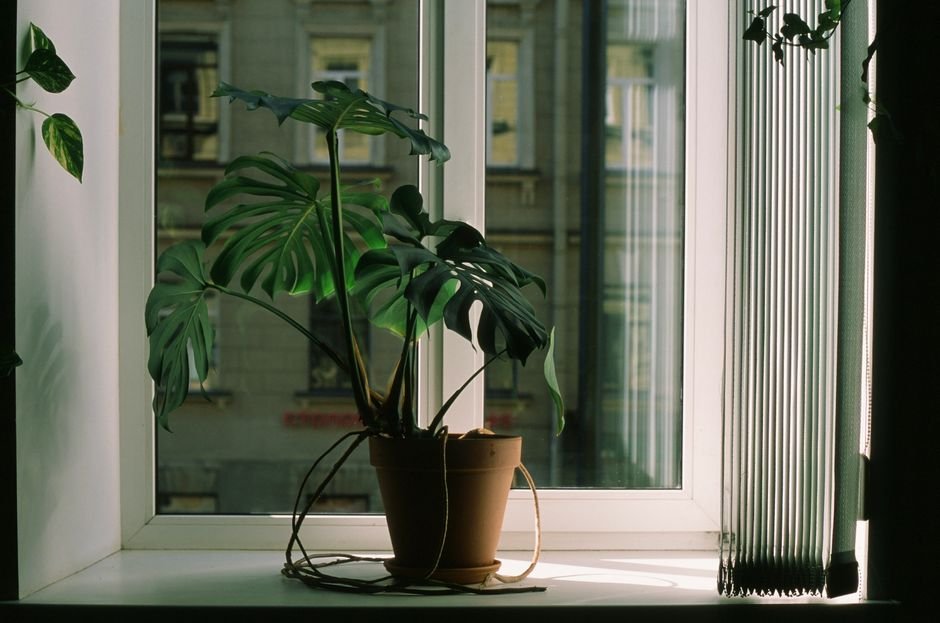

The vibrant world of indoor gardening is buzzing, and a recent headline from Worthington, Minnesota, perfectly captures the growing enthusiasm: “Learn basics of houseplant care at Sept. 17 event in Sibley – The Globe.” This local initiative, much like countless others springing up across the US, highlights a fundamental truth: while the joy of houseplants is universal, mastering the houseplant care basics is key to a thriving indoor jungle. At PlantsMag.com, we believe every plant parent, from novice to seasoned collector, can benefit from revisiting these foundational principles. Let’s dive into what makes our green companions flourish, drawing inspiration from community efforts and offering actionable advice for every American home.
The Sibley Spark: Bringing Houseplant Care to Your Community
The upcoming event in Sibley isn’t just a local gathering; it’s a microcosm of a national trend. From bustling urban centers to quiet suburban neighborhoods, Americans are embracing houseplants with unprecedented fervor. These community workshops, often hosted by local libraries, garden clubs, or botanical gardens, offer invaluable hands-on learning. They provide a vital space for plant enthusiasts to connect, share tips, and learn directly from experts. If you can’t make it to Sibley, seek out similar events in your area – check your local community center, plant nurseries like those found at Home Depot or Lowe’s, or independent garden shops for workshops. These gatherings are fantastic for demystifying common plant dilemmas and building confidence in your care routine.
“Community plant events are crucial. They transform abstract advice into tangible skills, allowing people to ask questions specific to their homes and plants. It’s about empowering individuals to become confident plant parents.” – Dr. Flora Green, Horticulturist and PlantsMag.com Contributor
Light: The Ultimate Growth Fuel for Indoor Plants
Understanding light is arguably the most critical aspect of houseplant care. Just like us, plants need energy, and they get it through photosynthesis, powered by light. The right amount and intensity of light will dictate your plant’s growth, flowering, and overall health. Most houseplants thrive in bright, indirect light – think a few feet away from a south or west-facing window, or directly in an east-facing window. Low-light plants, like the ZZ Plant or Snake Plant, can tolerate less intense conditions, while sun-worshippers like cacti and some succulents demand direct sun.
Decoding Your Plant’s Light Needs
To determine your plant’s ideal spot, consider its native habitat. Tropical plants often grow under a canopy, preferring filtered light. Desert plants crave direct sun. If natural light is scarce, especially during the shorter days of a US winter, consider supplementing with grow lights. Full-spectrum LED grow lights, readily available from retailers like Amazon or your local garden center, can make a huge difference. Look for brands like Barrina or GE BR30 LED grow lights which offer excellent spectrum for indoor growth. Placing them on a timer for 10-14 hours a day can replicate natural conditions and prevent leggy, weak growth.
The Art of Watering: Don’t Drown Your Green Friends
More houseplants die from overwatering than underwatering. It’s a common mistake, often stemming from good intentions! The key to successful watering is understanding that not all plants need water at the same frequency, and the soil should dictate your schedule, not the calendar. Always check the soil moisture before watering. A simple finger test – sticking your finger about an inch or two into the soil – is often sufficient. If it feels dry, it’s likely time to water. For larger pots or more precise readings, a moisture meter (like the XLUX T3) can be a valuable tool, helping you avoid root rot.
Watering Techniques for Different Plants
For most tropical houseplants, water thoroughly until it drains from the bottom of the pot. Discard any standing water in the saucer to prevent roots from sitting in stagnant water. Succulents and cacti, on the other hand, prefer a “soak and dry” method – water deeply, then allow the soil to dry out completely, often for weeks, before watering again. Bottom watering, where you place the pot in a tray of water to allow the plant to absorb moisture from the drainage holes, is also an excellent technique for many plants, promoting stronger root growth and even moisture distribution.
Soil, Nutrients, and Potting Up: Building a Strong Foundation
The right potting mix is crucial for healthy root development and proper drainage. Standard garden soil is too dense for most houseplants and can compact, leading to poor aeration and root rot. Always opt for a high-quality, well-draining potting mix specifically formulated for indoor plants. Brands like FoxFarm Ocean Forest or Espoma Organic Potting Mix are popular choices among US plant enthusiasts for their quality and beneficial ingredients. For succulents and cacti, use a specialized gritty mix that allows for even faster drainage.
As your plants grow, they’ll deplete the nutrients in their soil. Regular fertilization, especially during the active growing seasons of spring and summer, is essential. A balanced liquid fertilizer, diluted to half or quarter strength, applied every 2-4 weeks, works well for most houseplants. Look for all-purpose liquid fertilizers from brands like Dyna-Gro or a slow-release granular option like Osmocote. Always follow package directions and avoid fertilizing during fall and winter when most plants are dormant.
Pest Patrol & Environmental TLC: Keeping Your Plants Happy
Even the healthiest houseplants can occasionally fall victim to pests or environmental stress. Common culprits include spider mites, mealybugs, and fungus gnats. Regular inspection is your best defense. Catching an infestation early makes it much easier to manage. For minor issues, a strong spray of water can dislodge pests. For persistent problems, organic solutions like neem oil spray or insecticidal soap (available at most garden centers and big-box stores like Walmart) are effective and safe for indoor use. Always isolate affected plants to prevent spread.
Beyond pests, environmental factors like humidity and temperature play a significant role. Most tropical houseplants prefer higher humidity than typically found in US homes, especially during dry winter months with heating systems running. Consider a small humidifier near your plant collection, or use pebble trays filled with water to increase localized humidity. Maintaining consistent temperatures, avoiding drastic fluctuations, and keeping plants away from drafty windows or heating vents will also contribute to their overall well-being. A consistent room temperature between 65-75°F (18-24°C) is ideal for most.
| Plant Type | Light Needs | Watering Frequency | Soil Preference | Common Pests |
|---|---|---|---|---|
| Pothos (Epipremnum aureum) | Low to Bright Indirect | When top 1-2″ soil is dry | Well-draining all-purpose | Mealybugs, Spider Mites |
| Snake Plant (Sansevieria trifasciata) | Low to Bright Indirect | When soil is completely dry | Cactus/Succulent mix | Mealybugs |
| Monstera Deliciosa | Bright Indirect | When top 2-3″ soil is dry | Well-draining, airy mix | Thrips, Spider Mites |
| ZZ Plant (Zamioculcas zamiifolia) | Low to Medium Indirect | When soil is completely dry | Cactus/Succulent mix | Mealybugs, Scale |
| Fiddle Leaf Fig (Ficus lyrata) | Bright Indirect | When top 2-3″ soil is dry | Well-draining all-purpose | Spider Mites, Fungus Gnats |
FAQ: Your Houseplant Care Questions Answered
What are the best houseplants for beginners in the US?
For beginners, we recommend resilient and forgiving plants like the Snake Plant (Sansevieria), ZZ Plant (Zamioculcas zamiifolia), Pothos (Epipremnum aureum), or Spider Plant (Chlorophytum comosum). These plants tolerate a range of conditions and are excellent for learning the ropes of houseplant care without too much stress.
How often should I fertilize my houseplants?
Most houseplants benefit from fertilization every 2-4 weeks during their active growing season (spring and summer). Reduce or stop fertilizing during fall and winter when growth naturally slows down. Always use a diluted liquid fertilizer to avoid over-fertilization, which can burn roots.
Why are my houseplant leaves turning yellow?
Yellowing leaves can indicate several issues, but the most common culprits are overwatering (leading to root rot) or underwatering. Check the soil moisture. Other causes can include nutrient deficiencies, lack of light, or even normal aging of older leaves. Assess your plant’s environment and care routine to pinpoint the exact cause.
Can I use garden soil for my indoor plants?
No, it’s generally not recommended. Garden soil is too heavy and dense for potted plants, which can lead to poor drainage, compaction, and root rot. It may also contain pests, weed seeds, or diseases that you don’t want to introduce indoors. Always use a high-quality, well-draining potting mix specifically designed for houseplants.
The Sibley event is a wonderful reminder that learning about plants is an ongoing, joyful journey. By understanding these fundamental houseplant care basics – light, water, soil, and pest management – you’re well on your way to cultivating a lush, vibrant indoor oasis. Embrace the learning process, observe your plants closely, and don’t be afraid to experiment. Happy growing!