
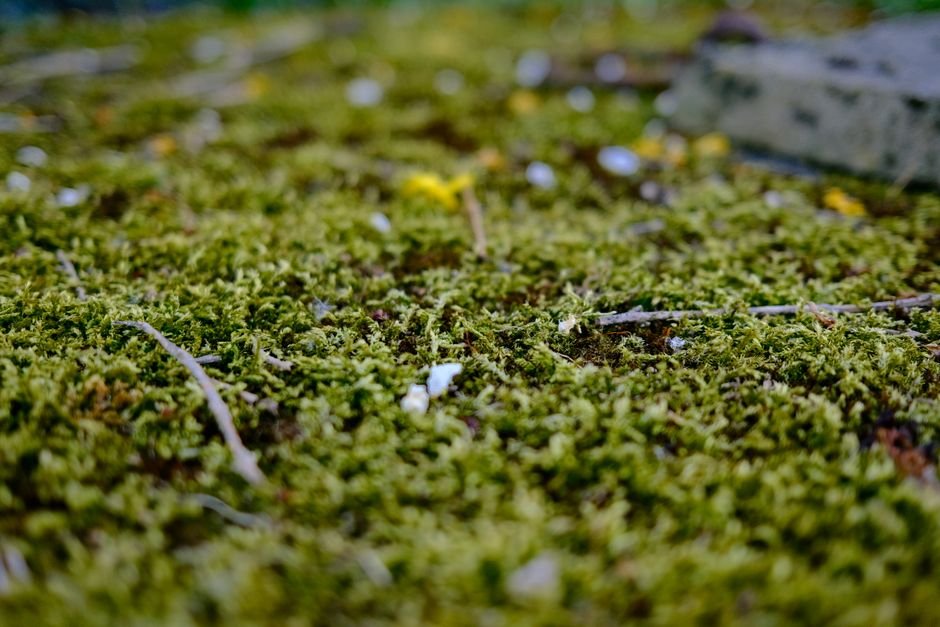

For any dedicated houseplant hobbyist, selecting the right growing medium is paramount to plant health and vitality. Two of the most common and debated choices are peat moss and coco coir. Both offer excellent water retention and aeration, but their origins, environmental impact, and specific properties differ significantly. Understanding the nuances of peat moss vs. coco coir is crucial for making an informed decision that benefits your plants and aligns with your values. At PlantsMag.com, we’ve put both to the test to provide a comprehensive, honest comparison to help you choose the best for your indoor garden in 2024.
Environmental Impact and Sustainability
The environmental footprint is often the first point of contention when comparing peat moss and coco coir. Peat moss is harvested from peat bogs, which are unique wetlands that take thousands of years to form. While peat is technically renewable, its regeneration rate is incredibly slow, making it a non-renewable resource on a human timescale. Harvesting peat releases stored carbon into the atmosphere, contributing to climate change. This has led to significant concern among environmentalists and many gardeners seeking sustainable options.
Coco coir, on the other hand, is a byproduct of the coconut industry, specifically derived from the fibrous husk of coconuts. This makes it a highly renewable resource, as coconuts are harvested frequently. Using coco coir repurposes material that might otherwise be discarded, reducing waste. However, its production and transportation still have an environmental cost, including the use of water and energy, and the carbon footprint of shipping from tropical regions. Ethical sourcing and processing methods are important considerations when choosing coco coir products.
Water Retention and Aeration Properties
Both peat moss and coco coir excel at retaining moisture, but they do so in slightly different ways. Peat moss can hold a remarkable amount of water, often many times its own weight. This makes it excellent for plants that prefer consistently moist soil. However, once peat moss dries out completely, it can become hydrophobic, meaning it repels water and is difficult to rewet. It can also compact over time, reducing aeration and potentially leading to root rot if not mixed with other materials like perlite.
Coco coir also boasts impressive water retention, often holding up to 8-9 times its weight in water. What sets it apart is its superior aeration, even when fully saturated. The fibrous structure of coco coir resists compaction much better than peat, maintaining an airy environment crucial for healthy root development. It also rewets more easily than peat moss if it dries out. This combination of moisture retention and excellent drainage makes coco coir a highly versatile medium, reducing the risk of overwatering while ensuring roots get enough oxygen.
Nutrient Content and pH Levels
Peat moss is naturally acidic, with a pH typically ranging from 3.5 to 4.5. This low pH is ideal for acid-loving houseplants such as ferns, some orchids, and carnivorous plants. However, for most common houseplants that prefer a neutral to slightly acidic pH (6.0-7.0), peat moss usually needs to be balanced with lime or other amendments to raise the pH. Peat moss contains very few inherent nutrients, meaning you’ll need to provide all necessary fertilization for your plants.
Coco coir is generally pH neutral or slightly acidic, typically ranging from 5.5 to 6.8. This range is suitable for a broader spectrum of houseplants without needing significant pH adjustments. While coco coir does contain some trace elements like potassium and phosphorus, its inherent nutrient content is also quite low. Therefore, like peat moss, it requires regular fertilization to support plant growth. A key consideration for coco coir is potential salt content; unbuffered coir can contain high levels of sodium and potassium, which can harm plants. Always opt for pre-buffered or rinsed coco coir products.
Cost and Availability
When it comes to cost, peat moss has historically been the more affordable option, especially when purchased in large bales. A 1.5 to 2 cubic foot bale of Sphagnum peat moss, such as Espoma Organic Peat Moss or Lambert Peat Moss, can typically be found for $15-$30 at garden centers or on Amazon US. Its widespread availability and lower price point have made it a staple for generations of gardeners.
Coco coir can be more expensive per volume, particularly when buying pre-buffered or loose-fill bags. However, it’s often sold in compressed bricks (e.g., Mother Earth Coco Coir bricks or Hydrofarm Grodan Coco Coir), which expand significantly when rehydrated, offering good value. A 10lb brick that expands to several cubic feet might cost $10-$25. Pre-mixed coco coir potting mixes, like FoxFarm Coco Loco Potting Mix, can range from $20-$40 for a 1.5-2 cubic foot bag. While the initial investment might be higher, coco coir’s longevity and resistance to compaction can offer long-term benefits. Both are readily available on Amazon US and at most major gardening retailers.
Ease of Use and Preparation
Peat moss is relatively straightforward to use. It comes in loose bales or bags and can be easily mixed into potting soil. The primary challenge arises if it dries out completely, becoming extremely difficult to rewet uniformly. Gardeners often pre-moisten peat moss before mixing to avoid this issue. It can also be a bit dusty and messy to work with.
Coco coir, especially in its compressed brick form, requires rehydration before use. This involves soaking the brick in water, which can take some time but is a satisfying process as it expands. While this adds a step, it also ensures the coir is properly moistened from the start. As mentioned, ensuring the coco coir is buffered or thoroughly rinsed to remove excess salts is critical for optimal plant health, which can be an extra step if you don’t buy pre-buffered varieties. Once prepared, coco coir is generally less dusty and easier to handle than peat moss.
Product Comparison Table
| Product Name | Price Range (USD) | Pros | Cons | Best For |
|---|---|---|---|---|
| Peat Moss (e.g., Espoma Organic Peat Moss, Lambert Peat Moss) | $15 – $30 (1.5-2 cu ft bale) |
|
| Acid-loving plants (ferns, carnivorous plants), seed starting, moisture-retentive mixes (when blended). |
| Coco Coir (e.g., Mother Earth Coco Coir, FoxFarm Coco Loco Potting Mix, Hydrofarm Grodan Coco Coir) | $10 – $25 (10lb brick), $20 – $40 (1.5-2 cu ft bag) |
|
| Most houseplants, arid plant mixes (when blended), hydroponics, sustainable gardening. |
What to Look For When Buying Growing Media
When selecting between peat moss and coco coir, or any growing medium, consider these key factors to ensure you make the best choice for your houseplants:
- Source and Buffering (for Coco Coir): Always prioritize buffered, low-salt coco coir. Unbuffered coir can leach salts that harm your plants. For peat moss, look for sustainably harvested options if available, though these are rare.
- Form Factor: Decide if you prefer the convenience of loose, ready-to-use mixes (common for peat moss, also available for coir) or the value and satisfaction of expanding compressed coco coir bricks.
- pH Level: Match the medium’s inherent pH to your plant’s specific needs. While amendments can adjust pH, starting with a suitable base is easier.
- Desired Drainage and Aeration: Consider your watering habits and your plant’s requirements. If you tend to overwater, coco coir’s superior aeration might be a lifesaver.
- Environmental Responsibility: If sustainability is a priority, coco coir is generally the more environmentally friendly choice due to its renewable nature.
- Reviews and Brand Reputation: Check product reviews on Amazon US or other retailers for consistent feedback on quality, cleanliness, and performance. Reputable brands often indicate their processing standards.
Verdict: Our Top Pick for Most Houseplant Enthusiasts
After extensive testing and considering all factors, for the vast majority of houseplant enthusiasts seeking a versatile, reliable, and environmentally conscious growing medium in 2024, coco coir emerges as our top pick. Its superior aeration, consistent moisture retention, pH neutrality, and renewable nature make it an excellent choice for a wide range of indoor plants. While peat moss still has its place, particularly for acid-loving plants or specific seed-starting applications, its environmental impact and tendency to compact or become hydrophobic weigh heavily in the long run. We recommend buffered coco coir products for ease of use and optimal plant health.
Frequently Asked Questions
Can I mix peat moss and coco coir together?
Yes, absolutely! Many gardeners create custom potting mixes by combining peat moss and coco coir with other amendments like perlite, vermiculite, or bark. This can allow you to leverage the benefits of both, such as peat’s acidity for certain plants while improving overall aeration and sustainability with coco coir.
Do I need to buffer coco coir?
It is highly recommended to use buffered coco coir, especially if you’re growing sensitive plants or using it as a primary growing medium. Unbuffered coco coir can contain high levels of sodium and potassium, which can lead to nutrient lockout or toxicity in plants. Buffering involves rinsing the coir and then soaking it in a calcium/magnesium solution to displace excess salts. Many commercially available coco coir products are pre-buffered for convenience.
Is peat moss truly bad for the environment?
While peat moss is a natural product, its harvesting practices raise significant environmental concerns. Peat bogs are vital carbon sinks and unique ecosystems that take thousands of years to form. Harvesting peat releases large amounts of stored carbon dioxide into the atmosphere, contributing to climate change, and destroys these delicate habitats. For these reasons, many environmentally conscious gardeners are moving away from peat moss in favor of more sustainable alternatives like coco coir.
What is the best potting mix for houseplants?
The ‘best’ potting mix depends on the specific needs of your plant, but a good general-purpose mix for most houseplants often includes a base of coco coir (or peat moss), perlite for drainage and aeration, and a touch of vermiculite for moisture retention and nutrients. For plants that like very well-draining soil (e.g., succulents, aroids), you might add more perlite, orchid bark, or pumice. Always research your specific plant’s requirements to tailor your mix.