
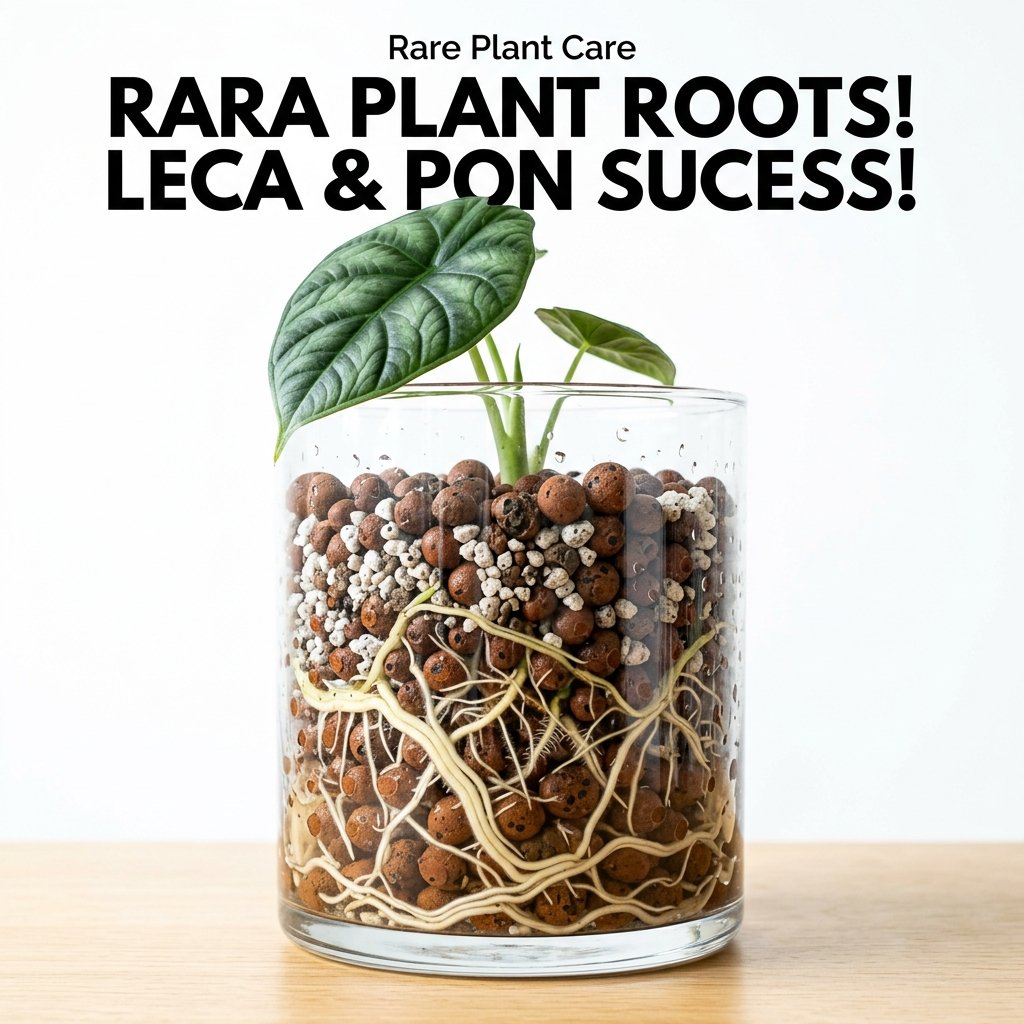

For fifty years, Perlite—those tiny white balls that look like styrofoam—has been the mandatory additive to every potting soil on earth to create drainage. It is cheap, abundant, and effective. Yet, the high-end houseplant community is aggressively abandoning perlite in favor of a much heavier, more expensive alternative: Horticultural Pumice.
The Problem with Perlite (The Float)
Perlite is volcanic glass heated to 1600°F until it pops like popcorn. Because it is essentially airy glass foam, it is violently light. When you water a houseplant deeply, the water creates a temporary suspension in the soil.
Because perlite is lighter than water, it instantly separates from the soil matrix and floats to the top of the pot. After 6 months of watering, 90% of your perlite will be sitting uselessly on the surface of the soil, while the bottom of the pot (where the roots actually are) has compacted into a suffocating, dense block of mud. It is a catastrophic failure of physics.
The Pumice Solution
- Weight: Pumice is a solid volcanic rock. It is heavy. It will never float to the surface. It locks the soil structure in place permanently.
- Porosity: A single chunk of pumice is covered in thousands of microscopic pores. It absorbs water and holds it like a rigid sponge, slowly releasing it to the roots while remaining structurally indestructible.
Aesthetic and Cleanliness
Perlite breaks down over time into a fine, choking silica dust. Every time you mix soil, you must wear a mask to prevent inhaling perlite dust. Furthermore, as perlite degrades in the pot over years, it collapses, completely destroying the drainage layer. Pumice produces no dust, never degrades, and can be washed and reused for decades.
The Verdict
If you are potting a $5 Spider Plant, stick with perlite. If you are mixing substrate for a $300 Philodendron Spiritus Sancti, spending an extra $10 on a bag of premium agricultural pumice is the cheapest insurance policy you can buy to guarantee permanent, un-compactable root aeration.
What’s Your Next Step?
You have optimized your substrate. The logical query is how to leverage this foundational knowledge for maximum collection value and security.
- <a href="https://plantsmag.com/the-2026-hydroponic-houseplant-revolution-transitioning-your-
Frequently Asked Questions
What are the best conditions for this plant?
Most houseplants thrive in bright, indirect light with temperatures between 65-80F (18-27C). Ensure good drainage and water when the top inch of soil feels dry.
How often should I water?
Watering frequency depends on the plant species, pot size, and environment. A general rule is to check the soil moisture before watering. Overwatering is the most common cause of houseplant death.
What soil mix works best?
A well-draining mix of peat moss, perlite, and orchid bark works well for most tropical houseplants. Succulents prefer a grittier mix with more sand and perlite.
Quick Care Reference
Factor Requirement Notes Light Bright indirect Avoid direct afternoon sun Water When top inch dry Reduce in winter Humidity 50-70% Mist or use pebble tray Temperature 65-80F (18-27C) Avoid cold drafts Soil Well-draining mix Peat, perlite, bark Fertilizer Monthly (spring-summer) Half-strength balanced