
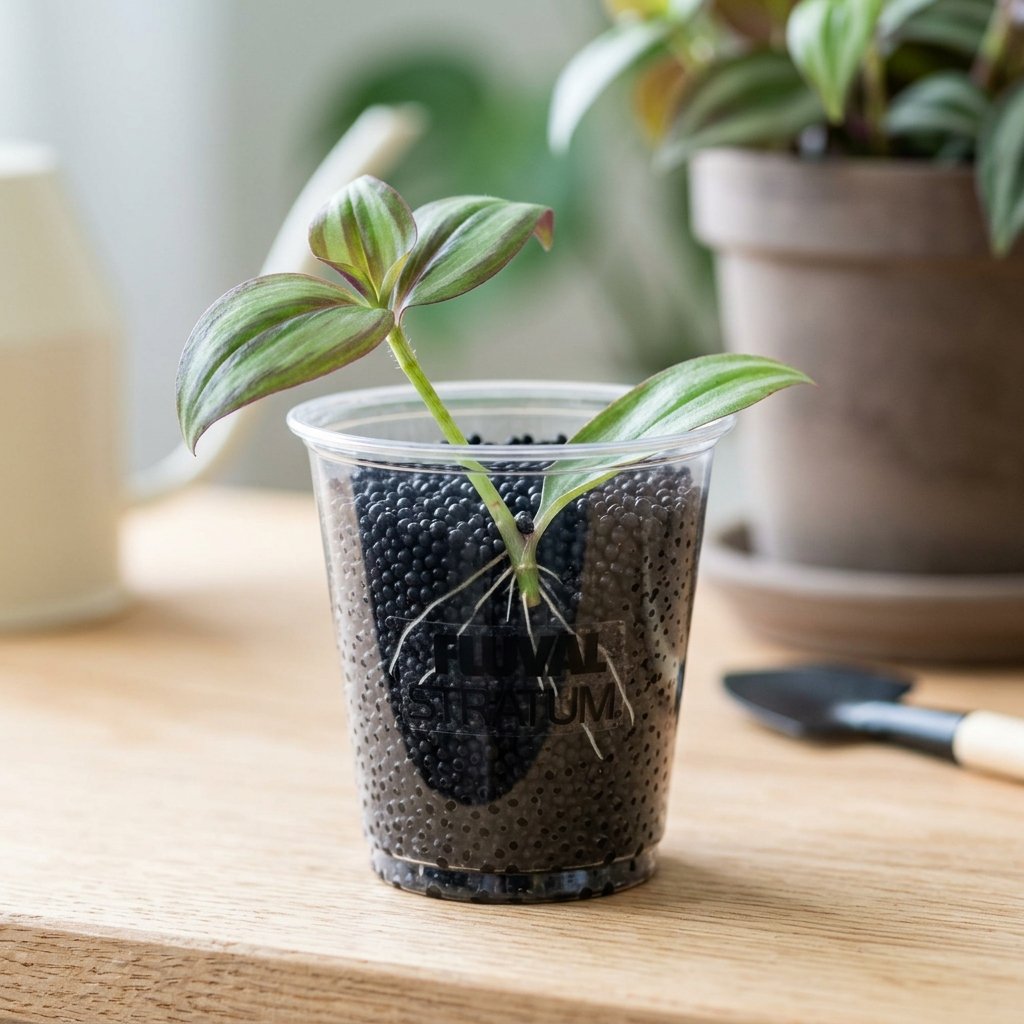

You planted your Monstera in a premium, highly aerated mix of soil and perlite two years ago. It grew perfectly. But over the last few months, every time you water, it takes hours to drain. The soil looks dark, dense, and muddy. You haven’t changed your watering habits, but the plant is rotting. You have experienced Perlite Breakdown.
The Physical Reality of Perlite
Perlite is incredibly effective because it is a lightweight, expanded volcanic glass that introduces massive structural air pockets into the soil. However, it is fragile. Over time, the constant expansion and contraction of wet/dry cycles, combined with the crushing mechanical weight of the roots themselves, slowly grinds the fragile perlite chunks into fine, microscopic dust.
The Suffocation Process
- When the perlite chunks shatter into dust, they no longer provide structural air pockets.
- Worse, the fine silica dust mixes perfectly with the peat moss, creating a dense, impenetrable cement.
- What used to be a fast-draining, highly oxygenated Aroid mix has degraded into a suffocating mud pit that holds water for weeks.
The Solution: Inorganic Upgrades
This is why advanced growers aggressively repot their major Aroids every 12 to 18 months, regardless of whether the plant is root-bound. You are not repotting to give the plant more space; you are repotting to replace the collapsed structural engineering of the soil.
If you want a soil mix that physically cannot break down or turn to mud over decades, you must replace perlite entirely with Horticultural Pumice. Pumice is a solid, porous volcanic rock. It provides the exact same aeration benefits as perlite, but it is physically impossible for the roots to crush it into dust. It guarantees infinite structural stability.
<div class='pm-retention-hook' style='background-color: #f8fafc; border-left: 4px solid #2A7B4C; padding: 2
Frequently Asked Questions
What are the best conditions for this plant?
Most houseplants thrive in bright, indirect light with temperatures between 65-80F (18-27C). Ensure good drainage and water when the top inch of soil feels dry.
How often should I water?
Watering frequency depends on the plant species, pot size, and environment. A general rule is to check the soil moisture before watering. Overwatering is the most common cause of houseplant death.
What soil mix works best?
A well-draining mix of peat moss, perlite, and orchid bark works well for most tropical houseplants. Succulents prefer a grittier mix with more sand and perlite.
Quick Care Reference
| Factor | Requirement | Notes |
|---|---|---|
| Light | Bright indirect | Avoid direct afternoon sun |
| Water | When top inch dry | Reduce in winter |
| Humidity | 50-70% | Mist or use pebble tray |
| Temperature | 65-80F (18-27C) | Avoid cold drafts |
| Soil | Well-draining mix | Peat, perlite, bark |
| Fertilizer | Monthly (spring-summer) | Half-strength balanced |