
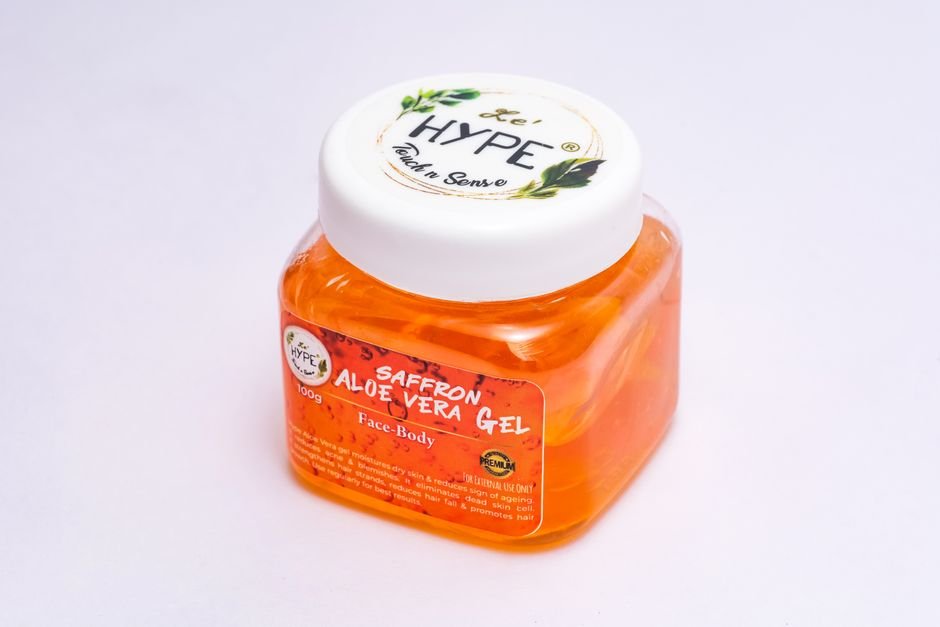

Welcome, fellow plant enthusiasts, to PlantsMag.com! As a senior horticulturist, I’m thrilled to share my insights on one of the most beloved and versatile houseplants: Aloe Vera. This resilient succulent, often dubbed the “plant of immortality,” is a staple in American homes for its striking appearance and incredible utility. Mastering Aloe Vera care and uses can transform your approach to natural wellness and home gardening, offering both beauty and a living first-aid kit right on your windowsill.
Understanding Aloe Vera: A Resilient Succulent for US Climates
Aloe Vera (Aloe barbadensis miller) is a succulent native to arid regions, known for its thick, fleshy leaves filled with a potent gel. Its adaptability makes it a fantastic houseplant across all USDA hardiness zones, thriving indoors where temperatures are stable. Outdoors, it flourishes year-round in zones 9-11, where it can be incorporated into xeriscaping or rock gardens. Understanding its desert origins is key to successful cultivation, as it informs its specific needs for light, water, and soil.
Optimal Aloe Vera Care for Thriving Plants
Providing the right conditions ensures your Aloe Vera isn’t just surviving but truly flourishing. While often considered low-maintenance, a few key practices will unlock its full potential, allowing it to grow robustly and produce those valuable gel-filled leaves.
Light Requirements: The Sun’s Gentle Embrace
Aloe Vera craves bright, indirect sunlight. A south- or west-facing window is ideal, where it can receive several hours of bright light without the harsh intensity of direct midday sun, which can scorch its leaves. If natural light is scarce, especially during shorter winter days, consider supplementing with a full-spectrum LED grow light for 10-12 hours daily. Position it about 12-18 inches above the plant to mimic natural conditions, ensuring your aloe receives adequate energy for growth.
Watering Practices: Less is More for Succulents
Overwatering is the quickest way to kill an Aloe Vera. Its succulent leaves store water, making it highly drought-tolerant. The “soak and dry” method is paramount: water thoroughly until it drains from the bottom, then allow the soil to dry out completely before watering again. This might mean watering every 2-4 weeks in summer and even less frequently, perhaps monthly, in winter. A simple moisture meter, readily available for $15-$25 at most garden centers, can be a valuable tool to accurately assess soil dampness before you reach for the watering can.
Humidity & Temperature: Mimicking Arid Comfort
Aloe Vera prefers average indoor humidity and temperatures between 60-80°F (15-27°C). Avoid placing it near drafty windows or heating/AC vents, which can cause sudden temperature fluctuations. While it tolerates dry air well, extremely low humidity isn’t ideal for prolonged periods. For outdoor plants in USDA Zones 9-11, ensure they are protected from frost, as temperatures below 40°F (4°C) can cause significant damage.
Soil & Potting: Drainage is Key
Excellent drainage is non-negotiable for Aloe Vera. Use a specialized succulent and cactus potting mix, such as Miracle-Gro Cactus, Palm & Citrus Potting Mix or FoxFarm Ocean Forest Potting Soil mixed with extra perlite or coarse sand (a 2:1 ratio of soil to perlite works well). Repot only when the plant outgrows its container, typically every 2-3 years, choosing a pot only one size larger with drainage holes. Terra cotta pots are an excellent choice as they promote evaporation and prevent waterlogging.
Fertilization: A Light Touch
Aloe Vera is not a heavy feeder. Fertilize sparingly, if at all, during its active growing season (spring and summer). Use a balanced, water-soluble succulent fertilizer diluted to half strength, no more than once a month. Avoid fertilizing in fall and winter when the plant’s growth naturally slows down.
Common Pests and Problems Affecting Aloe Vera
While generally robust, Aloe Vera can occasionally face issues. The most common culprits are root rot, caused by overwatering, and mealybugs. Root rot manifests as mushy, discolored leaves and a soft base. If caught early, repotting into fresh, dry soil after trimming affected roots can save the plant. Mealybugs appear as white, cottony masses, often in leaf crevices. Treat them by dabbing with a cotton swab dipped in rubbing alcohol or using an insecticidal soap designed for succulents, always testing on a small area first.
Harnessing Aloe Vera’s Medicinal & Home Uses
Beyond its ornamental appeal, the true magic of Aloe Vera lies in the gel within its leaves. For centuries, it has been revered for its soothing and healing properties, making it a valuable addition to any home.
First Aid & Skin Soothing: Your Natural Remedy
The clear gel found inside Aloe Vera leaves is renowned for its anti-inflammatory, antimicrobial, and wound-healing properties. It’s excellent for minor burns (like sunburns or kitchen mishaps), small cuts and scrapes, insect bites, and various skin irritations. To use, simply snip a lower, mature leaf from your plant, wash it, and slice it open lengthwise. Scoop out the clear gel with a spoon and apply it directly to the affected area. Always perform a patch test on a small area of skin first to check for any allergic reactions.
Beyond Topical: Other Potential Applications (with caution)
While primarily used topically, some people explore Aloe Vera for internal uses, such as digestive support. However, consuming Aloe Vera gel, especially the latex (the yellow sap between the gel and the leaf rind), can have laxative effects and may cause digestive upset or interact with medications. It’s crucial to consult a healthcare professional before ingesting Aloe Vera, particularly if you have underlying health conditions or are pregnant. Always ensure any product intended for internal use is specifically processed to remove the latex and is labeled as safe for consumption.
Propagating Aloe Vera: Expanding Your Collection
One of the joys of growing Aloe Vera is its ease of propagation. Your mature plant will often produce “pups” or offsets around its base, offering a simple way to expand your collection or share with friends. Here’s how:
- Identify a Pup: Look for small, miniature aloe plants growing from the base of the mother plant. Ensure they are at least 2-3 inches tall and have developed a few leaves of their own.
- Prepare for Separation: Gently remove the entire mother plant from its pot. Brush away excess soil from the roots to clearly see the connection between the pup and the mother plant.
- Separate the Pup: Using a clean, sharp knife or pruning shears, carefully cut the pup away from the mother plant. Try to retain as many of the pup’s roots as possible. If the pup doesn’t have roots, it can still be propagated, but it will take longer.
- Allow to Callus: Place the separated pup (or just the rooted pup if it has some) in a dry, shaded area for 2-3 days. This allows the cut surface to form a callus, preventing rot when planted.
- Plant the Pup: Plant the callused pup in a small pot (e.g., a 4-inch terra cotta pot) filled with a well-draining succulent potting mix. Bury the base of the pup just deep enough so it stands upright.
- Initial Watering: Wait about a week after planting before giving it its first light watering. This further reduces the risk of rot while the pup establishes itself. Place it in bright, indirect light, and care for it as you would a mature Aloe Vera plant.
Aloe Vera Care Requirements Comparison
| Requirement | Ideal Conditions | Notes for US Growers |
|---|---|---|
| Light | Bright, indirect sunlight | South or west-facing window; consider grow lights in winter. Avoid direct midday sun. |
| Water | Thoroughly, then allow soil to dry completely | Every 2-4 weeks in summer; monthly in winter. Use a moisture meter ($15-$25) to check. |
| Humidity | Average indoor humidity (low-moderate) | Tolerates dry air well; typical home humidity is fine. |
| Soil | Well-draining succulent/cactus mix | Use products like Miracle-Gro Cactus, Palm & Citrus Potting Mix or FoxFarm Ocean Forest with added perlite. |
| Temperature | 60-80°F (15-27°C) | Protect from frost; can be grown outdoors year-round in USDA Zones 9-11. |
Frequently Asked Questions About Aloe Vera
How often should I water my Aloe Vera?
Water thoroughly when the top 2-3 inches of soil are completely dry. This could be every 2-4 weeks in warmer months and less often, perhaps monthly, in winter. Always check soil moisture with your finger or a moisture meter before watering to prevent root rot.
Why are my Aloe Vera leaves turning yellow or brown?
Yellowing or browning leaves often indicate overwatering, especially if they are also soft or mushy. It can also be a sign of too much direct sun (browning tips) or nutrient deficiency. Assess your watering schedule and light exposure first.
Can Aloe Vera be grown outdoors in all US states?
Aloe Vera can be grown outdoors year-round only in USDA Hardiness Zones 9-11, where temperatures rarely drop below freezing. In colder zones, it must be brought indoors before the first frost or grown as a container plant that can be moved.
How do I get the gel from an Aloe Vera leaf?
Select a mature, lower leaf. Snip it close to the base of the plant. Wash the leaf, then use a clean, sharp knife to slice it open lengthwise. With a spoon, gently scoop out the clear, gelatinous pulp. Avoid the yellow sap (latex) that oozes from the cut end, as it can be irritating.
What kind of pot is best for Aloe Vera?
Terra cotta pots are highly recommended for Aloe Vera. Their porous nature allows excess moisture to evaporate, helping to prevent root rot. Whatever material you choose, ensure the pot has at least one drainage hole at the bottom.
Embracing Aloe Vera into your home is more than just adding another houseplant; it’s inviting a piece of living history and natural wellness into your daily life. With these expert tips on Aloe Vera care and uses, you’re well-equipped to cultivate a thriving plant that will offer beauty, interest, and practical benefits for years to come. Happy growing!