
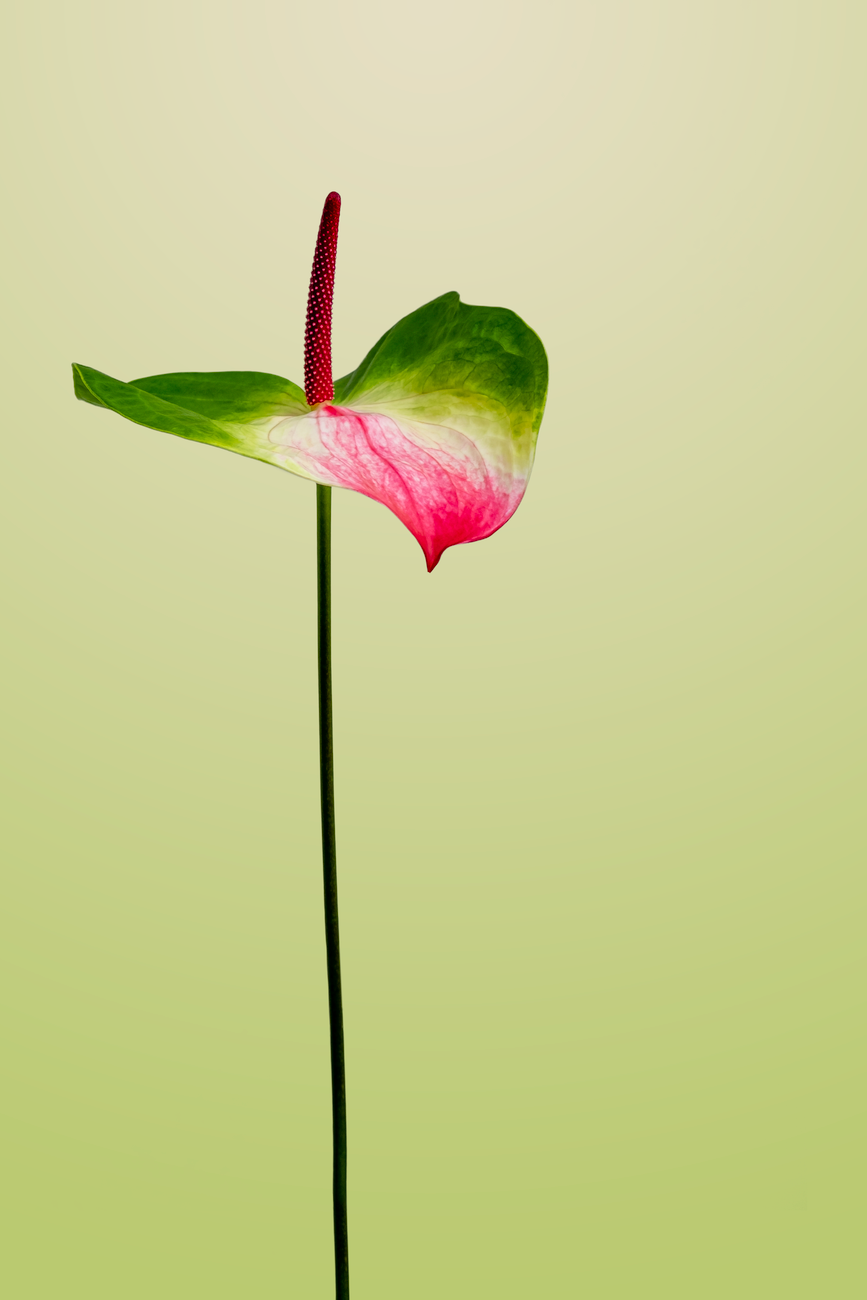

Anthurium Mastery: The Ultimate Blooming & Care Guide
Anthuriums, with their glossy, heart-shaped spathes and intriguing spadices, are captivating additions to any indoor plant collection. Often referred to as flamingo flowers or laceleaf, these tropical beauties can bring a touch of the exotic to your home. However, achieving consistent blooms and maintaining their vibrant health requires understanding their specific needs. This comprehensive guide will equip you with the knowledge and techniques to cultivate thriving, flowering Anthuriums.
Understanding Anthurium Varieties
Before diving into care specifics, it’s essential to recognize that the Anthurium genus boasts hundreds of species, each with slightly different requirements. While the general principles remain consistent, knowing which variety you have can inform your care approach. Some popular varieties include:
- Anthurium andraeanum: The most common variety, known for its large, heart-shaped spathes in red, pink, white, and green.
- Anthurium crystallinum: Prized for its velvety, dark green leaves with prominent silver veins. Often grown for foliage rather than flowers.
- Anthurium clarinervium: Similar to crystallinum, but with even more pronounced silver veins and rounder leaves.
- Anthurium scherzerianum: Known for its curled, often orange or red, spadix.
Understanding your specific variety will help you tailor your care routine for optimal results. For example, Anthurium crystallinum might benefit from slightly higher humidity compared to Anthurium andraeanum.
Essential Anthurium Care: A Step-by-Step Guide
Providing the right environment and care is crucial for healthy growth and abundant blooms. Here’s a detailed guide to Anthurium care:
1. Light Requirements: Striking the Balance
Anthuriums thrive in bright, indirect light. Direct sunlight can scorch their delicate leaves, while insufficient light can hinder blooming. An east-facing window is often ideal, providing gentle morning sun. A north-facing window can also work, but you may need to supplement with artificial light.
Actionable Tip: Observe your Anthurium’s leaves. If they appear pale or yellowing, it may be receiving too much light. If the plant is leggy and not blooming, it likely needs more light. Consider using a grow light for indoor plants, especially during winter months.
2. Watering Wisely: Avoiding Overwatering
Overwatering is a common pitfall with Anthuriums. They prefer consistently moist soil, but never soggy. Allow the top inch or two of soil to dry out before watering thoroughly. Ensure the pot has adequate drainage to prevent waterlogging.
Actionable Tip: Use a soil moisture meter to accurately gauge the moisture level in the soil. Water when the meter reads in the dry range. Reduce watering frequency during the dormant winter months.
3. Humidity: Creating a Tropical Paradise
Anthuriums are native to tropical rainforests and thrive in high humidity. Aim for humidity levels between 60-80%. This can be achieved through several methods:
- Humidifier: A dedicated humidifier is the most effective way to maintain consistent humidity levels.
- Pebble Tray: Place the pot on a tray filled with pebbles and water. As the water evaporates, it increases the humidity around the plant.
- Grouping Plants: Grouping plants together creates a microclimate with higher humidity.
- Misting: While misting can provide temporary relief, it’s not as effective as other methods and can sometimes lead to fungal issues if not done carefully.
4. Soil and Potting: Providing the Right Foundation
Anthuriums need well-draining, airy soil. A mixture of orchid bark, perlite, and peat moss provides the ideal balance of drainage and moisture retention. Avoid using heavy potting soil, as it can lead to root rot.
Actionable Tip: Repot your Anthurium every 1-2 years, or when it becomes root-bound. Choose a pot that is only slightly larger than the previous one. A well-draining orchid pot is an excellent choice. You can also purchase pre-made Anthurium soil mix for convenience.
5. Fertilizing: Fueling Growth and Blooms
Anthuriums benefit from regular fertilization during the growing season (spring and summer). Use a balanced liquid fertilizer diluted to half strength every 2-4 weeks. Reduce or eliminate fertilization during the dormant winter months.
Actionable Tip: Look for a fertilizer specifically formulated for flowering plants. Avoid over-fertilizing, as this can lead to salt buildup in the soil and damage the roots.
6. Temperature: Maintaining a Comfortable Climate
Anthuriums prefer temperatures between 65-80°F (18-27°C). Avoid exposing them to drafts or sudden temperature fluctuations. Protect them from cold temperatures below 60°F (15°C).
Boosting Blooms: Tips and Tricks
While providing the right care is essential, there are specific techniques you can employ to encourage more frequent and vibrant blooms:
- Provide Adequate Light: As mentioned earlier, sufficient light is crucial for blooming. Ensure your Anthurium is receiving bright, indirect light.
- Maintain High Humidity: High humidity encourages the production of flowers.
- Fertilize Regularly: Regular fertilization provides the nutrients needed for flower development.
- Allow for a Slight Dry Period: Briefly withholding water can sometimes stimulate blooming. Allow the soil to dry out slightly more than usual, then water thoroughly.
- Consider Temperature Fluctuations: A slight drop in temperature at night (around 10°F or 5°C) can sometimes encourage blooming.
- Remove Spent Flowers: Pruning away faded flowers encourages the plant to produce new blooms.
Troubleshooting Common Anthurium Problems
Even with the best care, Anthuriums can sometimes encounter problems. Here’s how to address some common issues:
- Yellowing Leaves: Can be caused by overwatering, underwatering, too much light, or nutrient deficiencies. Adjust your care accordingly.
- Brown Leaf Tips: Often a sign of low humidity or salt buildup from over-fertilizing. Increase humidity and flush the soil with water.
- Root Rot: Caused by overwatering and poor drainage. Repot the plant in fresh soil and ensure proper drainage.
- Pests: Anthuriums can be susceptible to pests like spider mites, mealybugs, and aphids. Inspect your plant regularly and treat any infestations promptly with insecticidal soap or neem oil.
Anthurium Varieties Comparison
Here’s a table summarizing key differences between some popular Anthurium varieties:
| Variety | Spathe Shape | Spathe Color | Leaf Appearance | Care Difficulty |
|---|---|---|---|---|
| Anthurium andraeanum | Heart-shaped | Red, Pink, White, Green | Glossy, Green | Easy |
| Anthurium crystallinum | N/A (Grown for foliage) | N/A | Velvety, Dark Green with Silver Veins | Medium |
| Anthurium clarinervium | N/A (Grown for foliage) | N/A | Round, Dark Green with Prominent Silver Veins | Medium |
| Anthurium scherzerianum | N/A (Unique Spadix) | Orange, Red | Green, Lance-shaped | Easy |
By understanding these differences, you can tailor your care to the specific needs of your Anthurium.
Remember to check out our guide to Orchid Care, as Anthuriums and Orchids share some similar care requirements.
Also, if you are interested in other flowering plants, check out our Peace Lily Care Guide.
Conclusion: Cultivating Anthurium Success
With the right care and attention, Anthuriums can thrive indoors and reward you with stunning blooms for years to come. By understanding their specific needs for light, water, humidity, and soil, you can create an environment where they flourish. Embrace the tips and techniques outlined in this guide, and you’ll be well on your way to Anthurium mastery.
Why isn’t my Anthurium blooming?
Lack of blooms is often due to insufficient light, low humidity, or inadequate fertilization. Ensure your Anthurium is receiving bright, indirect light, maintain high humidity levels (60-80%), and fertilize regularly during the growing season with a balanced liquid fertilizer diluted to half strength.
How often should I water my Anthurium?
Water when the top inch or two of soil feels dry to the touch. Avoid overwatering, as this can lead to root rot. Use a well-draining potting mix and ensure the pot has drainage holes. Reduce watering frequency during the winter months.
What type of soil is best for Anthuriums?
Anthuriums need well-draining, airy soil. A mixture of orchid bark, perlite, and peat moss is ideal. Avoid using heavy potting soil, as it can retain too much moisture and lead to root rot. You can also purchase pre-made Anthurium soil mixes.
How do I increase humidity for my Anthurium?
There are several ways to increase humidity: use a humidifier, place the pot on a pebble tray filled with water, group plants together, or mist the plant regularly (though misting is less effective and can sometimes lead to fungal issues).
Are Anthuriums toxic to pets?
Yes, Anthuriums are toxic to pets if ingested. They contain calcium oxalate crystals, which can cause oral irritation, excessive drooling, vomiting, and difficulty swallowing. Keep Anthuriums out of reach of pets and children.
Advanced Anthurium Cultivation: Pro Tips from the Experts
Beyond the basics, achieving truly spectacular Anthurium blooms and robust plant health requires a deeper understanding of their nuanced needs. Here are some experience-based insights to elevate your care:
Mastering Substrate Aeration & Root Respiration
While “well-draining soil” is a common recommendation, true mastery involves understanding the critical role of root respiration. Anthuriums, being epiphytic in their natural habitat, thrive when their roots have access to ample oxygen. A prevalent mistake is using potting mixes that compact over time, stifling root function and leading to anaerobic conditions. Aim for a chunky, airy substrate composed of large orchid bark, perlite, coco coir chunks, and a minimal amount of high-quality potting mix. This specialized blend not only prevents root rot but actively encourages the robust, healthy root development essential for efficient nutrient absorption and the sustained production of vibrant spathes. Consider proactively repotting every 1-2 years, even if the plant isn’t severely root-bound, to refresh the substrate and maintain optimal aeration and nutrient availability.
The Art of Environmental Acclimation & Microclimate Optimization
Anthuriums are remarkably sensitive to environmental shifts. When introducing a new plant or relocating an existing one, gradual acclimation is paramount. Abrupt changes in light intensity, humidity, or temperature can induce significant physiological stress, often manifesting as leaf yellowing, wilting, or premature bud blast. Furthermore, it’s crucial to identify and optimize microclimates within your growing space. A spot just a few feet away from a window might present a significantly different light intensity and temperature profile. Utilize a reliable hygrometer and thermometer to map out these zones. For consistent, prolific blooming, identify the “sweet spot” in your home that offers stable, indirect bright light, consistent warmth (ideally 65-80°F / 18-27°C), and high humidity. Maintaining this stability is key. Regularly rotating the plant (e.g., a quarter turn weekly) also ensures even growth and uniform light exposure across all foliage.
Precision Nutrient Cycling: Beyond NPK for Persistent Blooms
While balanced NPK fertilizers are foundational, truly advanced care involves a nuanced understanding of micronutrients and efficient nutrient cycling for continuous flowering. Anthuriums are heavy feeders during active growth and blooming phases. Supplementing with essential trace elements like Boron, Molybdenum, and Magnesium (often found in high-quality bloom-specific fertilizers) can dramatically enhance flower size, intensify color, and prolong bloom duration. However, it’s equally important to prevent detrimental nutrient buildup. Implement a ‘flush’ watering technique every 2-3 months by thoroughly drenching the pot until water runs freely from the drainage holes for several minutes. This practice helps wash away accumulated mineral salts that can lead to nutrient lockout, ensuring your plant can efficiently absorb the vital nutrients you provide. Adjust feeding frequency seasonally, significantly reducing it during cooler, darker months when plant metabolism slows.
Anthurium Mastery: Your Advanced Questions Answered
Why isn’t my Anthurium blooming, despite good light?
While good light is crucial, several other factors influence Anthurium blooming. Insufficient or inconsistent feeding, particularly a lack of phosphorus and potassium, can hinder flower production. The plant might also be root-bound, signaling it’s time for a repotting into a slightly larger container with fresh, well-draining substrate. Ensure temperatures are consistently warm (65-80°F / 18-27°C) and humidity is high (60-80%). Sometimes, older plants might enter a short dormancy period, or younger plants simply haven’t reached maturity to bloom yet. Review your entire care routine – light, water, nutrients, humidity, temperature, and pot size – for potential improvements.
What is the best method for propagating Anthuriums?
Anthuriums can be successfully propagated through stem cuttings or division. For stem cuttings, choose a healthy stem with at least 2-3 nodes (where leaves emerge) and ideally some aerial roots. Cut just below a node, remove lower leaves, and allow the cut end to callus for a few hours. Plant the cutting in a well-draining, moist mix of sphagnum moss and perlite, or directly in water. Provide high humidity and warmth for root development, which can take several weeks. For division, carefully remove the plant from its pot and gently separate clumps of rhizomes, ensuring each new section has roots and at least one growth point. This method is often more successful as it starts with an established root system.
How can I maintain ideal humidity for my Anthurium indoors without a humidifier?
Maintaining high humidity (60-80%) is vital for Anthuriums. If a humidifier isn’t an option, consider these strategies: 1. Pebble Trays: Fill a shallow tray with pebbles and add water, ensuring the pot sits above the water level to prevent root rot. As the water evaporates, it increases localized humidity. 2. Group Plants: Plants release moisture through transpiration. Grouping several plants together creates a microclimate with higher ambient humidity. 3. Terrariums or Cloches: For smaller Anthuriums, a closed or semi-closed environment like a terrarium or cloche can effectively trap moisture. 4. Bathroom Placement: If your bathroom receives adequate light, the natural humidity from showers can be beneficial. Avoid frequent misting as it offers only temporary relief and can promote fungal issues if leaves stay wet for too long.