
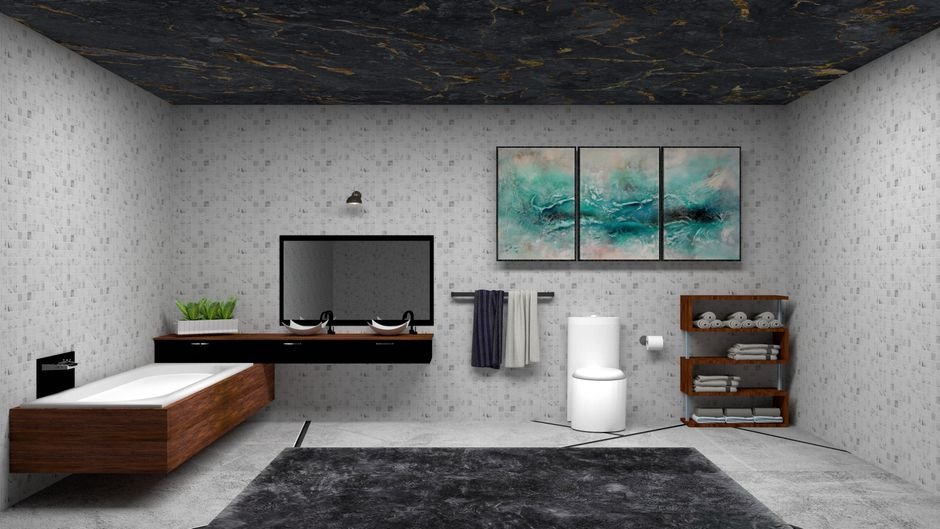

As a seasoned horticulturist and plant enthusiast, I know the unique challenges and opportunities that a bathroom environment presents for indoor gardening. Often characterized by limited natural light and consistently elevated humidity, bathrooms can be a tricky spot for many plants. However, for certain species, these conditions mimic their native tropical habitats, allowing them to truly thrive. If you’re looking to add a touch of natural beauty to your washroom, understanding the best plants for bathrooms with low light and high humidity is key to success.
Transforming your bathroom into a lush, green sanctuary is not only aesthetically pleasing but can also contribute to a more calming atmosphere. This comprehensive guide will help you select the ideal botanical companions and provide the expert care advice needed to ensure they flourish, even in the most challenging bathroom microclimates.
Understanding Your Bathroom’s Unique Microclimate
Before selecting your plants, it’s crucial to assess your bathroom’s specific conditions. “Low light” can range from a windowless interior to a north-facing window that receives indirect, filtered light. “High humidity” is typically a given, especially after showers or baths, but consistent airflow can influence how quickly moisture dissipates. Plants that naturally grow on the forest floor, beneath a dense canopy, are often excellent candidates as they are accustomed to indirect light and humid, stable conditions. Conversely, plants that prefer bright, direct sun will quickly struggle in this environment. Observing your bathroom’s light patterns throughout the day will be your first step in successful plant selection.
Top Picks for Low Light, High Humidity Havens
These plants are celebrated for their resilience and ability to not just survive, but truly flourish, in the dim, steamy conditions of a typical bathroom. They bring vibrant life and natural air purification to your space.
1. Snake Plant (Sansevieria trifasciata)
Often lauded as one of the most indestructible houseplants, the Snake Plant is a champion for low-light conditions. While it can tolerate brighter light, it’s perfectly content in a dimmer bathroom. Its thick, succulent leaves store water, making it forgiving if you occasionally forget to water. The high humidity of a bathroom is a bonus, though not strictly necessary for its survival. Varieties like ‘Laurentii’ or ‘Zeylanica’ are popular, offering striking vertical lines. You can find a good 6-inch potted Snake Plant for around $15-$30 at most garden centers.
2. ZZ Plant (Zamioculcas zamiifolia)
The ZZ Plant is another incredibly resilient choice, almost rivaling the Snake Plant in its tolerance for neglect and low light. Its waxy, dark green leaves give it a sleek, modern appearance, and it thrives on humidity. Much like the Snake Plant, it stores water in its rhizomes, meaning infrequent watering is preferred. Overwatering is its primary enemy, so ensure excellent drainage. A 4-inch ZZ plant typically costs $10-$25.
3. Pothos (Epipremnum aureum)
Pothos, particularly varieties like ‘Neon’ or ‘Marble Queen’, are incredibly versatile and adaptable. They tolerate low light well, though their variegation might become less pronounced in very dim conditions. The trailing vines of a Pothos are perfect for hanging baskets or shelves, allowing them to cascade beautifully. They adore high humidity, which helps keep their leaves lush and vibrant. A standard 6-inch hanging basket of Pothos can be found for $15-$25.
4. Peace Lily (Spathiphyllum)
With its elegant white spathes and deep green foliage, the Peace Lily is a classic choice for low-light, high-humidity environments. It’s an excellent air purifier and will dramatically droop when thirsty, making it easy to know when to water. The consistent humidity of a bathroom helps prevent the browning leaf tips that can occur in drier indoor air. Expect to pay $20-$40 for a medium-sized Peace Lily.
5. Ferns (Various Species)
Many ferns are natural fits for bathrooms due to their love for high humidity. Consider:
- Boston Fern (Nephrolepis exaltata): Classic, lush, and thrives in high humidity. Needs consistent moisture.
- Bird’s Nest Fern (Asplenium nidus): Features broad, undivided fronds. Tolerates lower light than some other ferns and loves humidity.
- Maidenhair Fern (Adiantum raddianum): Known for its delicate, lacy fronds. Requires very high humidity and consistent moisture, making the bathroom an ideal spot.
Ferns generally prefer consistently moist soil (but not waterlogged) and indirect light. A small fern can be purchased for $10-$20.
Essential Care Tips for Thriving Bathroom Plants
Even the most adaptable plants need proper care to truly flourish. Here’s how to ensure your bathroom botanicals stay healthy and vibrant.
Choosing the Right Potting Medium and Drainage
Proper drainage is paramount, especially in a humid environment where evaporation is slower. Always choose pots with drainage holes. For most of these plants, a high-quality, well-draining potting mix is ideal. Look for brands like FoxFarm Ocean Forest Potting Soil or Espoma Organic Potting Mix, which offer good aeration and nutrient content. Avoid heavy garden soil, which can compact and lead to root rot. Adding perlite or orchid bark can further improve drainage and aeration, which is crucial for root health.
Watering Wisdom for Humid Conditions
The high humidity in a bathroom means your plants might not need watering as frequently as those in drier rooms. Always check the soil moisture before watering. A good rule of thumb is to let the top inch or two of soil dry out. A simple moisture meter, like the XLUX Soil Moisture Meter (available on Amazon for about $12-$15), can be an invaluable tool to accurately gauge soil dampness and prevent overwatering. When you do water, water thoroughly until it drains from the bottom, then discard any standing water in the saucer.
Enhancing Your Bathroom’s Green Oasis
Beyond basic care, a few strategic additions can elevate your bathroom plant display and ensure optimal growth.
Supplemental Lighting Solutions
If your bathroom is truly light-deprived (e.g., no windows), even the most low-light tolerant plants will eventually suffer. Consider adding a small, discreet LED grow light. A compact full-spectrum bulb, such as the Sansi 15W LED Grow Light Bulb (around $25-$35), can be screwed into a standard fixture or clipped onto a shelf. Position it to provide 4-6 hours of supplemental light daily. This can make a significant difference in plant vigor and health without being an eyesore.
Fertilization and Pest Prevention
Most bathroom plants will benefit from a diluted liquid fertilizer every 2-4 weeks during their growing season (spring and summer). A balanced, all-purpose liquid plant food, such as Schultz Liquid Plant Food (around $5-$8), is typically sufficient. Always follow package directions and err on the side of under-fertilizing. High humidity can sometimes encourage fungal gnats; ensure good air circulation and avoid overwatering to deter them. If pests appear, a gentle insecticidal soap can usually resolve the issue.
Repotting Your Bathroom Plants: A Step-by-Step Guide
As your plants grow, they will eventually need a larger home. Repotting correctly ensures continued health and vigor.
- Choose the Right Pot: Select a new pot that is only 1-2 inches wider in diameter than the current one. Too large a pot can lead to excess moisture and root rot. Ensure it has drainage holes.
- Gather Your Materials: You’ll need fresh, well-draining potting mix (e.g., Espoma Organic Potting Mix), gardening gloves, and a trowel.
- Prepare the Plant: Gently remove the plant from its current pot. Loosen any circling roots at the bottom.
- Add Fresh Soil: Place a layer of fresh potting mix at the bottom of the new pot, enough so the plant sits at the same soil level as it did in its old pot.
- Position and Fill: Center the plant in the new pot and fill around the root ball with fresh soil, gently tamping it down to remove large air pockets. Leave about an inch of space from the soil surface to the rim of the pot.
- Water Thoroughly: Water the plant immediately after repotting until water drains from the bottom. This helps settle the soil and reduce transplant shock.
Care Requirements Comparison Table
Here’s a quick reference for the optimal care of our top bathroom plant picks:
| Plant Name | Light | Water | Humidity | Soil | Temperature |
|---|---|---|---|---|---|
| Snake Plant | Low to Medium Indirect | Infrequent (let dry out) | Tolerant (any level) | Well-draining, gritty | 65-85°F (18-29°C) |
| ZZ Plant | Low to Medium Indirect | Infrequent (let dry out completely) | Tolerant (any level) | Well-draining, sandy | 65-80°F (18-27°C) |
| Pothos | Low to Medium Indirect | Moderate (top inch dry) | High preferred | Standard potting mix | 60-85°F (15-29°C) |
| Peace Lily | Low to Medium Indirect | Consistent (moist, not soggy) | High preferred | Standard potting mix | 65-80°F (18-27°C) |
| Boston Fern | Low to Medium Indirect | Consistent (evenly moist) | Very High essential | Rich, well-draining | 60-75°F (15-24°C) |
| Bird’s Nest Fern | Low to Medium Indirect | Consistent (evenly moist) | High essential | Rich, well-draining | 65-80°F (18-27°C) |
Frequently Asked Questions About Bathroom Plants
1. Can I use tap water for my bathroom plants?
Most plants tolerate tap water just fine. However, if your tap water is heavily chlorinated or very hard, it can sometimes cause issues over time. Letting tap water sit out for 24 hours allows chlorine to dissipate. For sensitive plants like Maidenhair Ferns, filtered or distilled water might be beneficial.
2. How do I know if my plant is getting enough light in a low-light bathroom?
Signs of insufficient light include leggy growth (stretching towards a light source), smaller new leaves, faded variegation, or a general lack of vigor. If you notice these symptoms, try moving the plant closer to a window, or consider supplementing with a small grow light.
3. Are these plants safe for pets?
Many common houseplants can be toxic if ingested by pets. While Snake Plants, Pothos, Peace Lilies, and ZZ Plants are considered toxic, ferns and Spider Plants are generally non-toxic. Always research the specific plant’s toxicity if you have curious pets. Placing plants out of reach or choosing non-toxic options is always the safest approach.
4. My bathroom soil is developing mold. What should I do?
Mold on the soil surface is usually a sign of consistently high humidity combined with poor air circulation and/or overwatering. Reduce watering frequency, ensure good drainage, and gently scrape off the top layer of moldy soil. Improving air circulation (e.g., using an exhaust fan) can also help prevent recurrence.
5. How often should I fertilize my bathroom plants?
For most of these plants, fertilizing every 2-4 weeks during the active growing season (spring and summer) with a diluted liquid fertilizer is sufficient. Reduce or stop fertilizing entirely during fall and winter when growth naturally slows down. Over-fertilizing can harm your plants, so always follow product instructions carefully.
With the right selection and a bit of attentive care, your bathroom can become a verdant oasis, brimming with life and natural beauty. These resilient plants not only tolerate but actually thrive in the unique conditions of a low-light, high-humidity bathroom, bringing a refreshing touch of nature to your daily routine.