
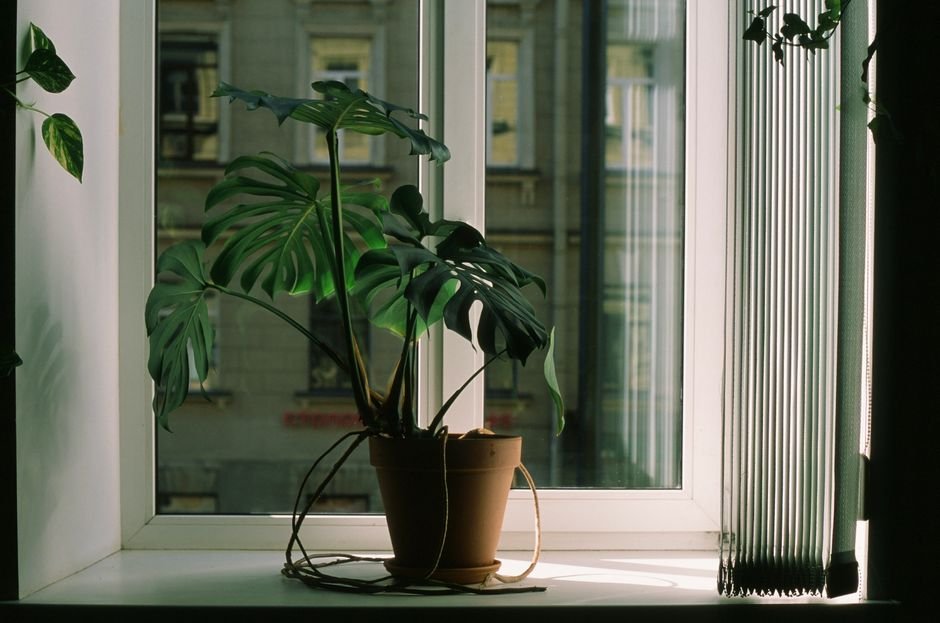

As a senior horticulturist at PlantsMag.com, I’ve seen countless plant enthusiasts struggle with one fundamental decision that profoundly impacts their plant’s vitality: how to choose the right pot size for every houseplant. It might seem like a minor detail, but the container your plant calls home is as crucial as its light, water, and soil. An incorrectly sized pot can lead to a host of problems, from stunted growth and nutrient deficiencies to dreaded root rot. This comprehensive guide will equip you with the knowledge to make informed potting decisions, ensuring your leafy companions flourish.
The Root of the Matter: Why Pot Size Truly Matters
The pot your houseplant lives in isn’t just a decorative vessel; it’s a critical component of its ecosystem. The size directly affects root development, water retention, and nutrient availability. A pot that’s too small will restrict root growth, leading to a ‘root-bound’ plant that struggles to absorb water and nutrients, often resulting in yellowing leaves and stunted development. Imagine trying to run a marathon in shoes two sizes too small – it’s simply not efficient or comfortable. Conversely, a pot that’s too large holds excessive moisture, making the plant susceptible to overwatering and root rot, especially for species that prefer drier conditions. The goal is to find a balance that allows for healthy root expansion without overwhelming the plant with too much soil volume.
Understanding Your Plant’s Growth Habits
Before selecting a new pot, take a moment to observe your plant’s natural growth pattern and root system. Different plants have different needs. Fast-growing plants, like many aroids (e.g., Pothos, Philodendron), will outgrow their pots quicker than slow-growing succulents or cacti. Understanding these habits is key to making the right choice.
Fast Growers vs. Slow Growers
For vigorous growers, you’ll generally want to increase the pot size by 1-2 inches in diameter when repotting. This provides ample space for new root growth without holding an excessive amount of moisture. For instance, if your Pothos is currently in a 6-inch pot and is showing signs of being root-bound, moving it to an 8-inch pot would be appropriate. On the other hand, slow-growing plants, like a ZZ Plant or a Snake Plant, often prefer to be somewhat root-bound and may only need an upgrade every few years, if at all. When you do repot a slow grower, a modest increase of just one inch in diameter is often sufficient to prevent overwatering issues.
Succulents and Cacti: A Special Case
Succulents and cacti are notorious for their preference for tight spaces and well-draining conditions. These plants store water in their leaves and stems, and their root systems are often shallow and fibrous, not requiring deep pots. Too large a pot will hold too much moisture, significantly increasing the risk of root rot – their number one killer. For most succulents and cacti, choose a pot that is only slightly larger than their root ball, or even keep them in the same size if they’re not actively growing. A good quality Espoma Organic Cactus Mix or similar fast-draining soil is also critical for these arid-loving plants.
Practical Guidelines for Pot Sizing
When it’s time to repot, a general rule of thumb is to increase the pot size by 1-2 inches in diameter. So, if your plant is in a 6-inch pot, move it to an 8-inch pot. For larger plants (10-inch pots and up), you might go up by 2-4 inches. However, this is a guideline, not a strict rule. Always consider the plant’s specific needs.
Here’s how to assess if your plant needs a larger home:
- Check the Roots: Gently slide the plant out of its current pot. If the roots are circling the bottom, growing out of the drainage holes, or forming a dense mat around the soil, it’s time for an upgrade.
- Observe Growth: Is the plant’s growth stunted? Are new leaves smaller than older ones? This can be a sign of insufficient root space and nutrient uptake.
- Watering Frequency: If you find yourself watering almost daily and the soil dries out extremely quickly, the plant might be root-bound and unable to retain adequate moisture. A moisture meter, like the XLUX T10, can help you accurately gauge soil moisture levels.
- Top-Heaviness: If your plant is constantly tipping over, it’s likely outgrowing its base and needs a larger, more stable pot.
After repotting, avoid fertilizing for a few weeks to allow the plant to acclimate. Once settled, a balanced liquid fertilizer like Dyna-Gro Grow can help support new growth.
Choosing the Right Pot Material and Drainage
The material of your pot also plays a significant role in moisture management. Each material has distinct properties that suit different plant types:
- Terracotta (Clay Pots): These porous pots allow air and moisture to pass through, promoting evaporation. This makes them excellent for plants that prefer drier conditions and are susceptible to root rot, such as succulents, cacti, and many herbs. They are heavier and more stable, reducing the risk of top-heavy plants tipping.
- Plastic Pots: Non-porous plastic retains moisture longer, making them ideal for moisture-loving plants like ferns, peace lilies, and many tropical foliage plants. They are lightweight, inexpensive, and come in a vast array of colors and styles. Just be mindful of overwatering, especially if using a moisture-retentive soil like Miracle-Gro Indoor Potting Mix.
- Ceramic/Glazed Pots: Similar to plastic, glazed ceramic pots are non-porous and retain moisture. They offer a decorative appeal and good stability for larger plants. Ensure they have adequate drainage holes.
- Fabric Pots: Newer to the houseplant scene, fabric pots (grow bags) offer excellent aeration and prevent root circling through ‘air pruning.’ They are great for promoting a healthy, fibrous root system, though they dry out quicker than plastic, requiring more frequent watering.
Regardless of material, drainage holes are non-negotiable. Without them, water collects at the bottom, suffocating roots and leading to rot. If your decorative pot lacks drainage, use it as a cachepot (a cover pot) and keep your plant in a nursery pot with holes inside.
Repotting: When and How to Transition
Knowing when to repot is just as important as knowing what size to choose. Most houseplants benefit from repotting every 1-3 years, typically in spring or early summer when they are actively growing. This gives them the best chance to recover from the stress of transplanting.
Here’s a simple step-by-step guide to repotting:
- Gather Supplies: New pot (1-2 inches larger in diameter), fresh potting mix (e.g., Foxfarm Ocean Forest Potting Soil for general houseplants), pruners, gloves, and a watering can.
- Prepare the New Pot: Add a layer of fresh potting mix to the bottom of the new pot. The amount depends on the height of your plant’s root ball.
- Remove the Plant: Gently tip the old pot on its side, hold the plant by the base, and carefully slide it out. If it’s stuck, you might need to run a knife around the inner edge of the pot.
- Inspect and Loosen Roots: Gently tease apart any circling or matted roots. If the plant is severely root-bound, you can make a few vertical cuts into the root ball to encourage new growth. Remove any dead or mushy roots.
- Place in New Pot: Center the plant in the new pot. The top of the root ball should be about an inch below the rim of the pot to allow for watering.
- Add Soil: Fill the pot with fresh potting mix, gently tamping it down to remove large air pockets. Don’t compact it too tightly, as roots need aeration.
- Water Thoroughly: Water the plant immediately until water drains from the bottom. This helps settle the soil around the roots.
- Post-Repotting Care: Place the plant in a slightly shadier spot for a week or two to reduce stress, then return it to its usual location. Avoid fertilizing for a month.
FAQ: Common Pot Sizing Questions
Can I put a small plant in a very large pot to avoid frequent repotting?
While it might seem convenient, placing a small plant in a disproportionately large pot is generally not recommended. A large pot holds significantly more soil, which retains more moisture than the plant’s small root system can absorb. This dramatically increases the risk of overwatering and root rot. It’s better to size up gradually as the plant grows.
How do I know if my plant is root-bound?
Common signs of a root-bound plant include roots growing out of the drainage holes, a dense mat of roots visible when you gently remove the plant from its pot, stunted growth, rapid drying of soil after watering, and yellowing or wilting leaves despite adequate watering. If you see these signs, it’s likely time for a larger pot.
What if my plant likes to be root-bound?
Some plants, like many varieties of Sansevieria (Snake Plant), ZZ Plants, and even some Peace Lilies, actually prefer to be slightly root-bound as it can encourage blooming and overall stability. For these plants, only repot when they are severely root-bound and showing signs of distress, or when the pot itself is at risk of cracking. When you do, only go up one pot size.
Should I put rocks or gravel at the bottom of the pot for drainage?
No, this is a common misconception. Adding a layer of rocks or gravel at the bottom of a pot actually creates a ‘perched water table,’ which can hinder drainage and increase the risk of root rot. Water will accumulate above the gravel layer, keeping the soil at the bottom of the pot saturated. Always ensure your pot has proper drainage holes and use a quality potting mix designed for the specific plant.
What’s the difference between a nursery pot and a decorative pot?
A nursery pot is typically a simple, often black plastic pot with multiple drainage holes, designed for plant growth and transportation. A decorative pot (or cachepot) is usually ceramic, terracotta, or metal, chosen for its aesthetic appeal. Many decorative pots lack drainage holes. It’s best practice to keep your plant in its nursery pot and place that inside a decorative cachepot. This allows for easy watering, drainage, and flexibility in changing your decor.
Houseplant Care Requirements Comparison
| Plant | Light | Water | Humidity | Soil | Temperature |
|---|---|---|---|---|---|
| Pothos | Low to Bright Indirect | Allow top 1-2″ to dry | Average (40-60%) | Well-draining, all-purpose | 65-80°F (18-27°C) |
| Snake Plant | Low to Bright Indirect | Allow soil to dry completely | Low (30-40%) | Well-draining, cactus/succulent mix | 65-85°F (18-29°C) |
| Fiddle Leaf Fig | Bright Indirect | Allow top 2-3″ to dry | Moderate to High (50-70%) | Well-draining, rich | 60-85°F (15-29°C) |
| ZZ Plant | Low to Bright Indirect | Allow soil to dry completely | Low to Average (30-50%) | Very well-draining, cactus mix | 65-80°F (18-27°C) |
Choosing the right pot size is a foundational skill for any successful houseplant parent. By understanding your plant’s needs, observing its growth, and selecting appropriate materials, you’ll provide the optimal environment for its roots to thrive. Remember, a happy root system leads to a happy, healthy plant that will reward you with lush foliage and vibrant growth for years to come. Happy potting!