
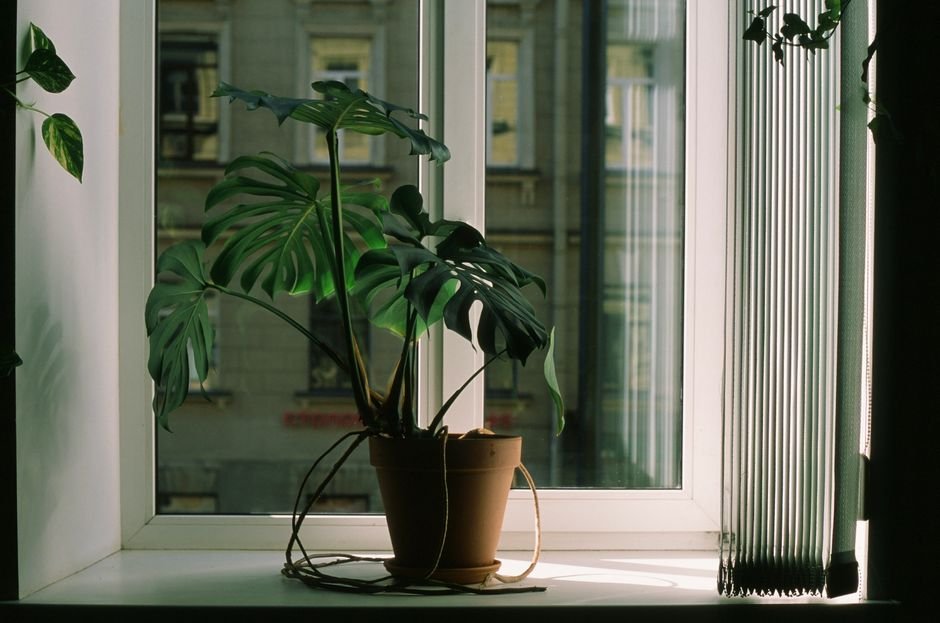

As record-breaking heatwaves sweep across the US, plant parents everywhere are asking the same urgent question: how to care for houseplants in a heatwave? The recent buzz, highlighted by headlines like ‘How to care for houseplants in a heatwave: 5 ways to protect plants from extreme temperatures,’ underscores a critical concern. Your cherished indoor greenery, accustomed to stable environments, is particularly vulnerable to the scorching temperatures and dry air that extreme weather brings. At PlantsMag.com, we understand your anxiety. As senior plant journalists and SEO strategists, we’ve compiled an in-depth guide to help you safeguard your beloved botanical companions, ensuring they not only survive but thrive through the summer’s toughest challenges.
Whether you’re in a sweltering Arizona desert or a humid Florida coast, the principles of heatwave houseplant care remain crucial. This isn’t just about survival; it’s about proactive protection and understanding the unique stressors your plants face. Let’s dive into actionable strategies that will keep your indoor jungle lush and vibrant, no matter how high the mercury climbs.
Understanding the Heatwave Threat to Indoor Plants
While outdoor plants in USDA Zones 9-11 might tolerate significant heat, your indoor plants are a different story. They thrive in consistent temperatures, typically between 65-75°F (18-24°C). Heatwaves introduce multiple threats: rapid dehydration, heat stress, scorched foliage, and increased susceptibility to pests. High temperatures accelerate transpiration – the process where plants release water vapor – leading to quicker soil dry-out and potential cellular damage. The dry air often accompanying heatwaves exacerbates this, stripping moisture from leaves faster than roots can replenish it. Recognizing these dangers is the first step in effective protection.
“During a heatwave, your houseplants are essentially running a marathon in a sauna. Their metabolic rate increases, demanding more water and energy, while simultaneously battling extreme moisture loss. It’s a critical period for plant care,” explains Dr. Flora Green, a renowned horticulturalist and author of ‘The Indoor Gardener’s Survival Guide’.
Hydration Hacks: Smart Watering Strategies for High Heat
Watering correctly during a heatwave is paramount. Forget your usual schedule; your plants will likely need more frequent irrigation. However, ‘more’ doesn’t mean ‘constantly wet.’ Overwatering can still lead to root rot, especially if the heat causes soil to dry out unevenly or if drainage is poor. Always check the soil moisture level before watering. Use a moisture meter, like the XLUX T10, or simply stick your finger about an inch or two into the soil. If it feels dry, it’s time to water.
The Morning Drink vs. Evening Sip
The best time to water during a heatwave is early morning. This allows the plant to absorb water before the day’s peak heat, preparing it for the intense evaporative stress ahead. Watering in the evening can be problematic; if temperatures remain high overnight, the water can sit in the soil, potentially encouraging fungal growth. However, if your plant is showing severe signs of wilting in the late afternoon, a small, targeted drink might be necessary to prevent irreversible damage.
Consider using self-watering planters or adding soil amendments like coco coir or vermiculite, readily available at retailers like Home Depot or your local nursery, to improve moisture retention without compromising drainage. For larger plants, a slow-drip watering system can be a lifesaver, providing consistent moisture over several hours.
Creating a Microclimate: Location and Humidity
Your plant’s location within your home can make a significant difference. Move plants away from direct sunlight, especially south or west-facing windows, during the hottest parts of the day. Even plants that typically love bright light, like succulents or cacti, can suffer sunburn in extreme heat when coupled with intense direct sun through a windowpane. Filter light with sheer curtains or move them to shadier spots within the house.
DIY Humidity Trays & Humidifiers
Heatwaves often bring dry air, which is detrimental to many tropical houseplants. Increase ambient humidity by grouping plants together (they naturally release moisture, creating a micro-humid environment). You can also place plants on pebble trays filled with water, ensuring the pot isn’t sitting directly in the water. For a more robust solution, a small humidifier, such as models from Levoit or Honeywell, can significantly boost humidity levels in a specific area, providing much-needed relief for your humidity-loving plants like ferns and calatheas.
Nutrient Needs and Pest Patrol in High Heat
While it might seem counterintuitive, avoid fertilizing your plants during a heatwave. High temperatures stress plants, and adding fertilizer can exacerbate this stress, potentially leading to root burn. Focus on hydration and environmental adjustments. Resume your regular feeding schedule once temperatures normalize.
Heat stress can also weaken plants, making them more susceptible to pests like spider mites, which thrive in hot, dry conditions. Regularly inspect your plants for signs of infestation – tiny webs, discolored leaves, or tiny moving specks. A gentle shower with room-temperature water can help dislodge pests and clean leaves, improving their ability to photosynthesize. For persistent issues, consider an organic insecticidal soap available at garden centers like Lowe’s.
Post-Heatwave Recovery: Bringing Your Plants Back Strong
Once the heatwave breaks, don’t immediately revert to your old routine. Gradually reintroduce plants to brighter light if they were moved. Continue to monitor soil moisture closely, as the plant may still be recovering and adjusting. Prune away any severely damaged or scorched leaves; this allows the plant to redirect energy to new growth rather than trying to salvage compromised foliage. A gentle foliar feed with diluted seaweed extract can provide a boost of micronutrients and aid in recovery.
Quick Heatwave Houseplant Care Checklist
| Action Item | Why It Helps | Frequency/Notes |
|---|---|---|
| Water Early Morning | Prepares plant for daily heat stress | Check soil daily, water as needed |
| Move from Direct Sun | Prevents leaf scorch and excessive dehydration | During peak heat hours (10 AM – 4 PM) |
| Increase Humidity | Combats dry air, reduces transpiration | Pebble trays, grouping, humidifier |
| Avoid Fertilizing | Prevents root burn in stressed plants | Resume after heatwave passes |
| Check for Pests | Heat-stressed plants are vulnerable | Daily visual inspection |
| Prune Damaged Leaves | Redirects energy to healthy growth | Post-heatwave recovery |
FAQ: Protecting Your Plants During Extreme Heat
Q: What are the tell-tale signs of heat stress in houseplants?
A: Look for wilting leaves that don’t perk up after watering, yellowing or browning leaf edges, crispy or curled leaves, and stunted growth. Some plants might even drop leaves prematurely. If your plant looks generally droopy and sad, it’s likely feeling the heat.
Q: Should I mist my plants during a heatwave?
A: While misting provides a temporary humidity boost, the effect is very short-lived and can sometimes encourage fungal issues if water sits on leaves for too long, especially in stagnant air. It’s generally more effective to use pebble trays or a humidifier for sustained humidity. If you do mist, do it early in the morning so the leaves can dry completely.
Q: Can I move my houseplants outdoors during a heatwave for ‘fresh air’?
A: It’s generally not recommended. Indoor plants are not acclimated to the harsh outdoor environment, especially during a heatwave. The sudden change in temperature, humidity, light intensity, and exposure to outdoor pests can be a shock to their system, causing more harm than good. Keep them indoors where you can better control their environment.
Q: What if I’m going on vacation during a heatwave? How can I protect my plants?
A: This requires extra planning. Group plants together in the coolest, shadiest part of your home. Water them thoroughly before you leave. Consider using self-watering globes or wicking systems, which you can find at stores like Target or Amazon. If possible, ask a trusted friend or neighbor to check on them every couple of days. For an extended trip, a plant sitter might be worth the investment.
Navigating a heatwave with your houseplants doesn’t have to be a losing battle. By understanding their needs and implementing these proactive strategies, you can minimize stress and help your green companions emerge from the extreme temperatures healthy and vibrant. Stay vigilant, stay hydrated, and happy planting!
Pro Tips: Advanced Strategies for Houseplant Heatwave Survival
As seasoned botanists and horticulturists, we’ve learned that truly protecting your indoor botanical collection during extreme heat goes beyond the basics. Here are some advanced, experience-based insights to give your plants the best chance:
1. Master the Art of Microclimate Engineering & Strategic Airflow
Beyond simply relocating plants, actively design cooler microclimates within your home. Identify the coolest zones – often lower to the floor, away from direct windows, or in rooms with north-facing exposure. Crucially, don’t just blast plants with a fan; this can desiccate them. Instead, position fans to create gentle, indirect air circulation, promoting evaporative cooling without extreme desiccation. Think about creating a “wind tunnel” effect that draws cooler air through the plant zone. For very sensitive plants, consider temporarily moving them to a bathroom or laundry room during peak heat, where ambient humidity might be slightly higher and temperatures marginally lower due to plumbing insulation.
2. Prioritize Root Zone Thermal Management
The substrate temperature is often overlooked but critical. Roots are highly sensitive to heat; hot soil can “cook” them, leading to nutrient lockout, root rot, and ultimately plant death, even if the foliage appears okay initially. Use a soil thermometer if you have one, aiming to keep soil temperatures below 85°F (29°C). For pots on hot surfaces (like window sills or sun-drenched floors), elevate them on pot feet or use insulating materials like cork mats, thick cardboard, or even a layer of pebbles in a tray. Terracotta pots, while breathable, can overheat quickly; consider placing them inside larger, decorative ceramic pots (pot-in-pot method) with a gap for air, or wrapping them in damp burlap for evaporative cooling of the pot itself.
3. Implement Dynamic Humidity Buffering, Not Just Misting
While misting can offer a fleeting moment of relief, its effect is often negligible and can even promote fungal issues in still, hot air. For true humidity buffering, combine methods. Grouping plants temporarily creates a localized humid microclimate. Employ large, wide pebble trays filled with water, ensuring pot bases don’t sit directly in the water. For high-value or highly sensitive plants, consider a small, cool-mist humidifier placed nearby, but not directly on, the plants. Monitor humidity levels with a hygrometer. The goal is consistent, elevated ambient humidity, not just surface moisture, which helps reduce transpiration rates and heat stress without encouraging pathogens.
Frequently Asked Questions About Houseplants & Heatwaves
Q: Can I simply move my houseplants outside during a heatwave to escape indoor heat?
While the thought of cooler outdoor air might be appealing, moving houseplants outside during a heatwave is generally ill-advised and can cause more harm than good. Indoor plants are accustomed to stable conditions, indirect light, and a pest-free environment. Suddenly exposing them to intense direct sunlight, fluctuating temperatures (even if overall cooler, the diurnal swing can be significant), strong winds, and a sudden influx of outdoor pests can induce severe shock. This can manifest as leaf scorch, rapid wilting, pest infestations, and even death. It’s far safer to manage the indoor environment with fans, shade, and strategic watering than to risk the shock of outdoor exposure during extreme weather.
Q: How can I differentiate between heat stress and underwatering symptoms in my houseplants?
Distinguishing between heat stress and underwatering can be tricky as both can cause wilting, but there are key differences. Underwatered plants typically show overall wilting, dry and brittle leaves, and the soil will be bone dry. The wilting might be more uniform across the plant. Heat stress, however, often presents with a combination of symptoms: wilting despite moist soil, leaves curling inwards or downwards to reduce surface area, yellowing or browning of leaf edges (scorching), and sometimes sudden leaf drop. The plant might look “stressed” or exhausted, even if the soil feels adequately moist. Always check the soil moisture deeply before watering, and if it’s moist but the plant is wilting, heat stress is a strong possibility.
Q: Is it ever beneficial to mist my houseplants during a heatwave?
For most houseplants, misting during a heatwave is generally not recommended as a primary strategy. While it provides a momentary increase in humidity, the water evaporates very quickly in hot, dry air, often leaving mineral deposits on leaves and doing little to alleviate stress. Worse, if water droplets remain on leaves and are exposed to direct sunlight, they can act as miniature magnifying glasses, causing leaf burn. In conditions with poor air circulation, constant leaf wetness can also encourage fungal and bacterial diseases. Focus instead on increasing ambient humidity through pebble trays, grouping plants, or using a cool-mist humidifier. If you do mist, ensure excellent air circulation to facilitate rapid drying and prevent pathogen growth.