
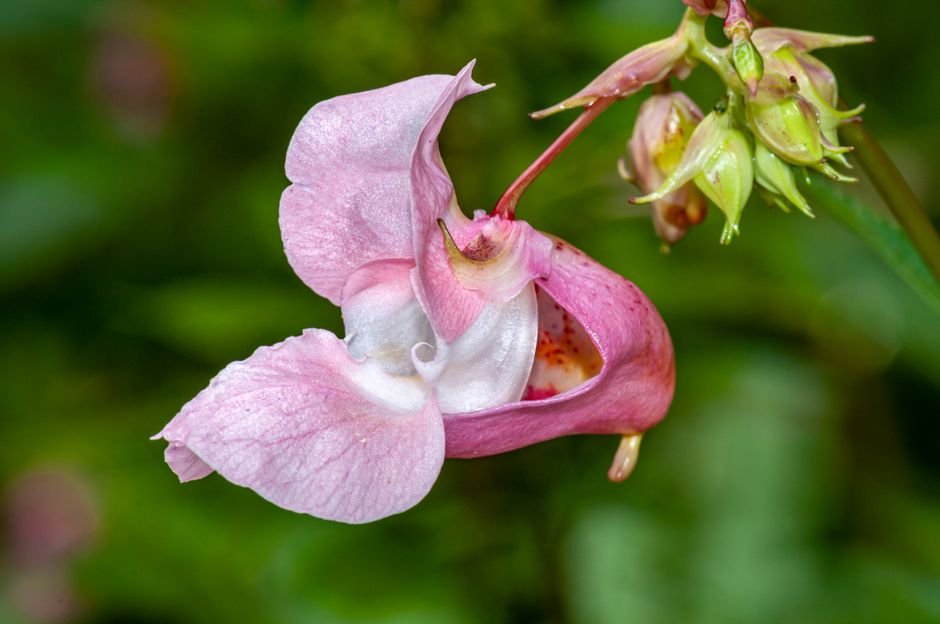

Imagine a plant so elusive, so deeply rooted in legend, that it vanishes from scientific record for over a century and a half. This isn’t a fantasy tale; it’s the incredible true story of a rare Himalayan flower, *Saussurea obvallata*, commonly known as the Brahma Kamal. Recently spotted in a remote valley in India after 158 years, its rediscovery has sent ripples of excitement through the botanical world, and for good reason. For US plant enthusiasts, this isn’t just a fascinating news item; it’s a profound lesson in resilience, adaptation, and the enduring mysteries of nature. Let’s delve into what this ‘lost’ flower can teach us about cultivating our own challenging beauties right here at home.
The Astonishing Rediscovery: A Botanical Time Capsule Unlocked
The news broke from the Himalayas: a team of botanists, following in the footsteps of a British explorer who last recorded the plant in 1862, successfully identified *Saussurea obvallata* thriving in a secluded alpine meadow. This incredible find marks the first documented sighting of the plant in India since the mid-19th century, making it a living botanical time capsule. The Brahma Kamal, revered in Hindu mythology and known for its distinctive, almost otherworldly bloom, had simply vanished from the known flora of the region for generations. Its reappearance highlights not only the vast, unexplored biodiversity of mountain ecosystems but also the persistent dedication of botanists who continue to unlock nature’s secrets, often in the most challenging terrains.
Meet the Brahma Kamal (*Saussurea obvallata*): A High-Altitude Enigma
The Brahma Kamal isn’t just any flower; it’s a spectacle. Belonging to the aster family (Asteraceae), this perennial herb is native to the high altitudes of the Himalayas, thriving in rocky crevices and moraines between 9,800 to 15,000 feet (3,000 to 4,600 meters). Its most striking feature is its large, papery, boat-shaped bracts (modified leaves) that enclose and protect the actual purple flower head. These bracts act like a natural greenhouse, shielding the delicate bloom from harsh winds, intense UV radiation, and freezing temperatures. It typically flowers during the monsoon season, from July to September, often at night, adding to its mystique. In India, it’s considered sacred, associated with Lord Brahma, and believed to bring good fortune.
“The rediscovery of *Saussurea obvallata* is a testament to the incredible resilience of alpine flora and a stark reminder of how much we still have to learn about our planet’s biodiversity. It’s a beacon of hope for conservation efforts worldwide.” – Dr. Elena Rodriguez, Alpine Botanist, Colorado State University.
Why Alpine Plants Thrive (and Struggle) – Lessons for Your US Garden
The Brahma Kamal’s ability to survive in such extreme conditions offers invaluable insights for US plant enthusiasts keen on cultivating hardy, drought-tolerant, or unique species. Alpine environments are characterized by intense sunlight, thin air, dramatic temperature swings, strong winds, and poor, well-draining soil. Plants that thrive here, like the Brahma Kamal, have evolved remarkable adaptations:
- Compact Growth: Many alpine plants grow low to the ground, forming cushions or mats to minimize exposure to wind and maximize warmth retention.
- Deep Taproots: To anchor themselves in rocky soil and access moisture deep below the surface.
- Hairy or Waxy Leaves: To reduce water loss through transpiration and protect against UV radiation.
- Rapid Life Cycles: Many bloom quickly during short growing seasons.
Understanding these adaptations is key to successfully growing similar plants in US gardens, especially in USDA Zones 3-7, where cold winters and rocky conditions might mimic some alpine challenges.
Bringing the Himalayas Home: Cultivating Alpine Wonders in the US
While the Brahma Kamal itself is exceedingly rare and protected, its rediscovery inspires us to explore and cultivate other magnificent alpine plants. Many high-altitude species are surprisingly resilient and can add unique beauty to your garden, particularly in rock gardens or specialized containers.
Crafting the Perfect Alpine Environment
The secret to successful alpine gardening in the US lies in mimicking their native habitat:
- Drainage is King: Alpine plants despise wet feet. Use a gritty, fast-draining soil mix. A good recipe might include equal parts loam, coarse sand, and grit (like crushed granite, pumice, or perlite). Avoid heavy garden soil. For container growing, ensure pots have ample drainage holes.
- Sun, Sun, Sun: Most alpine plants crave full sun, at least 6-8 hours daily. If you’re growing indoors during winter or starting seeds, full-spectrum LED grow lights from reputable brands like Barrina or Spider Farmer can provide the intense light needed.
- Temperature Swings: While they tolerate cold, many alpine plants need a period of winter dormancy. For plants in containers, ensure they are protected from extreme freeze-thaw cycles that can heave them out of the soil.
- Watering Wisely: Water deeply but infrequently, allowing the soil to dry out between waterings. Overwatering is a common killer.
- Nutrient Poverty: Alpine soils are naturally lean. Avoid heavy fertilization. A light top-dressing of compost or a slow-release granular fertilizer once a year is usually sufficient.
For US gardeners, creating a raised rock garden is an ideal way to provide the necessary drainage and mimic natural alpine scree slopes. Consider sourcing specialized tools like a narrow hand trowel and a soil sieve to perfect your planting medium.
Conservation in Bloom: Protecting Rare Species, Here and Abroad
The rediscovery of the Brahma Kamal underscores the critical importance of plant conservation. Every species plays a role in its ecosystem, and the loss of even one can have cascading effects. Climate change, habitat destruction, and unsustainable harvesting threaten countless species globally, including many in our own backyards.
The Role of Botanical Gardens and Citizen Scientists
US botanical gardens are vital hubs for ex-situ conservation, maintaining seed banks and living collections of rare and endangered plants. Supporting these institutions, whether through donations or volunteering, directly contributes to global conservation efforts. Moreover, citizen science initiatives, where everyday enthusiasts report sightings of specific plants or contribute data to biodiversity projects, can be incredibly powerful. Imagine if a casual hiker had been the one to spot the Brahma Kamal – it’s a reminder that every pair of eyes can make a difference.
When purchasing plants, always prioritize reputable nurseries that practice sustainable propagation and avoid wild-collected specimens. Tools like a soil pH testing kit can help you ensure your garden conditions are optimal for the specific needs of diverse plants, supporting their long-term health and vitality.
Beyond the Brahma Kamal: Other Alpine Beauties for US Enthusiasts
While *Saussurea obvallata* remains a distant dream for most, the world of alpine plants is rich with accessible alternatives perfect for US gardens. Here are a few to consider, many available from reputable US nurseries like Prairie Moon Nursery or Annie’s Annuals & Perennials:
- ***Sedum* species (Stonecrop):** Many varieties are incredibly cold-hardy and drought-tolerant, perfect for rock gardens.
- ***Sempervivum* species (Hen and Chicks):** Iconic succulents forming tight rosettes, thriving in poor, gritty soil and full sun.
- ***Saxifraga* species (Rockfoil):** A diverse genus with many alpine members forming beautiful cushions of foliage and delicate flowers.
- ***Gentiana* species (Gentians):** Known for their intense blue flowers, many alpine gentians require specific conditions but are incredibly rewarding.
- ***Dianthus alpinus* (Alpine Pink):** Low-growing, fragrant, and perfect for sunny, well-drained spots.
These plants, much like the Brahma Kamal, teach us about adaptation and survival against the odds. Their beauty is a testament to nature’s enduring power.
Key Data Points: *Saussurea obvallata* (Brahma Kamal)
| Attribute | Description |
|---|---|
| Scientific Name | *Saussurea obvallata* |
| Common Name | Brahma Kamal (Lotus of Brahma) |
| Family | Asteraceae (Daisy/Aster Family) |
| Native Habitat | High altitudes of the Himalayas (India, Nepal, Bhutan, Tibet) |
| Altitude Range | 9,800 – 15,000 feet (3,000 – 4,600 meters) |
| Last Recorded (India) | 1862 |
| Rediscovery Year | Recently confirmed (early 2020s, as per news trend) |
| Key Feature | Large, papery, boat-shaped protective bracts |
| Cultural Significance | Sacred in Hindu mythology, believed to bring good fortune. |
Frequently Asked Questions About Alpine Plants
Q: Can I grow the Brahma Kamal (*Saussurea obvallata*) in my US garden?
A: The Brahma Kamal is extremely rare, protected, and incredibly challenging to cultivate outside its specific high-altitude Himalayan habitat. It’s not commercially available. However, you can explore other beautiful and more accessible alpine plants that share similar growth habits and hardiness, as mentioned in the article.
Q: What are the biggest challenges when growing alpine plants?
A: The primary challenges are providing excellent drainage, mimicking intense sunlight, ensuring proper winter dormancy, and protecting against excessive moisture (especially in humid climates). Overwatering and heavy, poorly draining soil are common pitfalls.
Q: Do alpine plants need special soil?
A: Yes, they absolutely do! They require a very gritty, lean, and fast-draining soil mix. A common blend includes equal parts loam, coarse sand, and grit like pumice, perlite, or crushed granite. This prevents root rot and mimics their natural rocky environments.
Q: Where can I buy alpine plants or seeds in the US?
A: Reputable US nurseries specializing in rock garden plants, succulents, or native plants are good sources. Look for online retailers like Prairie Moon Nursery, Annie’s Annuals & Perennials, or local independent nurseries with a diverse selection. Always ensure they are sustainably sourced and not wild-collected.