
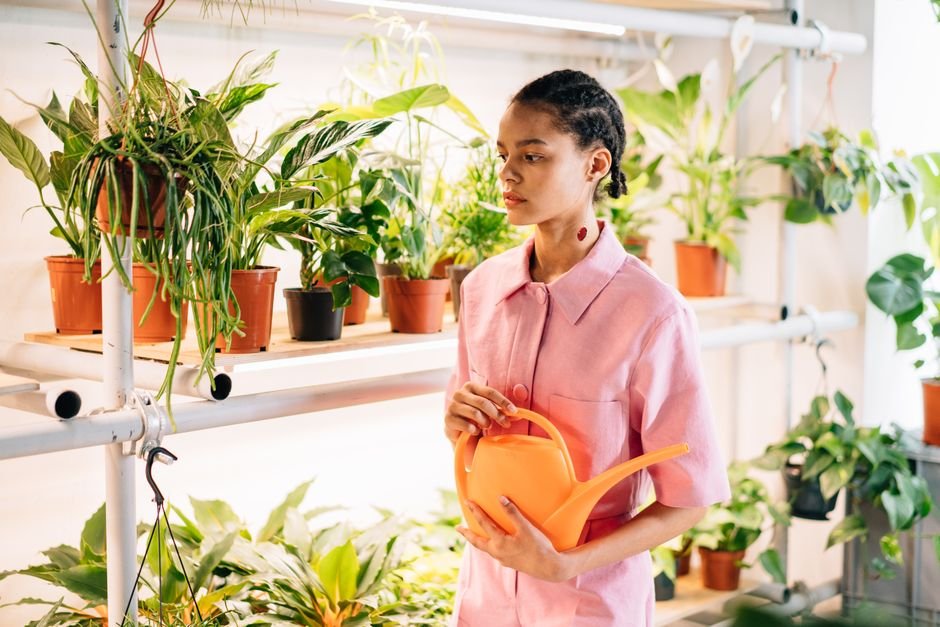

The plant world is abuzz with exciting news for families across the United States. Indoor Gardens, a prominent name in horticultural innovation, has officially launched its “Mini Gardener’s Club,” a groundbreaking initiative designed to introduce children to the wonders of plant care and cultivation. As reported by the Laredo Morning Times, this new club aims to foster a love for gardening from a young age, providing invaluable hands-on experiences that extend far beyond simply watering a plant. For US plant enthusiasts, this isn’t just a feel-good story; it’s a significant step towards nurturing the next generation of green thumbs and ensuring the continued vitality of our shared passion. At PlantsMag.com, we believe this program holds immense potential to transform how American families connect with nature, even within urban settings.
What is the Mini Gardener’s Club and Why It Matters
The Mini Gardener’s Club is more than just an after-school activity; it’s a comprehensive program offering age-appropriate gardening kits, educational materials, and interactive online resources tailored for children. Each month, members receive a themed box, complete with seeds, soil, small tools, and easy-to-follow instructions for growing specific plants. The focus is on accessible indoor gardening, making it perfect for homes in any US climate zone, from bustling city apartments to suburban houses. This initiative by Indoor Gardens addresses a growing need to reconnect children with the natural world, fostering curiosity, responsibility, and a sense of accomplishment. It’s an investment in environmental literacy and a practical way to engage young minds with STEM concepts through living lessons.
The Benefits of Gardening for Children: More Than Just Green Thumbs
Engaging children in gardening offers a wealth of developmental advantages. Beyond the obvious connection to nature, studies consistently show that gardening improves fine motor skills, enhances problem-solving abilities, and boosts self-esteem as children witness the tangible results of their efforts. For US families, it’s also a fantastic opportunity for quality time, turning a shared hobby into a bonding experience. Children learn patience as they wait for seeds to sprout, responsibility in caring for a living thing, and even basic nutrition when growing edible plants. In an increasingly digital world, the Mini Gardener’s Club provides a much-needed screen-free activity that encourages outdoor exploration (even if it’s just reaching for the windowsill) and a deeper understanding of ecological cycles.
“Introducing children to gardening early on cultivates a sense of wonder and respect for the natural world that can last a lifetime,” says Dr. Elena Rodriguez, a renowned horticultural therapist and educator. “Programs like the Mini Gardener’s Club are crucial for developing not just future gardeners, but future environmental stewards.”
Bringing the Green Indoors: Creating a Kid-Friendly Garden Space
You don’t need a sprawling backyard to foster a child’s love for plants. Indoor gardening is incredibly accessible, making it ideal for US households of all sizes. Start with a dedicated “mini garden zone” – a sunny windowsill, a corner with a small table, or even a shelf. Ensure it’s easily reachable by your child. Good lighting is crucial; if natural light is insufficient, consider a compact LED grow light, readily available at retailers like Lowe’s or Home Depot, to supplement. Choose child-safe, non-toxic plants, and opt for lightweight, durable pots. Make it a shared project: let your child help pick out containers, arrange the space, and even decorate plant markers. This sense of ownership is key to engagement.
Essential Tools and Supplies for Little Hands
For young gardeners, having their own set of appropriately sized tools makes the experience more enjoyable and safer. Look for plastic or blunt-tipped metal trowels, small watering cans with easy-to-grip handles, and sturdy gardening gloves designed for children. Many US nurseries and online retailers offer “kids’ gardening kits” that bundle these essentials. Beyond tools, quality potting mix is vital. Opt for a sterile, well-draining indoor potting mix to prevent pests and diseases. Brands like Miracle-Gro or Espoma offer excellent organic options. Don’t forget plant labels – a fun way for kids to track their plants’ names and planting dates!
Top 5 Easy-Care Plants for Young US Gardeners
Choosing the right plants is paramount to a child’s early success and enthusiasm. Here are five robust, forgiving options perfect for the Mini Gardener’s Club approach:
- Sunflowers (Dwarf Varieties): Fast-growing and visually rewarding, dwarf sunflowers like ‘Sunny Smile’ can thrive in pots and bring immense joy as they track the sun.
- Radishes: From seed to harvest in under a month! Radishes are incredibly satisfying for impatient young gardeners, offering a quick reward.
- Herbs (Basil, Mint, Chives): Aromatic, easy to grow, and edible. Kids love snipping herbs for family meals, connecting their efforts to the dinner table. Basil is particularly forgiving.
- Spider Plants: Exceptionally hardy and produce “spiderettes” that kids can easily propagate, teaching them about plant reproduction.
- Lettuce (Loose-leaf varieties): Quick to germinate and can be harvested leaf by leaf, providing continuous enjoyment and a healthy snack.
Choosing the Right Soil and Light for Success
For indoor plants, a high-quality, sterile potting mix specifically formulated for containers is essential. Avoid using garden soil, which can compact in pots and harbor pests. Look for mixes with perlite or vermiculite for good drainage. Most of the plants listed above prefer bright, indirect light. A south-facing window is often ideal in US homes. If natural light is limited, a small full-spectrum LED grow light (even a clip-on desk lamp style) can make a huge difference, ensuring robust growth and vibrant color. Remember to rotate plants periodically to ensure even growth.
Beyond the Club: Sustaining a Lifelong Love for Plants
While the Mini Gardener’s Club provides an excellent foundation, fostering a lifelong passion for plants goes beyond subscription boxes. Encourage your child to explore local community gardens, botanical gardens, or even a visit to a local nursery like your neighborhood independent garden center or a larger chain such as Home Depot or Lowe’s. Many US cities offer youth gardening programs or workshops during summer breaks. Consider gifting age-appropriate plant-themed books or even a simple magnifying glass for observing insects and plant details. The goal is to keep the curiosity alive and show that gardening is a continuous journey of discovery, learning, and connection to the natural world around us.
Key Data Points: Mini Gardener’s Club
| Feature | Detail |
|---|---|
| Launch Date | Recently announced (as per Laredo Morning Times) |
| Target Audience | Children (age-appropriate kits) |
| Program Type | Monthly subscription box + online resources |
| Focus | Indoor gardening, hands-on learning |
| Benefits | Cognitive, emotional, physical development; environmental literacy |
FAQ Section
What age range is the Mini Gardener’s Club designed for?
While specific age recommendations may vary by kit, the club generally targets elementary school-aged children (roughly 5-10 years old), with activities and instructions tailored to be engaging and achievable for this demographic. Younger children may enjoy it with more parental guidance.
Do I need special equipment for the indoor garden projects?
The club kits typically include essential seeds, soil, and basic tools. For optimal success, a sunny windowsill is often sufficient. However, if natural light is limited, a small, inexpensive LED grow light can be a valuable addition. You might also want a child-sized watering can and durable pots, which can be purchased at most US garden centers or online retailers.
Can the plants grown indoors eventually be moved outside?
Absolutely! Many plants started indoors, especially herbs and vegetables, can be transplanted to an outdoor garden or larger containers once they’ve established a strong root system and the weather permits (after the last frost date for your specific USDA hardiness zone). Always “harden off” plants by gradually exposing them to outdoor conditions over a week or two before permanent transplanting.
How can I encourage my child if their plants don’t grow as expected?
Gardening is full of learning opportunities, even when things don’t go perfectly! Emphasize that every gardener experiences setbacks. Use it as a chance to investigate what might have gone wrong (too much/little water, not enough light, etc.) and try again. The club’s resources and online community can also offer tips and encouragement. The most important thing is to keep the experience positive and fun.