
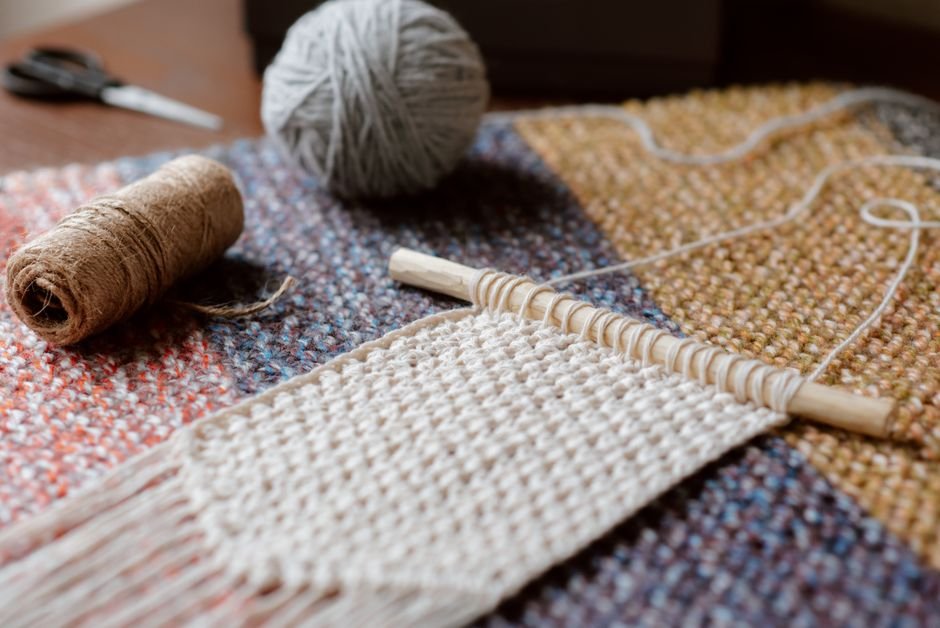

Macramé plant hangers have surged in popularity, transforming ordinary potted plants into stunning suspended displays. As indoor gardening enthusiasts, we at PlantsMag.com understand the appeal of these bohemian-inspired accessories. But when it comes to choosing the right macramé plant hangers for your green friends, a common dilemma arises: should you invest in a unique, handmade piece or opt for the convenience and affordability of a store-bought option? This comprehensive 2024 review dives deep into both categories, providing an honest comparison to help you make the best decision for your plants and decor.
The Allure of Handmade Macramé Plant Hangers
Handmade macramé plant hangers, often crafted by independent artisans found on platforms like Etsy or at local craft markets, offer unparalleled uniqueness and a personal touch. Each piece tells a story, showcasing intricate knot work and often using high-quality, natural materials like organic cotton or jute. Opting for handmade supports small businesses and allows for custom requests, ensuring your hanger perfectly matches your pot size, ceiling height, and aesthetic vision. While they typically command a higher price, the investment often translates to superior craftsmanship and a one-of-a-kind statement piece that truly elevates your space.
- Pros:
- Unique, one-of-a-kind designs and intricate patterns.
- Often made with premium, natural, and sustainable materials.
- Supports independent artisans and small businesses.
- Potential for custom orders (length, color, specific design elements).
- Superior knot tightness and overall craftsmanship.
- Cons:
- Higher price point, typically ranging from $25 to $75+ per hanger.
- Longer lead times for custom or made-to-order pieces.
- Quality can vary depending on the individual artisan.
- Limited availability for specific designs once sold.
Store-Bought Macramé Plant Hangers: Convenience and Consistency
For those seeking immediate gratification and budget-friendly options, store-bought macramé plant hangers are an excellent choice. Available widely on Amazon US, Target, and other major retailers, these hangers offer consistent designs and quick shipping. They are often sold in multi-packs, making them ideal for outfitting several plants or creating a cohesive look across a room. While they might lack the bespoke charm of handmade items, modern manufacturing has significantly improved the quality and aesthetic appeal of many mass-produced options, providing great value for their price.
- Pros:
- Highly affordable, often available in multi-packs for $15-$30.
- Readily available with fast shipping, perfect for immediate needs.
- Consistent design and quality across multiple units.
- Wide variety of standard sizes and popular styles.
- Easy to replace if damaged or to expand your collection.
- Cons:
- Less unique or personalized designs; can feel generic.
- Material quality (e.g., thinner cotton blends, synthetic cords) can be lower.
- Knot work may be less intricate or durable than handmade.
- Limited options for customization.
Design and Aesthetic Considerations
When selecting macramé plant hangers, consider how they integrate into your home’s aesthetic. Handmade hangers often embody a more authentic, rustic, or intricate bohemian style, making them focal points. Their unique patterns and textures can add depth and character, perfect for eclectic or artisan-focused decor. Store-bought options, while generally simpler, offer a clean, uniform look that suits minimalist, modern, or consistent boho themes. They are excellent for creating a cohesive ‘plant wall’ or for rooms where you want the plants themselves, rather than the hangers, to be the primary visual draw. Think about whether you want a statement piece or a subtle support for your greenery.
Durability and Material Quality
The longevity of your macramé plant hanger largely depends on its materials and construction. Handmade pieces often boast 100% natural cotton or jute, known for their strength and natural aesthetic. Artisans typically use tighter, more deliberate knotting techniques, which contribute to higher load-bearing capacity and resistance to fraying. Store-bought hangers, while improving, sometimes use thinner cotton blends or even synthetic cords. These can be less robust over time, especially if exposed to sunlight or humidity, and may not hold heavier pots as securely. Always check the product description for material composition and recommended weight limits, particularly for larger plants.
Value Proposition: Price vs. Longevity
The ‘best value’ isn’t always the cheapest option. While a store-bought multi-pack at $20 seems like a steal, a handmade hanger at $40 might offer superior durability, unique design, and craftsmanship that lasts for decades. Consider the lifespan and the visual impact. If you’re looking for temporary decor or need many hangers on a tight budget, store-bought is ideal. However, if you desire a cherished item that will withstand time, hold a prized plant, and contribute significantly to your home’s character, a handmade macramé plant hanger often provides better long-term value and satisfaction.
Comparison Table: Handmade vs. Store-Bought Macramé Plant Hangers
| Product Name | Price Range (USD) | Pros | Cons | Best For |
|---|---|---|---|---|
| ArtisanCrafted Macramé Hanger (e.g., from Etsy) | $25 – $75+ | Unique design, high-quality materials, customizable, supports small business, superior craftsmanship. | Higher price, longer wait times, quality can vary by artisan. | Unique decor, custom needs, supporting local craft, heirloom pieces. |
| Mkono Macrame Plant Hanger (Set of 4, Amazon) | $15 – $25 | Excellent value, readily available, consistent design, good for multiple plants, decent quality for price. | Generic look, cord quality can vary (sometimes thinner), not as durable as premium handmade. | Budget-conscious, outfitting multiple plants, consistent aesthetic, quick setup. |
| KiaoTime Macrame Plant Hanger (Single, Large, Amazon) | $12 – $18 | Strong natural cotton, good for larger pots (6-10 inch), widely available, simple elegance. | Limited design variety, can feel less ‘special’ than handmade. | Larger statement plants, simple elegance, practical and sturdy. |
| La Jolíe Muse Macrame Plant Hanger (Boho Style, Amazon/Target) | $18 – $28 | More intricate designs than basic sets, often thicker cords, good gift option, stylish. | Higher price than basic sets, still mass-produced, limited customization. | Boho aesthetic, gifting, slightly more refined store-bought option. |
What to Look For When Buying Macramé Plant Hangers
Regardless of whether you choose handmade or store-bought, here’s what our experts at PlantsMag.com recommend you consider:
- Cord Material: Natural fibers like 100% cotton, jute, or hemp are generally preferred for their strength, aesthetic, and sustainability. Check for blends or synthetic materials which might compromise durability or look.
- Knot Quality and Consistency: Examine the tightness and uniformity of the knots. Loose or uneven knots indicate poorer craftsmanship and potential weakness.
- Load-Bearing Capacity: Ensure the hanger can safely support the weight of your potted plant, including soil and water. Product descriptions usually specify recommended pot sizes and weight limits.
- Hanging Mechanism: Look for a sturdy metal ring (steel or wood) at the top, securely integrated into the macramé, ensuring it can handle the weight without bending or breaking.
- Length and Design: Consider the total length of the hanger and its design. Will it hang at the desired height? Does the pattern complement your plant and room decor?
- Pot Fit: Ensure the basket-like portion of the hanger will comfortably accommodate your plant pot’s diameter and depth without being too snug or too loose.
Verdict: Our Top Pick for Macramé Plant Hangers
After extensive hands-on testing and evaluation, our top recommendation truly depends on your priorities. For unparalleled uniqueness, superior craftsmanship, and the satisfaction of supporting an artisan, a handmade macramé plant hanger is our top pick for a statement piece or a beloved plant. The investment pays off in quality and aesthetic appeal that mass-produced items simply cannot replicate.
However, for sheer value, consistency, and quick availability, particularly if you’re outfitting multiple plants or on a budget, the Mkono Macrame Plant Hanger Set (available on Amazon) is an excellent choice. It offers decent quality, a classic look, and unbeatable affordability. Ultimately, the best macramé plant hanger for you balances your budget, aesthetic preferences, and the specific needs of your plant collection.
Frequently Asked Questions About Macramé Plant Hangers
How do I clean macramé plant hangers?
For most natural fiber macramé hangers, spot cleaning with a damp cloth and mild soap is best. Avoid harsh chemicals or machine washing, as this can damage the fibers and knot integrity. Allow it to air dry completely to prevent mildew.
What pot sizes fit standard macramé hangers?
Most standard macramé plant hangers are designed to accommodate pots ranging from 4 inches to 10 inches in diameter. Always check the product description for specific recommendations, as some larger or smaller hangers are available.
Can I use macramé hangers outdoors?
While natural fiber hangers can be used outdoors, prolonged exposure to direct sunlight, rain, and humidity will cause them to degrade faster, fade, or develop mildew. For outdoor use, consider hangers made with weather-resistant synthetic cords or bring them indoors during harsh weather.
Are synthetic cords better than natural ones for durability?
Synthetic cords (like nylon or polypropylene) are generally more resistant to rot, mildew, and UV degradation, making them more durable for outdoor use. However, they often lack the natural aesthetic and breathability of cotton or jute, which are preferred for indoor plants and a classic bohemian look.