
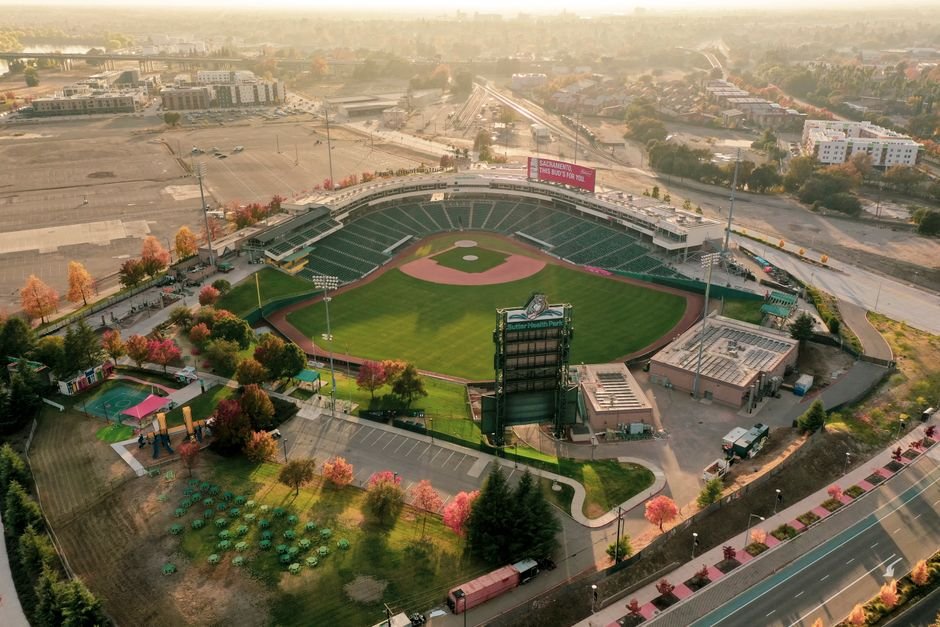

As a senior plant journalist and SEO strategist for PlantsMag.com, I’m always on the lookout for trends that marry our love for horticulture with community spirit. And right now, the buzz around the upcoming 2026 Milwaukee beer garden guide has us all excited! While OnMilwaukee is busy charting the best spots for a pint, we’re here to dive deep into the unsung heroes of these beloved outdoor spaces: the plants. Milwaukee’s beer gardens aren’t just about craft brews; they’re increasingly becoming vibrant, living showcases of urban greening, offering a refreshing botanical experience that US plant enthusiasts can appreciate and even replicate.
The movement to integrate more plants into public spaces, especially those centered around gathering and leisure, is a powerful one. Beer gardens, with their communal tables and relaxed atmosphere, are natural candidates for lush landscaping. For US plant lovers, this trend offers a wealth of inspiration, from hardy perennials that thrive in challenging conditions to creative container arrangements that maximize visual impact. Let’s explore how Milwaukee’s green spaces are setting a precedent and what lessons we can bring to our own backyards and patios.
The Green Heart of Milwaukee’s Beer Gardens: Why Plants Matter
Beyond mere aesthetics, plants in beer gardens play a crucial role in enhancing the overall experience for patrons and contributing to urban ecology. They provide natural shade, reduce ambient temperatures, absorb noise, and even improve air quality – all vital in bustling city environments. For a city like Milwaukee, largely sitting in USDA Hardiness Zone 5b, selecting robust, resilient plants is key. These green havens offer a sensory escape, creating a softer, more inviting atmosphere than concrete alone ever could. They transform a simple drinking spot into a mini-arboretum, sparking conversations and fostering a deeper connection with nature, even amidst urban clamor.
Top Plant Picks for Thriving Beer Gardens (and Your Backyard!)
The secret to a successful beer garden landscape lies in choosing plants that are not only beautiful but also tough, low-maintenance, and suited to the local climate. For Milwaukee’s Zone 5b, this means plants that can withstand cold winters and warm, humid summers, often in high-traffic areas or containers. Here are some favorites you’ll likely spot, offering inspiration for your own green spaces.
Perennial Powerhouses for Lasting Beauty
Perennials are the backbone of any sustainable landscape, returning year after year with minimal fuss. In beer gardens, they provide consistent structure and beauty, reducing the need for constant replanting.
- Hostas (Hosta spp.): With their incredible variety of leaf shapes, sizes, and colors, Hostas are perfect for shady spots. Their lush foliage creates a calming, verdant understory. They’re incredibly hardy and relatively pest-resistant.
- Coneflowers (Echinacea purpurea): These iconic prairie plants are drought-tolerant once established and bloom profusely from summer into fall. Their cheerful daisy-like flowers attract pollinators, adding ecological value.
- Sedum (Sedum spectabile ‘Autumn Joy’): A true workhorse, Sedum offers succulent foliage and late-season blooms that transition from pink to coppery-red. It thrives in full sun and poor soil, making it ideal for tough spots.
- Ornamental Grasses (e.g., Little Bluestem, Switchgrass): Providing texture, movement, and year-round interest, native ornamental grasses are incredibly resilient, drought-tolerant, and offer habitat for local wildlife.
Annual Accents and Pollinator Magnets
Annuals provide bursts of color and can be changed out seasonally, offering flexibility and dynamic visual appeal. Many are also excellent for attracting vital pollinators.
- Petunias (Petunia x hybrida): Cascading petunias are perfect for hanging baskets and containers, spilling over edges with vibrant color all season long. Look for disease-resistant varieties for best performance.
- Marigolds (Tagetes spp.): Easy to grow, marigolds come in sunny yellows, oranges, and reds. They’re known for deterring some garden pests and are excellent for adding cheerful pops of color.
- Salvia (Salvia splendens or Salvia farinacea): Available in brilliant reds, blues, and purples, Salvia varieties are hummingbird and bee magnets. They’re heat-tolerant and can bloom continuously with deadheading.
Designing with Nature: Crafting Inviting Green Spaces
Successful beer garden design goes beyond just planting; it involves creating an immersive experience. Think about vertical gardening with trellises adorned with climbing vines like native Virgin’s Bower (Clematis virginiana) or fragrant Clematis, maximizing green space in urban footprints. Container gardening is essential, allowing for flexibility and creating movable green walls. Large, sturdy planters made from recycled materials or durable plastics are often favored for their longevity and ease of maintenance. When choosing containers for your own space, consider self-watering planters available at retailers like Lowe’s or Home Depot, which significantly reduce watering frequency – a boon for busy gardeners.
“The key to a truly welcoming beer garden isn’t just the beer, it’s the environment,” says local landscape architect, Elena Rodriguez. “We strive to create ‘green rooms’ using plants, offering intimate nooks and grand vistas. It’s about designing for human comfort and ecological benefit simultaneously.”
Sustainable Sips: Eco-Friendly Practices in Beer Garden Horticulture
Many Milwaukee beer gardens are embracing sustainable practices, setting an example for home gardeners. This includes prioritizing drought-tolerant native plants that require less water and maintenance once established. Rainwater harvesting systems, like large rain barrels or cisterns, are often integrated to provide irrigation, reducing reliance on municipal water. Composting organic waste from the gardens and even kitchen scraps enriches the soil naturally, minimizing the need for synthetic fertilizers. For pest management, beneficial insects are encouraged, and organic pest control methods are preferred. When sourcing plants, local nurseries are often chosen, supporting local businesses and ensuring plants are well-adapted to the regional climate.
For your home garden, consider investing in organic potting mix, such as FoxFarm Ocean Forest, which provides excellent drainage and nutrients. Look for ergonomic gardening tools from brands like Fiskars or Corona, designed for comfort and efficiency, making sustainable practices easier to implement.
Bringing the Beer Garden Vibe Home: Your Own Green Sanctuary
Inspired by the lush landscapes of Milwaukee’s beer gardens, you can easily infuse your own outdoor (or even indoor) spaces with similar vibrancy. If you have a patio or balcony, embrace container gardening. Mix perennials with annuals for a dynamic display. For those with limited light indoors, consider starting seeds under a good quality grow light, like those from AeroGarden or Spider Farmer, to get a head start on your beer garden-inspired annuals. Create a small pollinator patch with Coneflowers, Salvia, and Bee Balm (Monarda spp.) to attract local wildlife. Even a small corner can be transformed into a relaxing “green room” with a few well-placed planters and a comfortable chair. The principles of hardy plant selection, sustainable care, and thoughtful design apply universally.
Milwaukee Beer Garden Plant Essentials
| Plant Name | Type | USDA Zone | Key Benefit | Care Level |
|---|---|---|---|---|
| Hosta | Perennial | 3-9 | Shade tolerant, lush foliage | Low |
| Coneflower | Perennial | 3-9 | Pollinator magnet, drought tolerant | Low |
| Sedum ‘Autumn Joy’ | Perennial | 3-9 | Late season interest, sun loving | Very Low |
| Ornamental Grass | Perennial | 3-9 (varies) | Texture, movement, native habitat | Low |
| Petunia | Annual | All | Vibrant cascading color | Medium |
| Salvia | Annual/Perennial | All/7-10 | Attracts hummingbirds, heat tolerant | Medium |
Frequently Asked Questions About Beer Garden Plants
What are the best plants for shady beer garden spots?
For shady areas, Hostas are an absolute must for their diverse foliage. Ferns, Astilbe, and Impatiens (though susceptible to downy mildew in some regions, so choose resistant varieties) are also excellent choices, providing texture and color where sunlight is scarce.
How do beer gardens manage watering large plant displays?
Many large public spaces, including beer gardens, utilize drip irrigation systems or soaker hoses for efficient watering. These systems deliver water directly to the plant roots, minimizing evaporation and saving water. Manual watering wands with adjustable nozzles are also used for targeted hydration.
Can I use native plants in my beer garden design?
Absolutely! Native plants are highly encouraged. They are naturally adapted to the local climate, require less water and fertilizer, and provide essential food and habitat for local pollinators and wildlife. For Milwaukee (Zone 5b), consider native options like Wild Geranium, Virginia Bluebells, or various native grasses.
What’s the easiest way to start a pollinator garden at home, inspired by beer gardens?
Start small! Dedicate a sunny corner to pollinator-friendly plants. Choose a mix of species that bloom at different times to provide continuous nectar and pollen. Excellent choices include Coneflowers, Bee Balm, Milkweed (for Monarchs!), and Salvia. Avoid pesticides and provide a shallow water source, like a bird bath.
The anticipation for the 2026 Milwaukee beer garden guide isn’t just about discovering new places to enjoy a brew; it’s also an invitation to observe and appreciate the incredible power of plants in shaping our urban landscapes. Whether you’re planning a trip to Milwaukee or simply looking to green up your own corner of the world, let the ingenuity and beauty of these botanical havens inspire your next gardening project. Cheers to more green spaces!