
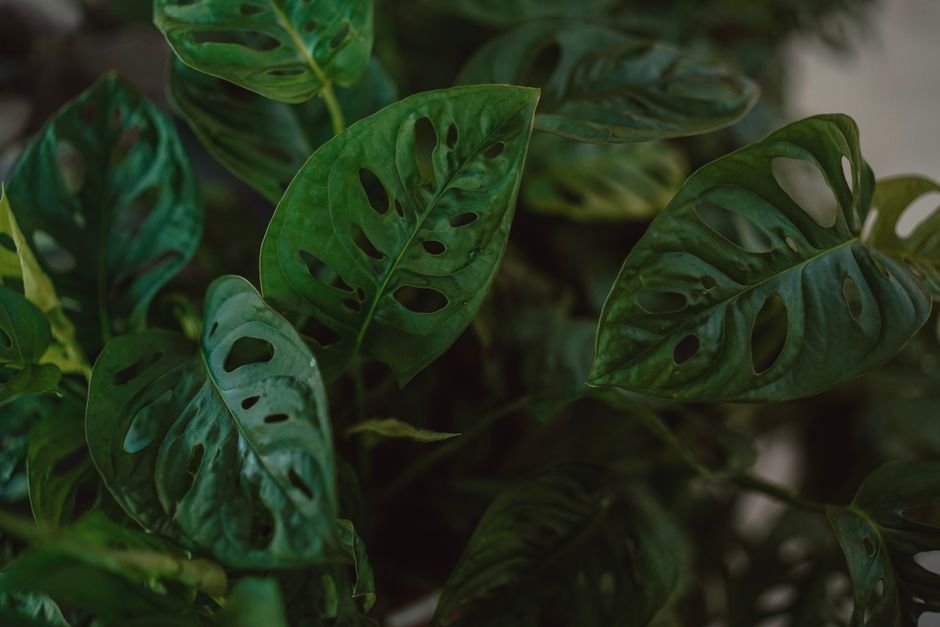

As a seasoned horticulturist and a passionate plant enthusiast, few genera capture the imagination quite like Monstera. Among the most sought-after species are the beloved Monstera Adansonii and its larger-than-life cousin, Monstera Deliciosa. Both are iconic for their unique fenestrations – the natural holes and splits in their leaves – and their ability to transform any indoor space into a lush, tropical oasis. However, despite their shared genus, these two Monsteras have distinct personalities when it comes to aesthetics, growth habits, and care requirements. If you’re pondering which of these magnificent aroids is the right fit for your home and lifestyle, you’ve come to the right place. This comprehensive guide will help you navigate the nuances of Monstera Adansonii vs Monstera Deliciosa, ensuring you make an informed decision for your next green companion.
Understanding Their Unique Aesthetics and Growth Habits
The first step in choosing your ideal Monstera is appreciating their visual differences. While both boast striking foliage, their overall appearance and how they grow vary significantly. Understanding these distinctions is crucial for envisioning how each plant will integrate into your living space.
Leaf Morphology and Fenestrations
The most striking difference lies in their leaves. Monstera Adansonii, often called the ‘Swiss Cheese Plant,’ features smaller, oval-shaped leaves (typically 2-5 inches long indoors) with distinct, often numerous, perforations or holes that rarely reach the leaf edge. These holes give it a delicate, lace-like appearance. In contrast, Monstera Deliciosa, sometimes erroneously called the ‘Split-Leaf Philodendron,’ showcases much larger, heart-shaped leaves that can grow up to 2-3 feet wide indoors with maturity. Its fenestrations typically manifest as deep splits (or ‘lobes’) from the leaf edge towards the midrib, creating a dramatic, architectural statement.
Growth Form and Mature Size
Monstera Adansonii is a vining plant by nature, eager to climb or trail. In its natural habitat, it uses aerial roots to ascend trees, and indoors, it will happily sprawl or climb a moss pole or trellis. It tends to be more compact overall, making it suitable for smaller spaces or hanging baskets. Monstera Deliciosa, while also an epiphyte that climbs, exhibits a more robust, bushy growth habit. It grows significantly larger, often becoming a commanding floor plant that requires substantial space as it matures. Its thick, sturdy stems and massive leaves are designed to make a grand statement, evolving into a true specimen plant over time.
Essential Care Requirements: A Side-by-Side Comparison
While both Monsteras appreciate similar tropical conditions, their specific needs for light, water, humidity, and soil can differ. Tailoring your care routine to the plant’s exact preferences is key to its thriving. Here’s a comparative look at their essential requirements:
| Care Aspect | Monstera Adansonii | Monstera Deliciosa |
|---|---|---|
| Light | Bright, indirect light. Can tolerate slightly lower light but may lose fenestrations. Avoid direct sun. | Bright, indirect light is ideal. Can handle a bit more direct morning sun than Adansonii. |
| Water | Water when the top 1-2 inches of soil are dry. More frequent watering than Deliciosa due to smaller root ball. | Water thoroughly when the top 2-3 inches of soil are dry. Less frequent watering needed due to larger volume of soil. |
| Humidity | Prefers high humidity (60%+). Benefits greatly from a humidifier or pebble tray. | Prefers moderate to high humidity (50-70%). Tolerates average household humidity better than Adansonii. |
| Soil | Well-draining, airy aroid mix. Mix of potting soil, perlite, orchid bark, and coco coir works well. | Chunky, well-draining aroid mix. Similar components, perhaps a slightly coarser mix to support larger roots. |
| Temperature | 65-80°F (18-27°C). Avoid temperatures below 60°F. | 65-85°F (18-29°C). Hardy in USDA Zones 10-12 outdoors; indoors year-round. |
| Fertilizer | Balanced liquid fertilizer (e.g., Dyna-Gro Grow) diluted to half strength every 2-4 weeks during growing season. | Balanced liquid fertilizer (e.g., Liqui-Dirt or FoxFarm Grow Big) every 3-4 weeks during spring/summer. |
Propagation and Potting: Expanding Your Monstera Collection
Both Monstera Adansonii and Monstera Deliciosa are relatively easy to propagate, allowing you to expand your collection or share with friends. Repotting is also a straightforward process, though the sheer size of a mature Deliciosa can make it a bit more of a workout!
Simple Steps for Successful Propagation
Stem cuttings are the most reliable method for propagating both species. Here’s how to do it:
- Select a Healthy Stem: Choose a stem with at least 2-3 leaves and a visible node (a small bump where a leaf or aerial root emerges).
- Make a Clean Cut: Using clean, sharp shears or a knife, cut about half an inch below a node.
- Remove Lower Leaves: If the cutting has leaves below the node, remove them to prevent rot when submerged.
- Choose Your Medium: You can root cuttings in water, moist sphagnum moss, or a light perlite/soil mix. Water is often easiest for beginners.
- Provide Ideal Conditions: Place cuttings in a warm spot with bright, indirect light. Change water every few days if using water propagation.
- Pot When Rooted: Once roots are 1-2 inches long (usually 2-6 weeks), pot the cutting into a well-draining aroid mix.
Repotting Best Practices
Repot your Monstera when it becomes root-bound, typically every 1-2 years. Choose a pot that is only 1-2 inches larger in diameter. For M. Deliciosa, consider a sturdy pot that can support its eventual size. Use a high-quality, well-draining potting mix, ideally one formulated for aroids, such as a blend of Espoma Organic Potting Mix, perlite, and orchid bark. When repotting, gently loosen the root ball, add fresh soil to the bottom of the new pot, position the plant, and fill around the roots. Water thoroughly after repotting.
Common Challenges and Solutions for Both Species
Even with the best care, Monsteras can encounter issues. Understanding common problems can help you quickly address them and keep your plants thriving.
- Yellowing Leaves: Often a sign of overwatering or nutrient deficiency. Check soil moisture with a moisture meter like the XLUX T10. If soil is wet, reduce watering. If dry, consider a balanced fertilizer.
- Brown Leaf Tips/Edges: Usually indicates low humidity or inconsistent watering. Increase humidity with a humidifier or pebble tray. Ensure consistent watering.
- Lack of Fenestrations: For both species, insufficient light is the primary culprit. Move your plant to a brighter spot or supplement with a grow light (e.g., a SANSI LED Grow Light).
- Pests: Common pests include spider mites, mealybugs, and thrips. Inspect your plants regularly. Treat infestations with neem oil, insecticidal soap, or sticky traps.
- Drooping Leaves: Can signify both underwatering (leaves will perk up after watering) and overwatering (leaves remain droopy and may yellow). Check soil moisture.
Which Monstera Is Right for You? Making an Informed Decision
Now that you’re well-versed in the specifics of Monstera Adansonii and Monstera Deliciosa, it’s time to decide which one (or both!) will best suit your home and plant parenting style.
- Choose Monstera Adansonii if:
- You have limited space or prefer a vining plant for a hanging basket or shelf.
- You enjoy a plant with a delicate, lacy aesthetic.
- You’re prepared to provide higher humidity or enjoy misting your plants.
- You’re looking for a slightly more compact and manageable Monstera.
- Your budget is around $15-$40 for a small to medium plant.
- Choose Monstera Deliciosa if:
- You have ample space for a large, statement-making floor plant.
- You appreciate dramatic, deeply split foliage and a robust, architectural form.
- You can provide bright, indirect light and are comfortable with a plant that needs less frequent watering.
- You’re ready for a plant that grows quickly and becomes a focal point.
- Your budget is around $20-$70 for a medium to large plant, though mature specimens can cost more.
Ultimately, both Monsteras are incredibly rewarding houseplants. Your choice comes down to personal aesthetic preference, the space you have available, and your commitment to their specific care needs. Whichever you choose, prepare to be captivated by these stunning tropical beauties!
Frequently Asked Questions About Monstera Plants
Are Monstera plants toxic to pets?
Yes, both Monstera Adansonii and Monstera Deliciosa are toxic to pets (and humans) if ingested. They contain calcium oxalates, which can cause irritation to the mouth, throat, and digestive tract. Keep them out of reach of curious pets and children.
How fast do these Monsteras grow?
Both species are relatively fast growers under ideal conditions. Monstera Deliciosa tends to put on size more dramatically due to its larger leaves and thicker stems, while Monstera Adansonii will vine quickly. Providing adequate light, humidity, and nutrients will encourage vigorous growth for both.
Can I put my Monstera Adansonii or Deliciosa outdoors?
In the US, Monsteras can be grown outdoors in USDA Hardiness Zones 10-12 year-round, which includes parts of Florida, Southern California, and Hawaii. In other zones, they can be moved outdoors to a shaded or partly shaded spot during warm summer months (when temperatures are consistently above 60°F), but must be brought indoors before cold weather hits.
Do Monsteras need a moss pole or support?
While not strictly necessary, providing a moss pole or trellis is highly beneficial for both species, especially Monstera Deliciosa. It encourages larger leaf growth, better fenestrations, and a more upright, natural growth habit by allowing their aerial roots to attach, mimicking their natural climbing behavior.
What’s the main difference in watering needs?
Monstera Adansonii generally requires slightly more frequent watering than Monstera Deliciosa. This is often due to its smaller root ball and the tendency for smaller pots to dry out faster. Always check the soil moisture before watering; both prefer to dry out a bit between waterings to prevent root rot.