
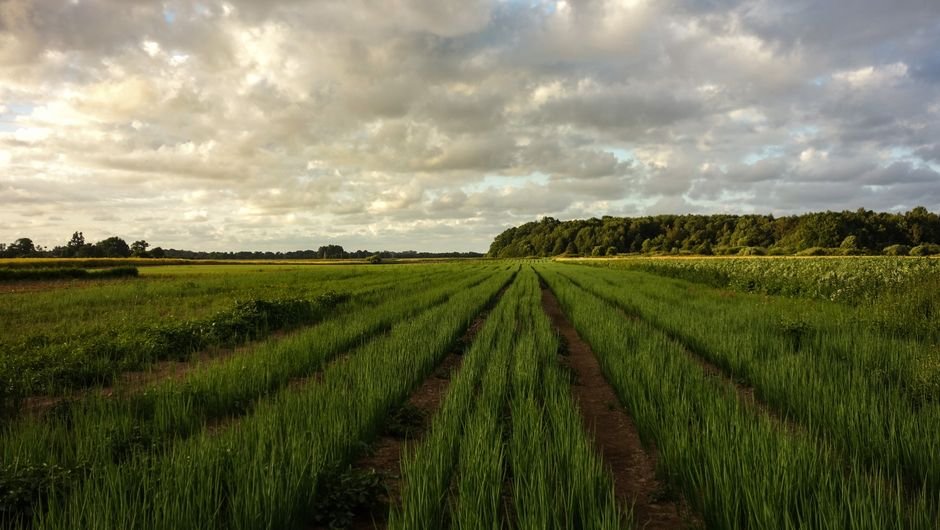

As a plant journalist, I’m always on the lookout for stories that spark our imagination and challenge our gardening norms. The recent buzz around a Norfolk field in the UK, left untouched for over a decade, is one such tale. Imagine: no plowing, no planting, no human intervention whatsoever. What emerged from this experiment in natural regeneration offers profound lessons for us US plant enthusiasts about the power of rewilding, no-till gardening, and fostering biodiversity right in our own backyards.
This isn’t just a fascinating anecdote from across the pond; it’s a living blueprint for how we can cultivate more resilient, vibrant, and ecologically rich gardens here in America. From urban balconies to sprawling suburban plots, the principles of letting nature lead can transform your plant-care approach.
The Norfolk Field Phenomenon: A Decade of Natural Restoration
The story out of Norfolk, UK, is simple yet revolutionary. Since 2005, a field was deliberately left alone. For over a decade, no seeds were sown, no soil was tilled, and no crops were harvested. What happened? Nature, given free rein, began to heal and diversify. The field, once monocultural, transformed into a mosaic of wildflowers, grasses, and emergent shrubs. This hands-off approach allowed dormant seed banks to awaken, beneficial insects to thrive, and local wildlife to find new habitats. It’s a testament to the incredible regenerative capacity of ecosystems when human interference is minimized or removed entirely. This natural experiment provides a compelling argument for embracing more ecological gardening practices.
Rewilding Your Backyard: Small Steps, Big Impact
Inspired by the Norfolk field, rewilding your backyard doesn’t mean letting your entire garden go wild. It’s about intentionally creating spaces where nature can flourish with minimal intervention. For US plant lovers, this means shifting from a purely aesthetic focus to one that also prioritizes ecological function. Start small: designate a corner of your yard, a raised bed, or even a large container for a mini-rewilding project. Reduce mowing in certain areas, allow native plants to self-seed, and embrace a little glorious messiness. The goal is to support local ecosystems, providing food and shelter for pollinators and other beneficial wildlife.
Choosing Native Plants for US Zones
The cornerstone of successful rewilding in the US is the strategic use of native plants. These species are adapted to your specific USDA hardiness zone and local climate, requiring less water, fertilizer, and pest control. They also provide essential food and habitat for native insects and birds, forming the base of a healthy ecosystem. For example, if you’re in USDA Zone 7, consider planting native coneflowers (Echinacea purpurea), milkweed (Asclepias spp.) for monarch butterflies, or switchgrass (Panicum virgatum) for texture and wildlife cover. You can find excellent native plant resources at your local independent nurseries, through organizations like Wild Ones, or even larger retailers like Lowe’s and Home Depot are expanding their native plant selections. Always check plant tags for origin and growing conditions.
No-Till Gardening: The Soil’s Best Friend
A key takeaway from the Norfolk field is the benefit of undisturbed soil. Tilling, while seemingly helpful, disrupts the intricate web of fungi, bacteria, and other microorganisms that form a healthy soil food web. No-till gardening, by contrast, focuses on building soil health from the top down. Instead of turning over the soil, you add organic matter to the surface, mimicking how nature builds soil in forests and meadows. This practice improves soil structure, increases water retention, reduces erosion, and sequesters carbon. For US gardeners, adopting no-till methods can lead to healthier plants, fewer weeds, and less work in the long run.
Compost and Mulch: Your Rewilding Allies
To succeed with no-till, compost and mulch are your best friends. A generous layer of organic compost (homemade or purchased from your local garden center) provides a slow-release nutrient source and inoculates your soil with beneficial microbes. Follow this with a layer of organic mulch – think wood chips, shredded leaves, or straw. Mulch suppresses weeds, conserves soil moisture, regulates soil temperature, and breaks down over time to further enrich the soil. Consider investing in a good quality broadfork for aeration without inversion, or even just a sturdy hand trowel for planting through the mulch layer. Brands like Espoma or Dr. Earth offer excellent organic soil amendments to kickstart your no-till journey.
Boosting Biodiversity: Why It Matters for Your Garden
The Norfolk field’s transformation into a diverse ecosystem highlights the critical importance of biodiversity. A biodiverse garden is a resilient garden. It’s less susceptible to pest outbreaks because natural predators are present, and it’s more productive thanks to efficient pollination. For US homeowners, creating a biodiverse space means welcoming not just pretty flowers, but also the insects, birds, and small animals that contribute to a balanced ecosystem. This includes planting a variety of native flowering plants for continuous bloom, providing water sources, and creating shelter with native shrubs and brush piles. Remember, a thriving garden isn’t just about what you plant, but also who you invite in.
Tools and Techniques for the Modern Rewilder
Embracing rewilding and no-till gardening doesn’t mean abandoning all your tools; it means choosing them wisely. For minimal soil disturbance, a broadfork is an excellent investment for aerating compacted soil without flipping layers. When planting, a sturdy hand trowel or a soil knife can help you create planting holes through mulch. For starting native seeds indoors, especially those requiring cold stratification, a good quality grow light can be invaluable before transplanting them outdoors. Look for full-spectrum LED grow lights from brands like AeroGarden or Mars Hydro. Don’t forget durable gardening gloves and a watering can for targeted hydration. Many of these essential tools can be found at US retailers like Home Depot, Lowe’s, or specialty online garden suppliers.
“The Norfolk field story is a powerful reminder that sometimes the best thing we can do for our gardens and our planet is to step back and trust in nature’s incredible capacity for regeneration. It’s not about doing less; it’s about doing differently, with intention and ecological understanding.” – Dr. Elena Rodriguez, renowned horticultural ecologist.
Key Differences: Norfolk Field vs. Intentional US Rewilding
| Feature | Norfolk Field (Untouched) | Intentional US Rewilding (Backyard) |
|---|---|---|
| Intervention Level | Zero human intervention | Minimal, strategic human intervention |
| Initial State | Monocultural agricultural land | Existing garden, lawn, or disturbed area |
| Primary Goal | Observe natural regeneration | Enhance biodiversity, soil health, aesthetics |
| Plant Selection | Dormant seed bank, wind-blown | Primarily native, locally appropriate plants |
| Pest/Disease Control | Natural balance develops | Foster natural predators, healthy soil |
| Timeframe for Change | Years to decades for full ecosystem | Visible changes within months, significant in years |
Frequently Asked Questions About Rewilding Your US Garden
What’s the difference between ‘rewilding’ and just letting my garden go wild?
Rewilding is an intentional process, not just neglect. It involves strategic choices like planting native species, reducing mowing in specific areas, and creating habitats. Letting your garden ‘go wild’ might result in invasive weeds taking over, while rewilding focuses on supporting beneficial, native ecosystems.
Will rewilding attract unwanted pests or animals to my yard?
While rewilding encourages wildlife, it generally attracts beneficial insects, pollinators, and birds. A healthy, biodiverse ecosystem often self-regulates, with natural predators keeping common garden pests in check. If you’re concerned about specific animals, research native plant choices that deter them, or use humane deterrents.
How do I start rewilding if I have a small urban garden or balcony?
Even small spaces can be rewilded! Focus on native container plants that support pollinators, create a small ‘insect hotel,’ or dedicate a pot to native wildflowers. Reduce soil disturbance in your containers and use organic compost and mulch. Every little bit helps build a network of green spaces.
What are some easy native plants for beginners in the US?
For many US zones, excellent beginner native plants include Black-eyed Susan (Rudbeckia hirta), Purple Coneflower (Echinacea purpurea), various types of native milkweed (Asclepias spp.), and aster varieties. Always check with your local extension office or native plant society for species best suited to your specific region and USDA zone.
The Norfolk field serves as a powerful testament to nature’s resilience and capacity for self-restoration. For US plant lovers, it’s an invitation to rethink our relationship with our gardens. By embracing principles of rewilding and no-till practices, and by prioritizing native plants and biodiversity, we can transform our personal green spaces into thriving ecosystems. Let’s take inspiration from this decade-long experiment and cultivate gardens that are not only beautiful but also ecologically robust, contributing positively to our local environments for years to come.