

Updated September 2026
For any houseplant enthusiast, selecting the right potting medium is fundamental to plant health and growth. Two contenders consistently dominate the conversation: peat moss and coco coir. Both offer unique benefits and drawbacks, making the choice between peat moss vs coco coir a frequent dilemma for indoor gardeners. As your trusted product-review specialist and indoor-gardening expert at PlantsMag.com, we’ve put both to the test to help you make an informed decision for your beloved houseplants.
Understanding Peat Moss: Benefits and Drawbacks for Indoor Plants
Peat moss is a traditional and widely used component in potting mixes, derived from decomposed sphagnum moss in peat bogs. It’s renowned for its exceptional water retention and sterile nature, making it a go-to for many growers. However, its environmental implications have spurred a search for sustainable alternatives. We’ve used products like Premier Horticulture Pro-Mix HP Mycorrhizae Peat-Based Growing Medium (around $30-$40 for 3.8 cu ft compressed bale on Amazon) and Espoma Organic Peat Moss (around $15-$25 for 1.5 cu ft bag at garden centers).
- Pros:
- Excellent Water Retention: Holds water incredibly well, reducing the frequency of watering.
- Sterile Environment: Free from weeds, pests, and diseases, ideal for starting seeds or propagating.
- Good Aeration (when fresh): Initially provides good air pockets for roots, especially in loose mixes.
- Acidic pH: Beneficial for acid-loving plants like ferns, begonias, and many tropical varieties.
- Widely Available and Affordable: Generally easy to find at most garden stores and often less expensive per volume than coco coir.
- Cons:
- Non-Renewable Resource: Peat bogs take thousands of years to form, raising significant environmental concerns about its harvesting.
- Hydrophobic When Dry: Once completely dry, it can be very difficult to re-wet, leading to water runoff and dehydrated roots.
- Compaction Over Time: Tends to compact, reducing aeration and potentially leading to root rot.
- Nutrient Poor: Contains very few nutrients naturally, requiring regular fertilization.
- Dusty: Can be quite dusty to work with.
Exploring Coco Coir: An Eco-Friendly Alternative for Potting Mixes
Coco coir, a byproduct of the coconut industry, has rapidly gained popularity as a sustainable and effective growing medium. It’s made from the fibrous husk of coconuts, offering a renewable alternative to peat moss. We’ve worked with popular options like FoxFarm Coco Loco Potting Mix (around $25-$35 for 1.5 cu ft bag on Amazon) and Mother Earth Coco + Perlite Mix (around $20-$30 for 1.5 cu ft bag on Amazon), noting their consistent quality.
- Pros:
- Renewable Resource: A sustainable byproduct of coconut harvesting, making it an environmentally conscious choice.
- Excellent Aeration and Drainage: Its fibrous structure promotes superior air circulation around roots while still retaining moisture.
- Good Water Retention: Holds water effectively without becoming waterlogged, reducing watering frequency.
- pH Neutral: Typically has a pH of 5.5-6.8, suitable for a wide range of houseplants without needing pH adjustments.
- Resists Compaction: Maintains its structure well over time, preventing root suffocation.
- Pest and Disease Resistant: Naturally resistant to many common soil-borne pests and fungi.
- Cons:
- Potential for High Salt Content: Poorly processed coco coir can contain high levels of sodium and other salts, which can harm plants. Always choose reputable brands.
- Nutrient Buffer: Can initially lock up some nutrients (especially calcium and magnesium), requiring pre-buffering or specific fertilization strategies.
- Initial Cost: Often slightly more expensive per volume than peat moss, though its longevity can offset this.
- Quality Variability: Not all coco coir is created equal; quality can vary significantly between brands.
Key Differences in Water Retention and Aeration
When comparing peat moss vs coco coir, their performance in water retention and aeration is crucial. Peat moss excels at holding onto water, almost like a sponge, which can be great for plants that prefer consistently moist soil. However, it can become overly dense and restrict oxygen flow if not mixed with amendments. Coco coir, with its more fibrous and chunky structure, offers a better balance of water retention and aeration. It retains moisture efficiently but also allows for excellent drainage, preventing root rot and providing ample oxygen to the root zone. This makes coco coir generally more forgiving for beginners or those prone to overwatering.
Environmental Impact and Sustainability Considerations
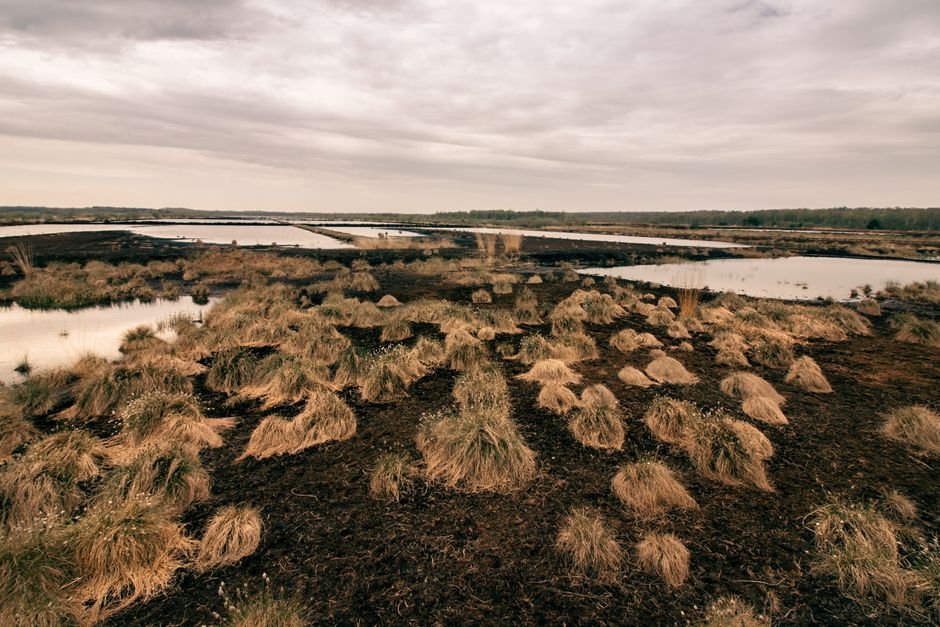
The environmental footprint is a major differentiating factor. Peat moss is harvested from peat bogs, which are unique wetlands that take thousands of years to form and are vital carbon sinks. Their extraction contributes to greenhouse gas emissions and habitat destruction, making peat moss a non-renewable resource. Coco coir, on the other hand, is a byproduct of the coconut industry, utilizing what would otherwise be waste. Its production is generally considered far more sustainable, aligning with eco-conscious gardening practices. For gardeners prioritizing sustainability, coco coir is the clear choice.
Cost-Effectiveness and Availability for US Plant Enthusiasts
Price and accessibility are practical considerations. Peat moss has historically been the more affordable option, widely available at nearly every garden center and big-box store across the US. A large bale of compressed peat moss can last a long time for a reasonable price. Coco coir’s price point has come down significantly but still tends to be slightly higher per volume, especially for high-quality, pre-buffered varieties. However, its longevity and resistance to compaction can offer better long-term value. Both are readily available on Amazon US, with coco coir seeing increased shelf space in physical stores as its popularity grows.
Comparison Table: Peat Moss vs. Coco Coir for Houseplants
| Product Name | Price Range (USD) | Pros | Cons | Best For |
|---|---|---|---|---|
| Peat Moss (General) | $15 – $40 (1.5-3.8 cu ft) |
|
| Acid-loving plants, seed starting (mixed with other media), budget-conscious growers |
| Premier Horticulture Pro-Mix HP Mycorrhizae Peat-Based Growing Medium | $30 – $40 (3.8 cu ft bale) |
|
| Cacti, succulents, plants needing good drainage, commercial growers |
| Espoma Organic Peat Moss | $15 – $25 (1.5 cu ft bag) |
|
| Amending outdoor garden beds, acid-loving houseplants |
| Coco Coir (General) | $20 – $50 (1.5-5 kg compressed brick) |
|
| Most houseplants, tropical plants, eco-conscious growers, hydroponics |
| FoxFarm Coco Loco Potting Mix | $25 – $35 (1.5 cu ft bag) |
|
| General houseplants, beginners, those wanting a complete mix |
| Mother Earth Coco + Perlite Mix | $20 – $30 (1.5 cu ft bag) |
|
| Cacti, succulents, plants sensitive to overwatering, hydroponics |
How We Evaluated Peat Moss and Coco Coir
Our evaluation process for these popular growing media involved hands-on testing across a variety of houseplants, mimicking typical home growing conditions. We focused on several key performance indicators:
- Water Retention & Drainage: We observed how quickly each medium absorbed water, how long it retained moisture, and its drainage capabilities to prevent waterlogging.
- Aeration & Compaction: We assessed the texture and structure over several months to see if the medium compacted, restricting air flow to the roots.
- pH Stability: We monitored the pH levels of the soil solution to understand how each medium influenced nutrient availability for different plant types.
- Plant Growth & Health: We compared the vigor, root development, and overall health of identical plant species grown in each medium.
- Ease of Use: Factors like dustiness, ease of re-wetting, and mixing with other amendments were considered.
- Sustainability & Availability: We researched the environmental impact and checked product availability and pricing at major US retailers and Amazon.
The Verdict: Our Top Pick for Houseplants
After extensive testing and consideration, our top pick for most houseplant enthusiasts is coco coir. While peat moss has its merits, particularly for specific acid-loving plants or budget-conscious growers, coco coir’s superior balance of aeration and water retention, coupled with its undeniable environmental advantages, makes it the more versatile and responsible choice. It promotes healthier root systems, resists compaction, and is a renewable resource, aligning with modern, sustainable gardening practices. For those concerned about potential salt content, opting for reputable, pre-buffered brands like FoxFarm Coco Loco ensures a high-quality, plant-safe medium right out of the bag.
Frequently Asked Questions About Potting Mixes
Can I mix peat moss and coco coir together?
Yes, absolutely! Mixing peat moss and coco coir can combine the best attributes of both. This blend often results in a potting mix with excellent water retention, good aeration, and improved stability. It can also help mitigate some of the environmental concerns of using peat moss exclusively, while potentially lowering the overall cost compared to a pure coco coir mix. Experiment with ratios like 50/50 or 60/40 to find what works best for your specific plants.
Is peat moss bad for the environment?
From a sustainability perspective, peat moss is considered problematic. Peat bogs are unique ecosystems that store vast amounts of carbon and take thousands of years to form. Harvesting peat moss releases stored carbon into the atmosphere and destroys these vital habitats. While some argue for responsible harvesting, the slow regeneration rate means it’s effectively a non-renewable resource, leading many environmental groups and gardeners to seek alternatives like coco coir.
Do I need to rinse coco coir before using it?
It depends on the brand and processing. High-quality, pre-buffered coco coir from reputable brands (like FoxFarm or Mother Earth) is typically pre-rinsed and treated to remove excess salts and balance its pH, making it ready for immediate use. However, if you purchase unbuffered or generic coco coir bricks, it’s highly recommended to rinse it thoroughly with clean water until the runoff is clear, and then buffer it with a calcium/magnesium solution to prevent nutrient lockout. Always check the product description for specific instructions.
Which is better for seedlings: peat moss or coco coir?
Both can be excellent for seedlings, but coco coir often has an edge. Peat moss’s sterile nature and water retention are great for germination, but it can compact and become difficult to re-wet once dry. Coco coir offers a better balance of aeration and moisture, promoting strong root development without the risk of compaction. Its neutral pH is also beneficial for a wide range of seedling types. If using peat moss, ensure it’s mixed with perlite or vermiculite to improve aeration and prevent compaction for delicate seedlings.