
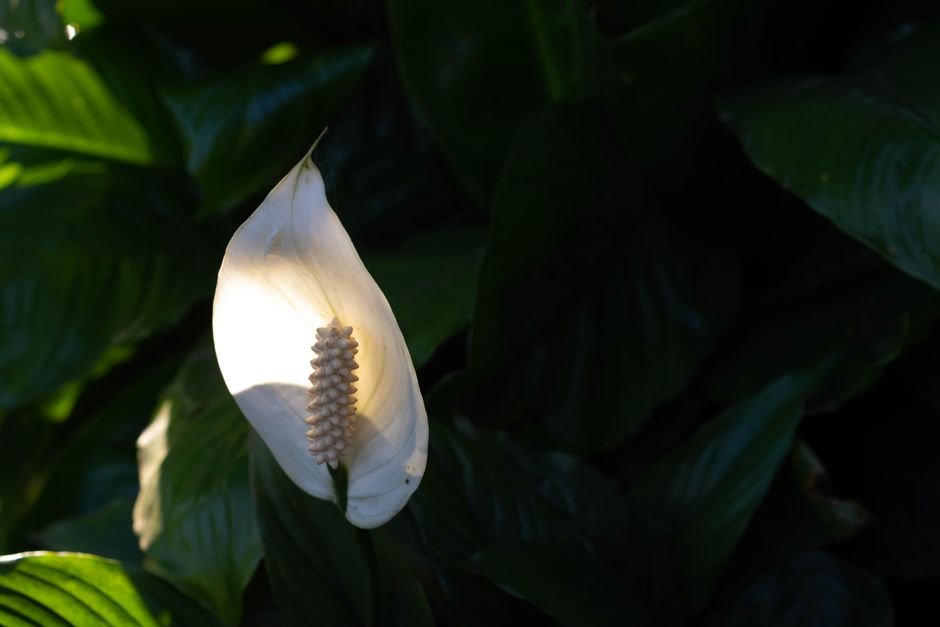

Welcome, fellow plant enthusiasts! As a senior horticulturist, I’m thrilled to share my insights on cultivating one of the most beloved and rewarding houseplants: the Spathiphyllum, commonly known as the Peace Lily. Renowned for its elegant white ‘blooms’ (which are actually modified leaves called spathes) and lush green foliage, the Peace Lily is a symbol of peace and purity, making it a perfect addition to any indoor space. This comprehensive Spathiphyllum Peace Lily expert care guide will equip you with the knowledge to ensure your plant not only survives but truly thrives, bringing a touch of tropical serenity to your home.
Understanding Your Spathiphyllum Peace Lily
The Peace Lily (Spathiphyllum spp.) is a genus of around 47 species of monocotyledonous flowering plants in the family Araceae, native to tropical regions of the Americas and southeastern Asia. These plants are celebrated for their air-purifying qualities, as recognized by NASA’s Clean Air Study, making them more than just ornamental. They are relatively low-maintenance, making them excellent choices for both novice and experienced plant parents. Their dramatic response to thirst – a noticeable droop – also makes them excellent communicators, guiding you on their watering needs. Understanding its natural habitat helps us mimic optimal conditions indoors.
Optimal Environmental Conditions for Peace Lilies
Creating the ideal environment is crucial for a healthy and blooming Spathiphyllum. Replicating their native tropical forest floor conditions will yield the best results. From light exposure to temperature and humidity, each factor plays a vital role in your Peace Lily’s vitality and flowering potential.
Light Requirements for Spathiphyllum
Peace Lilies flourish in bright, indirect light. Direct sunlight, especially harsh afternoon sun, can scorch their delicate leaves, leading to yellowing or brown spots. A north or east-facing window is often ideal. If your home lacks sufficient natural light, a grow light positioned a few feet away can provide the necessary intensity without overexposure. Look for full-spectrum LED grow lights, which are energy-efficient and effective. Insufficient light can lead to a lack of blooms, so finding that sweet spot is key for your Spathiphyllum.
Humidity & Temperature for Peace Lily Care
As tropical plants, Peace Lilies love high humidity. Aim for 50-70% humidity. In drier indoor environments, especially during winter with heating systems running, consider misting your plant regularly, placing it near a humidifier, or using a pebble tray filled with water. Ideal temperatures range from 65-80°F (18-27°C). Avoid placing your Spathiphyllum near drafty windows, air conditioning vents, or heating elements, as sudden temperature fluctuations can stress the plant.
Watering and Feeding Your Spathiphyllum
Proper watering is perhaps the most critical aspect of Peace Lily care, often leading to common issues if not done correctly. Coupled with appropriate fertilization and soil, you’ll set your plant up for long-term success.
Watering Your Peace Lily
Peace Lilies prefer consistently moist, but not waterlogged, soil. The classic “droop” is a clear signal that your plant is thirsty. Water thoroughly when the top inch or two of soil feels dry to the touch. Ensure excess water drains completely from the pot’s drainage holes. Never let your plant sit in standing water, as this can lead to root rot. A reliable moisture meter, available for around $10-$20 on Amazon or at your local nursery, can be an invaluable tool to accurately assess soil moisture before watering. Use filtered water or rainwater if possible, as Peace Lilies can be sensitive to chemicals like chlorine found in tap water.
Soil Composition and Fertilization
A well-draining, peat-based potting mix is ideal for Spathiphyllum. Look for quality indoor potting mixes that retain moisture but allow for good aeration, such as FoxFarm Ocean Forest Potting Soil or a similar blend designed for houseplants. Reputable brands often include perlite or coco coir to enhance drainage. Fertilize your Peace Lily sparingly, typically every 6-8 weeks during the growing season (spring and summer). Use a balanced liquid houseplant fertilizer (e.g., 20-20-20 or 10-10-10) diluted to half strength. Over-fertilization can lead to fertilizer burn, so err on the side of caution. No fertilization is needed during fall and winter when growth slows.
Pruning, Repotting, and Propagation
Regular maintenance ensures your Peace Lily remains healthy, vibrant, and encourages new growth and blooms.
Pruning for Health and Aesthetics
Pruning is straightforward for Peace Lilies. Remove any yellowing or browning leaves at their base using clean, sharp pruning shears. Snip off spent flower stalks (the spathes that have turned green or brown) to encourage the plant to put energy into new growth and blooms. This not only keeps your plant looking tidy but also promotes overall plant health.
Repotting Essentials for Spathiphyllum
Peace Lilies generally prefer to be slightly root-bound, so you won’t need to repot frequently. Repot only when you see roots emerging from the drainage holes or if the plant’s growth seems stunted, typically every 1-2 years. Choose a pot that is only one size larger than the current one (e.g., from a 6-inch to an 8-inch pot) to prevent overwatering issues. Ensure the new pot has adequate drainage holes.
Propagating Your Peace Lily
Peace Lilies are most easily propagated through division during repotting. Gently separate the plant into smaller clumps, ensuring each clump has a healthy root system and at least 2-3 leaves. Plant these divisions into their own pots with fresh potting mix. This is a fantastic way to expand your collection or share with friends!
Troubleshooting Common Peace Lily Problems
Even with the best care, you might encounter a few hiccups. Here’s how to diagnose and resolve common issues:
- Yellowing Leaves: Often a sign of overwatering or underwatering. Check soil moisture. Can also be due to nutrient deficiency (consider fertilizing) or too much direct sunlight.
- Drooping Leaves: The classic sign of thirst! Water thoroughly. They usually perk up within hours. If leaves are drooping despite moist soil, it could be overwatering leading to root rot.
- Brown Leaf Tips: Typically caused by low humidity, tap water sensitivity (chlorine/fluoride), or fertilizer burn. Increase humidity, use filtered water, and flush the soil periodically.
- No Blooms: Usually indicates insufficient light. Move your plant to a brighter, indirect light location. Lack of nutrients or inconsistent watering can also be culprits.
- Pests: Peace Lilies are generally pest-resistant, but occasionally succumb to spider mites, mealybugs, or aphids. Inspect your plant regularly. Treat with insecticidal soap or neem oil if pests are detected.
Spathiphyllum Peace Lily Care at a Glance
Here’s a quick reference table summarizing the optimal care requirements for your Peace Lily:
| Care Requirement | Optimal Condition |
|---|---|
| Light | Bright, indirect light (North/East window or grow light) |
| Water | Consistently moist soil; water when top 1-2 inches are dry. Use filtered water. |
| Humidity | High (50-70%); mist, humidifier, or pebble tray |
| Soil | Well-draining, peat-based potting mix (e.g., FoxFarm Ocean Forest) |
| Temperature | 65-80°F (18-27°C); avoid drafts |
Step-by-Step Repotting Your Spathiphyllum
When your Peace Lily outgrows its pot, follow these steps for a successful repotting:
- Prepare Your Materials: Gather your new pot (one size larger, with drainage), fresh well-draining potting mix, and clean pruning shears.
- Water the Plant: Water your Peace Lily thoroughly a day or two before repotting. This makes the plant easier to remove and reduces transplant shock.
- Gently Remove the Plant: Carefully tip the plant on its side and gently slide it out of its current pot. You may need to gently squeeze the pot if it’s plastic.
- Inspect the Roots: Examine the root ball. Trim away any mushy, dark, or circling roots with your clean shears. This is also the stage for division if you plan to propagate.
- Add Fresh Soil: Place a layer of fresh potting mix at the bottom of the new pot. Center the plant in the new pot, ensuring the top of the root ball is at the same level as it was in the old pot, about an inch below the rim.
- Fill and Settle: Fill around the root ball with more fresh potting mix, gently tamping it down to remove large air pockets. Do not compact the soil too tightly.
- Water Thoroughly: Water the newly repotted Peace Lily thoroughly until water drains from the bottom. This helps settle the soil and rehydrate the roots.
- Post-Repotting Care: Place the repotted plant back in its usual spot. Expect a short period of adjustment, during which it might look a bit stressed. Avoid fertilizing for at least a month after repotting.
Frequently Asked Questions About Peace Lily Care
Here are answers to some common questions that arise when caring for Spathiphyllum Peace Lilies:
Why isn’t my Peace Lily blooming?
The most common reason for a lack of blooms is insufficient light. Peace Lilies need bright, indirect light to produce their characteristic white spathes. Move your plant to a brighter location, perhaps near an east-facing window or under a gentle grow light. Ensure you’re also providing consistent watering and light fertilization during the growing season.
Are Peace Lilies toxic to pets?
Yes, Peace Lilies are considered toxic to pets and humans if ingested. They contain calcium oxalate crystals, which can cause irritation of the mouth, tongue, and throat, leading to symptoms like drooling, vomiting, and difficulty swallowing. While generally not fatal, it’s best to keep them out of reach of curious pets and children. Consult a vet or poison control if ingestion occurs.
How often should I fertilize my Peace Lily?
Fertilize your Spathiphyllum every 6-8 weeks during its active growing season (spring and summer) using a balanced liquid houseplant fertilizer diluted to half strength. Avoid fertilizing in fall and winter when the plant’s growth naturally slows down. Over-fertilization can harm your plant, so less is often more.
My Peace Lily leaves are turning brown at the tips. What’s wrong?
Brown leaf tips are often a sign of low humidity, sensitivity to chemicals in tap water (like chlorine or fluoride), or an accumulation of salts from over-fertilization. To remedy this, increase humidity around the plant (misting, humidifier), use filtered or distilled water, and flush the soil periodically with plain water to remove salt buildup. Ensure the plant isn’t getting too much direct sunlight either.
Can I put my Peace Lily outdoors?
Peace Lilies are tropical plants and can be grown outdoors in USDA hardiness zones 10-12, where temperatures rarely drop below 40°F (4.4°C). In most of the US, they are strictly indoor plants. If you live in a suitable zone, ensure they are placed in a shady, protected spot, mimicking their understory habitat, and brought indoors before any risk of frost.
With this expert guide, you’re well-equipped to provide your Spathiphyllum Peace Lily with the care it needs to flourish. These resilient and beautiful plants reward consistent attention with lush foliage and elegant blooms, making them a truly rewarding addition to any plant collection. Happy growing!