
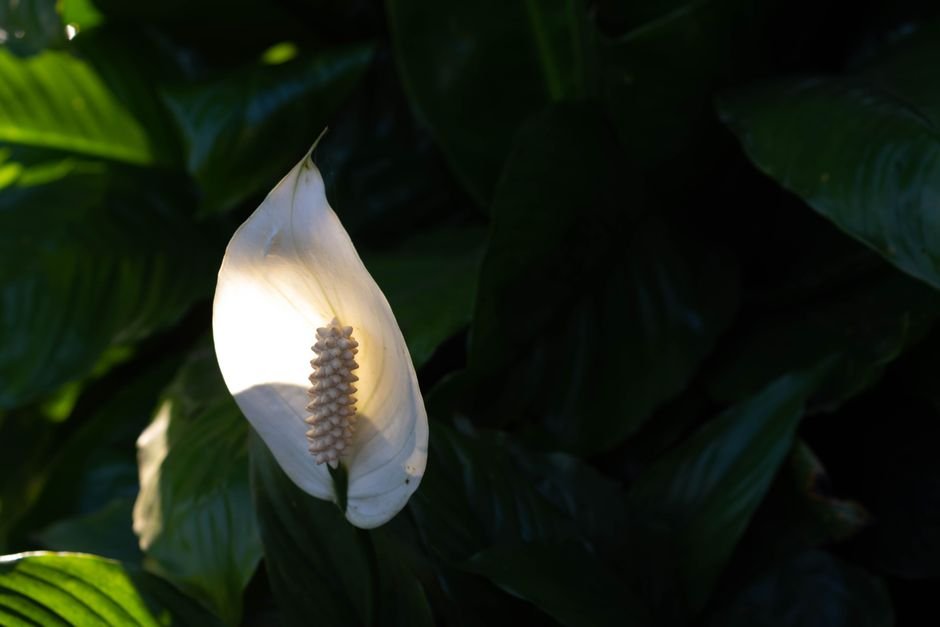

Welcome, fellow plant enthusiasts, to PlantsMag.com! Today, we’re diving deep into the world of one of the most beloved and graceful indoor plants: the Spathiphyllum Peace Lily. Renowned for its elegant white spathes and lush green foliage, this tropical beauty is a staple in homes and offices across the United States. While often perceived as an easy-care plant, mastering its specific needs can elevate your Peace Lily from merely surviving to truly thriving, gracing your space with continuous blooms and vibrant health. As a senior horticulturist, I’m here to share expert insights and practical tips to ensure your Spathiphyllum flourishes.
Understanding Your Spathiphyllum’s Light Needs
The first step to a happy Peace Lily is providing the right illumination. Spathiphyllum plants naturally thrive in the understory of tropical forests, meaning they prefer indirect, filtered light. Think of a bright room that doesn’t receive direct sunbeams hitting the leaves. Too much direct sunlight can scorch their delicate foliage, leading to yellowing or brown spots, while too little light can result in sparse growth and a lack of those iconic white blooms. A north or east-facing window is often ideal. If your home lacks sufficient natural light, a supplemental grow light, such as a full-spectrum LED like the GE BR30 LED Grow Light, can provide the necessary energy for robust growth without excessive heat, typically for 8-10 hours a day.
Precision Watering for Peace Lilies
Watering is arguably the most critical aspect of Spathiphyllum care, as they are famously dramatic when thirsty, drooping significantly. However, overwatering is a common killer. The key is consistency and moderation. Aim to water when the top 1-2 inches of soil feel dry to the touch. You can test this by sticking your finger into the soil or, for more accuracy, use a reliable moisture meter like the XLUX T3 Soil Moisture Meter, which helps prevent guesswork. When you water, do so thoroughly until excess drains from the pot’s bottom. Never let your Peace Lily sit in standing water, as this can lead to root rot. If you notice yellowing leaves, it could be a sign of overwatering, while crispy brown tips often indicate underwatering.
The Art of Bottom Watering
Bottom watering is an excellent technique for Peace Lilies, encouraging stronger root development and ensuring the plant absorbs only what it needs. This method also helps prevent soil compaction and reduces the risk of fungal gnats.
- Fill a tray or sink with about 1-2 inches of room-temperature water.
- Place your potted Peace Lily (with drainage holes) into the water.
- Allow the plant to soak for 15-30 minutes, or until the top of the soil feels slightly damp.
- Remove the pot from the water and let any excess drain completely before returning it to its usual spot.
- Repeat this process when the soil is dry to the touch again.
Optimal Humidity and Temperature for Lush Growth
As tropical natives, Spathiphyllum plants appreciate high humidity and stable, warm temperatures. Aim for humidity levels between 50-70%. In many US homes, especially during winter months with heating systems running, humidity can drop significantly. Signs of low humidity include brown leaf tips and a general lack of vigor. For temperature, maintain a range between 65-80°F (18-27°C). Avoid exposing your Peace Lily to cold drafts from windows or air conditioning vents, as sudden temperature drops can stress the plant and inhibit growth.
Creating a Humid Microclimate
There are several effective ways to boost humidity around your Spathiphyllum:
- Pebble Trays: Place the pot on a tray filled with pebbles and water, ensuring the pot’s bottom doesn’t sit directly in the water. As the water evaporates, it increases local humidity.
- Humidifiers: A small room humidifier, like a LEVOIT Humidifier, can be a game-changer, especially for multiple plants or in very dry environments.
- Misting: While misting offers temporary relief, it needs to be done frequently to be effective. Ensure good air circulation to prevent fungal issues.
- Grouping Plants: Plants release moisture through transpiration, so grouping several plants together can create a small humid microclimate.
Potting Mix and Fertilization Essentials
The right potting mix is crucial for healthy roots and proper moisture retention and drainage. A well-draining, peat-based potting mix is ideal for Spathiphyllum. Look for mixes that contain perlite, coco coir, or bark to improve aeration. Brands like FoxFarm Ocean Forest Potting Soil are popular among US growers for their rich, well-balanced composition. Repot your Peace Lily every 1-2 years, or when it becomes root-bound, moving up one pot size. The best time for repotting is in spring.
Spathiphyllum plants are not heavy feeders. Fertilize sparingly, typically every 4-6 weeks during the growing season (spring and summer), and reduce or stop feeding during fall and winter. Use a balanced liquid houseplant fertilizer diluted to half strength. An all-purpose indoor plant food like Espoma Organic Indoor Plant Food (2-2-2) works well. Over-fertilization can lead to salt buildup in the soil, causing leaf burn and other issues, so always err on the side of less.
Common Pests and Problems: Diagnosis and Solutions
Even with expert care, Spathiphyllum can encounter issues. Here’s how to diagnose and address common problems:
- Yellow Leaves: Often a sign of overwatering or nutrient deficiency. Check soil moisture and consider a light feeding.
- Brown Leaf Tips: Usually indicates low humidity, underwatering, or fluoride sensitivity from tap water. Use filtered water or distilled water if tap water is an issue.
- No Blooms: Insufficient light is the primary culprit. Move your plant to a brighter, indirect light spot or supplement with a grow light. Age of the plant and insufficient fertilization can also be factors.
- Pests: Peace Lilies are relatively pest-resistant, but can occasionally suffer from spider mites, mealybugs, or aphids. Inspect your plant regularly. For minor infestations, wipe leaves with a damp cloth. For more persistent issues, an insecticidal soap or a diluted neem oil solution (available at most garden centers for around $10-$15) can be effective.
By following this comprehensive guide, you’re well-equipped to provide your Spathiphyllum Peace Lily with the optimal conditions it needs to thrive. With consistent care, your elegant plant will reward you with lush foliage and its signature serene blooms for years to come. Happy planting!
Spathiphyllum Peace Lily Care Requirements at a Glance
| Care Aspect | Optimal Conditions |
|---|---|
| Light | Bright, indirect light; no direct sun. North or East-facing window preferred. |
| Water | When top 1-2 inches of soil are dry. Water thoroughly, allow to drain. |
| Humidity | High (50-70%). Use pebble trays, humidifiers, or misting. |
| Soil | Well-draining, peat-based potting mix with perlite/bark. |
| Temperature | 65-80°F (18-27°C). Avoid drafts. |
Frequently Asked Questions About Spathiphyllum Peace Lilies
Why are my Peace Lily leaves turning yellow?
Yellowing leaves on a Spathiphyllum are most commonly a sign of overwatering. Ensure the top 1-2 inches of soil dry out between waterings. It can also indicate underwatering if the plant has been consistently dry, or a nutrient deficiency, in which case a balanced liquid fertilizer may help.
How often should I fertilize my Peace Lily?
Fertilize your Peace Lily sparingly, typically every 4-6 weeks during its active growing season (spring and summer). Use a balanced liquid houseplant fertilizer diluted to half strength. Avoid fertilizing in fall and winter when the plant’s growth slows.
Can Peace Lilies tolerate direct sunlight?
No, Peace Lilies cannot tolerate direct sunlight. Their delicate leaves will scorch and turn yellow or brown. They thrive in bright, indirect light, mimicking their natural shaded habitat in tropical understories.
Is my Peace Lily toxic to pets?
Yes, Spathiphyllum Peace Lilies contain calcium oxalate crystals, which can be irritating if ingested by pets or humans. While not typically fatal, it can cause oral irritation, burning, swelling, and difficulty swallowing. It’s best to keep them out of reach of curious pets and children.
Why isn’t my Peace Lily blooming?
The most common reason for a Peace Lily not blooming is insufficient light. Move it to a brighter spot with indirect light. Other factors can include the plant being too young, inconsistent watering, or a lack of proper nutrients. Ensure it’s getting adequate light, consistent moisture, and a light feeding during the growing season.