
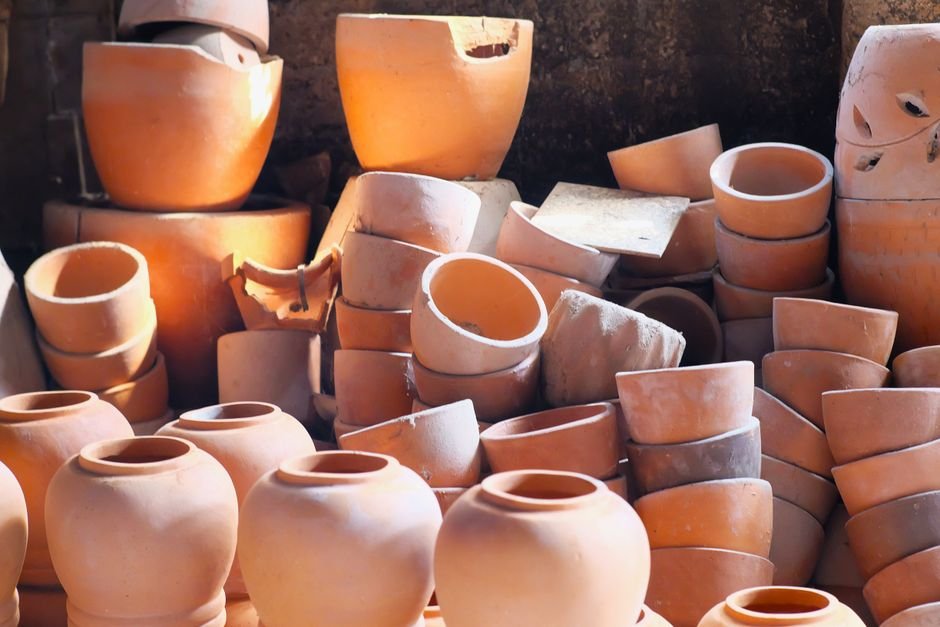

For US plant hobbyists, choosing the right container is as crucial as selecting the right plant. Among the myriad options, terracotta pots stand out for their classic appeal and remarkable breathability, making them a perennial favorite. But not all terracotta is created equal. The distinction between handmade vs. machine-made terracotta pots significantly impacts their quality, aesthetics, and performance. As specialists at PlantsMag.com, we’ve conducted a comprehensive quality test to help you make an informed decision, ensuring your green companions thrive in their ideal environment.
This article delves into the nuances of both types, examining their craftsmanship, durability, aesthetic appeal, and overall value. Whether you prioritize artisanal charm or consistent functionality, understanding these differences is key to cultivating a healthy indoor garden.
The Craftsmanship Factor: Handmade Terracotta Pots
Handmade terracotta pots, often crafted by skilled artisans, carry a unique story in every curve and imperfection. These pots are typically shaped on a potter’s wheel or by hand-molding techniques, leading to variations in size, texture, and finish. This artisanal approach often means the clay is less uniformly compressed, which can enhance its natural porosity – a highly sought-after quality for plant health. While their unique character is undeniable, handmade pots can also present challenges in consistency and cost. We tested several popular options, including the “Tuscan Artisan Collection” found on specialty garden sites and sometimes Amazon, and the “Old World Terracotta” series from smaller US crafters.
- Pros:
- Superior Breathability: Often made with less refined clay and gentler compression, leading to excellent aeration and moisture wicking, crucial for preventing root rot.
- Unique Aesthetic: Each pot possesses distinct character, minor imperfections, and a rustic charm that mass-produced items lack.
- Authentic Feel: Connects your garden to traditional craftsmanship, appealing to collectors and those valuing artisanal goods.
- Natural Patina Development: Develops a beautiful, natural white patina from mineral salts over time, enhancing its antique look.
- Cons:
- Inconsistent Sizing: Variations in diameter, height, and drainage hole placement can make stacking or uniform arrangements challenging.
- Higher Price Point: Due to labor-intensive production, handmade pots are generally more expensive, typically ranging from $15-$60+ per pot for common sizes.
- Potential for Minor Flaws: Small cracks, chips, or uneven rims are common and, while adding character, can sometimes affect structural integrity.
- Limited Availability: Often found in smaller batches, requiring more effort to source specific designs or quantities.
Precision and Consistency: Machine-Made Terracotta Pots
Machine-made terracotta pots dominate the market due to their efficiency in production and consistent quality. Manufactured using molds and hydraulic presses, these pots offer uniformity in size, shape, and finish. This consistency makes them ideal for large-scale gardening projects, commercial nurseries, and hobbyists who prefer a clean, uniform look. While they might lack the unique charm of their handmade counterparts, machine-made pots excel in practicality and affordability. Our testing included the ubiquitous “Classic Terra Standard Series” from Amazon and local hardware stores, and the “Gardener’s Choice” line, known for its robust construction.
- Pros:
- Uniformity and Consistency: Predictable dimensions, smooth edges, and consistent drainage holes make them easy to stack, arrange, and replace.
- Affordability: Mass production significantly lowers costs, making them accessible for beginners or those with extensive plant collections. Prices typically range from $5-$25 per pot.
- Wide Availability: Easily found at almost any garden center, hardware store, or online retailer like Amazon.
- Durability: Often made with denser clay and higher firing temperatures, leading to a sturdier, less fragile pot.
- Cons:
- Less Character: Lacks the unique, artisanal appeal; can feel generic or mass-produced.
- Potentially Denser Clay: The pressing process can make the clay less porous, slightly reducing breathability compared to traditional handmade pots.
- Standard Aesthetic: While functional, the designs are often basic, offering less visual interest for decorative purposes.
- Rough Edges/Seams: Occasionally, molding seams can be visible or edges can be slightly rough, requiring minor sanding.
Durability and Plant Health: A Practical Comparison
When it comes to durability, machine-made pots often have an edge in sheer structural strength due to their denser composition and consistent firing. They are less prone to chipping from minor bumps. However, handmade pots, despite their potential for minor surface imperfections, can be surprisingly resilient if fired correctly. For plant health, the defining factor is porosity. Handmade pots generally offer superior breathability, allowing soil to dry out more evenly and preventing waterlogging. This makes them excellent for succulents, cacti, and plants prone to root rot. Machine-made pots, while still breathable, can sometimes be denser, requiring a bit more attention to watering schedules, especially for moisture-sensitive plants. We observed that plants in handmade pots showed less sign of moisture stress in humid conditions.
Aesthetic Appeal and Design Versatility
The choice between handmade and machine-made often boils down to personal aesthetic preference. Handmade pots, with their organic shapes, varying textures, and unique finishes, bring a rustic, artisanal charm to any space. They are often chosen as statement pieces or for plants that deserve a special presentation. The subtle irregularities add character and warmth. Machine-made pots, on the other hand, offer sleek lines and uniform finishes, fitting seamlessly into modern, minimalist, or highly organized garden designs. Their consistent appearance allows for easy grouping and creates a cohesive look. While less ‘unique,’ their predictability in design can be a significant advantage for specific decor themes or when replicating a particular style across multiple plants. Some machine-made pots also come with more intricate patterns or glazes that are harder to achieve consistently by hand.
What to Look For: Our Testing Methodology
Our evaluation involved a multi-faceted approach, subjecting various terracotta pots to conditions mimicking typical home gardening environments. We selected pots of similar sizes (6-8 inch diameter) from both categories and observed them over three months. Here’s what we focused on:
- Pore Test (Water Absorption): We measured the rate at which water permeated the pot walls. Handmade pots consistently showed faster and more even moisture distribution through their walls, indicating higher porosity.
- Drainage Hole Quality: We inspected drainage holes for size, smoothness, and consistency. Machine-made pots had uniform, clean-cut holes, while handmade pots occasionally had slightly irregular or rougher edges.
- Uniformity and Stability: We stacked pots and checked for wobbling or unevenness. Machine-made pots excelled here, offering perfect stability, whereas some handmade pots had slight tilts.
- Finish and Texture: We assessed the smoothness of the rim, the texture of the exterior, and the presence of any blemishes. Handmade pots had a more varied, often coarser texture, contributing to their rustic appeal.
- Durability Check: While not a destructive test, we observed resistance to minor bumps and handling. Machine-made pots felt generally sturdier, though high-quality handmade pots were surprisingly resilient.
Product Comparison Table
| Product Name | Price Range (USD) | Pros | Cons | Best For |
|---|---|---|---|---|
| Tuscan Artisan Collection (Handmade) | $15-$60 per pot | Unique character, excellent breathability, rustic charm, natural wicking, artisanal appeal. | Higher price, minor imperfections, less uniform, potentially more fragile, limited availability. | High-value plants, decorative displays, unique gifts, collectors, succulents, cacti. |
| Classic Terra Standard Series (Machine-Made) | $5-$25 per pot | Affordable, consistent size/shape, widely available, stackable, durable, practical. | Less character, potentially denser, standard aesthetic, sometimes rough edges. | Beginners, large collections, practical utility, uniform displays, herbs. |
| “EcoPots” Glazed Terracotta (Machine-Made) | $10-$40 per pot | Modern look, less frequent watering needed, good for moisture-loving plants, easy to clean. | Reduced breathability (due to glaze), higher price than plain terracotta, chips can be noticeable. | Moisture-loving plants (ferns, tropicals), indoor use where less wicking is desired, modern decor. |
| “Heritage” Unglazed Terracotta (Handmade/Semi-Handmade) | $8-$35 per pot | Traditional aesthetic, very good breathability, classic look, good value for artisanal feel. | Can dry out quickly, prone to mineral deposits, limited aesthetic range compared to glazed. | Succulents, cacti, herbs, plants needing quick drainage, traditional garden themes. |
| “Urban Planter” (Machine-Finished) | $12-$45 per pot | Smooth finish, contemporary design, good for larger plants, sturdy, often comes with saucers. | Can be heavy, less porous than traditional handmade, higher cost for machine-made, less rustic. | Larger plants, statement pieces, minimalist decor, professional settings. |
Verdict: Our Top Pick & Recommendations
There isn’t a single “best” type of terracotta pot; the ideal choice depends entirely on your specific needs, aesthetic preferences, and the plants you’re growing. For the discerning plant parent who values unique character, superior breathability, and an authentic touch, our top pick is a high-quality Handmade Terracotta Pot, like those from the “Tuscan Artisan Collection.” They offer unparalleled benefits for plant health, especially for drought-tolerant species, and add an undeniable charm to any space. While pricier, the investment often pays off in longevity and aesthetic pleasure.
However, for practicality, affordability, and consistency, the Classic Terra Standard Series (Machine-Made) remains an unbeatable choice. It’s perfect for beginners, those with extensive collections, or anyone needing reliable, uniform pots without breaking the bank. For moisture-loving plants, a glazed machine-made option like “EcoPots” is a smart choice to reduce watering frequency.
Ultimately, consider your plant’s needs first, then your personal style and budget. Both types of terracotta pots offer excellent homes for your plants, each with its distinct advantages.
Frequently Asked Questions About Terracotta Pots
Q: Are handmade terracotta pots always better for plants?
A: Not always, but often. Handmade pots tend to be more porous due to less uniform clay compression, which allows for superior air circulation and moisture wicking. This is highly beneficial for plants prone to root rot, such as succulents and cacti. However, for plants that prefer consistent moisture, a denser machine-made pot or even a glazed terracotta pot might be more suitable to reduce watering frequency.
Q: How can I tell if a terracotta pot is handmade or machine-made?
A: Handmade pots often show subtle irregularities: slight variations in shape or size, visible finger marks or tool lines, and a less uniform texture. The rim might not be perfectly smooth, and the drainage hole might be slightly off-center or have rougher edges. Machine-made pots, conversely, are typically perfectly symmetrical, smooth, and uniform in size and finish, often with clear mold lines or perfectly consistent textures.
Q: Do handmade terracotta pots last longer than machine-made ones?
A: Durability varies greatly within both categories. High-quality handmade pots, fired at appropriate temperatures, can be very durable. However, due to their often less dense structure and potential for minor flaws, they can sometimes be more prone to chipping or cracking if dropped. Machine-made pots, with their denser composition and uniform structure, often exhibit greater resistance to impact and frost damage (if properly fired for outdoor use) but can still break. Proper care and handling are key for both.
Q: Where can I buy high-quality handmade terracotta pots in the US?
A: High-quality handmade terracotta pots can be found at specialty garden centers, artisan craft fairs, local potteries, and increasingly, online marketplaces like Etsy or smaller independent retailers on Amazon. Look for sellers who specify their manufacturing process and source of clay. Always check reviews for consistency and quality before purchasing.