
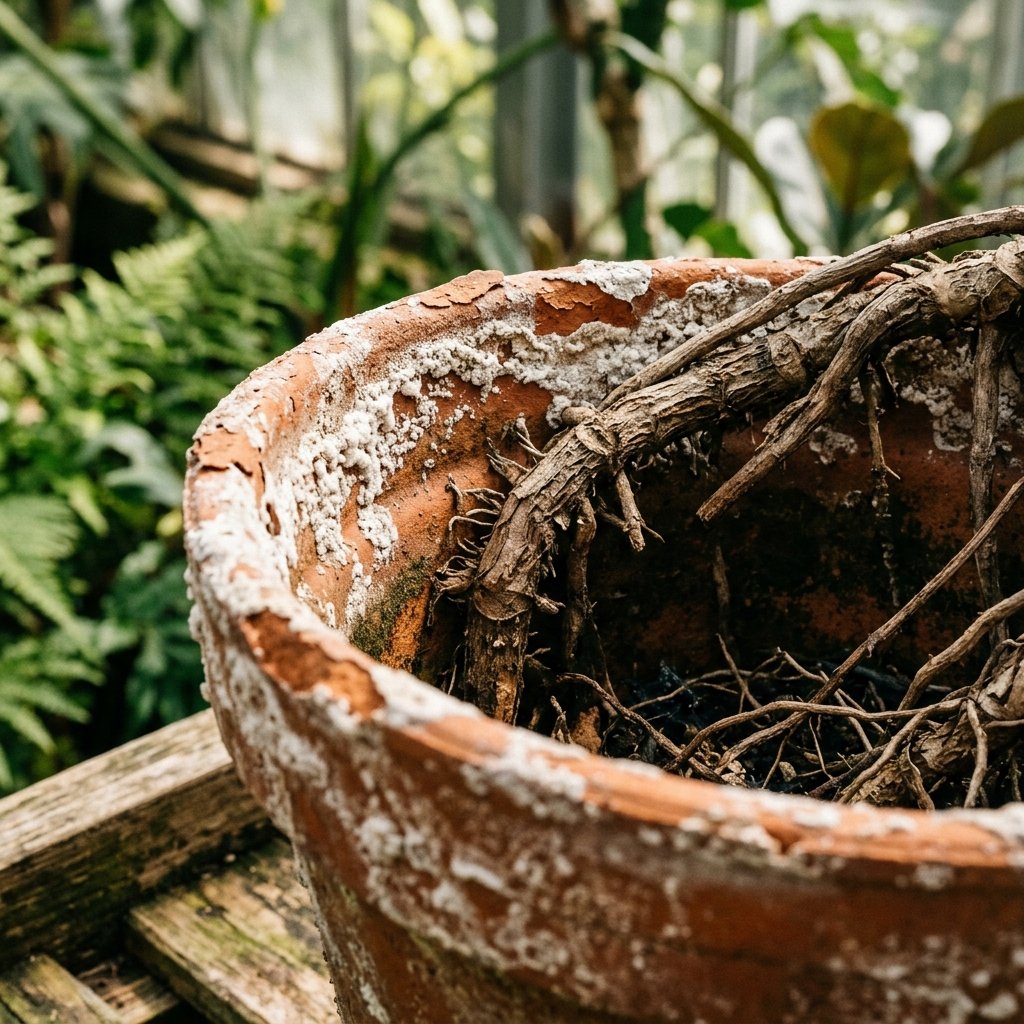

It is the most viral, pervasive “grandma hack” in the houseplant community: dumping a layer of used, wet coffee grounds directly on top of the soil of your houseplants because they are “rich in nitrogen.” This is a catastrophic misunderstanding of microbiology that will almost certainly kill your indoor plants.
The Illusion of Free Nitrogen
It is true that coffee grounds contain nitrogen. However, that nitrogen is entirely locked inside a complex, solid organic structure. Houseplants cannot physically eat solid matter. In order for the plant to absorb that nitrogen, the coffee grounds must be fully digested and broken down by a massive army of earthworms, bacteria, and fungi.
The Indoor Catastrophe
- Your indoor plastic pot does not contain a complex soil food web. There are no worms.
- When you dump wet coffee grounds on the surface, they immediately compact into a dense, cement-like crust. This entirely cuts off the oxygen supply to the roots below.
- Instead of breaking down normally, the dark, wet coffee cake becomes a massive breeding ground for aggressive white mold and draws thousands of fungus gnats into your home.
How to Actually Use Coffee for Plants
Coffee grounds belong in an outdoor, hot aerobic compost bin. There, they break down over six months into rich, black humic acid. If you want to use the caffeine/nitrogen boost for your indoor plants immediately, you must brew compost tea. Throw the grounds in the compost, wait six months, and then top-dress your houseplants with the resulting finished, sterile compost dirt. Never put raw, uncomposted food waste inside an indoor pot.
What’s Your Next Step?
You have successfully debunked one common myth. This indicates a desire for optimal results. Your next decision is critical for elevating your expertise from basic care to advanced cultivation. Choose your path:
Frequently Asked Questions
What are the best conditions for this plant?
Most houseplants thrive in bright, indirect light with temperatures between 65-80F (18-27C). Ensure good drainage and water when the top inch of soil feels dry.
How often should I water?
Watering frequency depends on the plant species, pot size, and environment. A general rule is to check the soil moisture before watering. Overwatering is the most common cause of houseplant death.
What soil mix works best?
A well-draining mix of peat moss, perlite, and orchid bark works well for most tropical houseplants. Succulents prefer a grittier mix with more sand and perlite.
Quick Care Reference
| Factor | Requirement | Notes |
|---|---|---|
| Light | Bright indirect | Avoid direct afternoon sun |
| Water | When top inch dry | Reduce in winter |
| Humidity | 50-70% | Mist or use pebble tray |
| Temperature | 65-80F (18-27C) | Avoid cold drafts |
| Soil | Well-draining mix | Peat, perlite, bark |
| Fertilizer | Monthly (spring-summer) | Half-strength balanced |