
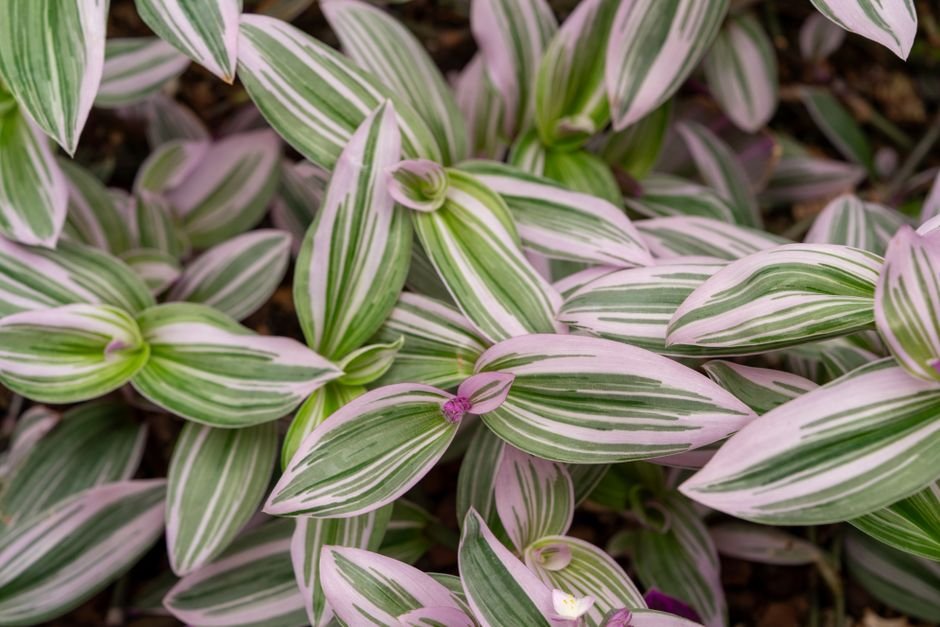

Welcome, fellow plant enthusiasts! As a senior horticulturist, I’m thrilled to guide you through the wonderful world of Tradescantia. Often affectionately known as ‘Wandering Dude’ (and historically ‘Wandering Jew’), this genus of plants offers an explosion of color and texture, making them a favorite among beginners and seasoned collectors alike. This comprehensive Tradescantia Care Guide will equip you with the knowledge to grow these beauties like a seasoned pro, ensuring vibrant foliage and robust health for your beloved Wandering Dude.
Understanding Tradescantia: A Botanical Overview
Tradescantia, a genus in the Commelinaceae family, boasts over 75 species, each with unique charm. These fast-growing, vining plants are celebrated for their striking foliage, which can range from deep purples and iridescent silvers to vibrant greens and pinks. Popular varieties include Tradescantia zebrina (often called ‘Silver Inch Plant’ or ‘Zebra Plant’ for its striped leaves), Tradescantia pallida (‘Purple Heart’ with its stunning deep violet hues), and Tradescantia fluminensis (various green and variegated forms). Their trailing habit makes them perfect for hanging baskets or cascading from shelves, adding a dynamic element to any indoor space.
Optimal Lighting for Dazzling Foliage
The secret to maintaining Tradescantia’s vibrant colors lies primarily in providing the right light. These plants thrive in bright, indirect light. Think of a spot near an east-facing window, or a few feet back from a south or west-facing window where the direct sun won’t scorch their delicate leaves. Too much direct sunlight can fade their brilliant hues and even cause leaf burn, while too little light will result in leggy growth and less intense coloration, especially in variegated varieties. If your home lacks sufficient natural light, a supplemental grow light, such as a Sansi 15W LED Grow Light, can work wonders in encouraging compact, colorful growth.
Watering Wisdom: Keeping Your Tradescantia Hydrated
Watering is a critical aspect of Tradescantia care. They prefer consistently moist, but never soggy, soil. A good rule of thumb is to allow the top inch or two of soil to dry out completely before watering again. Overwatering is a common pitfall and can quickly lead to root rot, a silent killer for many houseplants. Conversely, prolonged dryness will cause leaves to crisp and brown. To accurately gauge soil moisture, consider investing in a reliable moisture meter, such as the XLUX T10 Soil Moisture Meter, which takes the guesswork out of watering.
Humidity & Air Circulation
Tradescantia appreciates moderate to high humidity, reminiscent of their native tropical habitats. While they can tolerate average household humidity, providing extra moisture will encourage lusher growth. You can increase humidity by misting your plant regularly, placing it near a humidifier, or setting its pot on a pebble tray filled with water (ensuring the pot doesn’t sit directly in the water). Good air circulation is also important to prevent fungal issues, especially in humid conditions, so avoid placing them in overly stagnant corners.
The Perfect Potting Mix and Feeding Regimen
A well-draining potting mix is paramount for Tradescantia. A standard indoor potting mix amended with perlite or coarse sand for extra drainage works beautifully. Look for quality brands like Espoma Organic Potting Mix, which often contain a good balance of ingredients. This ensures that while the soil retains some moisture, excess water can escape freely, preventing waterlogged roots. Repotting is generally needed every 1-2 years, or when you notice roots emerging from the drainage holes. Choose a pot only one size larger than the current one to avoid excessive soil moisture retention.
Repotting & Pruning for Bushier Growth
Tradescantia are vigorous growers and can become leggy over time. Regular pruning is key to maintaining a bushy, compact plant. Don’t be shy about pinching back leggy stems; this encourages new growth from the nodes, making your plant fuller. The best part? Those pruned stems are perfect for propagation, allowing you to easily expand your collection or share with friends!
Propagating Tradescantia: Expand Your Collection
One of the most rewarding aspects of Tradescantia care is how incredibly easy they are to propagate! You can multiply your Wandering Dude collection with minimal effort. Here’s a simple step-by-step guide:
- Select a Healthy Stem: Choose a vigorous stem that is at least 4-6 inches long, with several leaves.
- Make the Cut: Using clean, sharp scissors or pruners, make a cut just below a leaf node (the bump on the stem where a leaf attaches).
- Remove Lower Leaves: Strip off the leaves from the bottom 1-2 inches of the cutting to expose the nodes. These nodes are where new roots will emerge.
- Place in Water or Soil: You have two options:
- Water Propagation: Place the cuttings in a glass of water, ensuring the nodes are submerged. Change the water every few days. Roots typically appear within 1-2 weeks.
- Soil Propagation: Dip the cut end in rooting hormone (optional, but can speed things up) and plant directly into a small pot filled with moist potting mix.
- Provide Care: Keep water propagated cuttings in a bright spot until roots are 1-2 inches long, then plant them in soil. For soil-propagated cuttings, keep the soil consistently moist (but not soggy) and place in bright, indirect light. New growth usually signifies successful rooting.
Tradescantia Care Requirements Comparison
| Requirement | Optimal Conditions | Notes |
|---|---|---|
| Light | Bright, indirect light | Direct sun can scorch; low light causes leggy growth and faded colors. |
| Water | Allow top 1-2 inches of soil to dry | Avoid overwatering to prevent root rot; use a moisture meter if unsure. |
| Humidity | Moderate to high (50%+) | Benefits from misting, pebble trays, or humidifiers. |
| Soil | Well-draining, airy potting mix | Amend with perlite for extra drainage; Espoma Organic Potting Mix is a good base. |
| Temperature | 65-75°F (18-24°C) | Avoid temperatures below 50°F (10°C); protect from cold drafts. |
| Fertilizer | Balanced liquid fertilizer (half strength) | Monthly during growing season (spring/summer); e.g., Dyna-Gro Grow 7-9-5. |
Frequently Asked Questions About Tradescantia Care
Why are my Tradescantia leaves fading or losing their vibrant color?
Fading colors are typically a sign of insufficient light. Move your plant to a brighter location with indirect sunlight. If the colors are fading and becoming bleached, it might be receiving too much direct sun, in which case move it to a slightly shadier spot.
Is Tradescantia toxic to pets?
Yes, Tradescantia species are considered mildly toxic to pets (and humans) if ingested. They can cause skin irritation or mild gastrointestinal upset. It’s best to keep them out of reach of curious cats, dogs, and children. If ingested, consult a veterinarian or physician.
How often should I fertilize my Wandering Dude?
During the active growing season (spring and summer), fertilize your Tradescantia monthly with a balanced liquid fertilizer diluted to half strength. Reduce or cease fertilization during fall and winter when growth naturally slows down. A product like Dyna-Gro Grow 7-9-5 is an excellent choice.
Why is my Wandering Dude becoming leggy and sparse?
Leggy growth is usually an indication that your plant isn’t getting enough light. Move it to a brighter spot. Additionally, regular pruning will encourage bushier growth. Don’t hesitate to trim back those long, sparse stems; they can often be propagated to create new, fuller plants.
Can I grow Tradescantia outdoors?
Yes, in suitable climates! Many Tradescantia varieties, particularly Tradescantia pallida (Purple Heart), can be grown outdoors as perennials in USDA Hardiness Zones 7-11. In colder zones, they can be grown as annuals or brought indoors for the winter. Ensure they are in a sheltered spot with bright, indirect light.
What’s the difference between ‘Wandering Jew’ and ‘Wandering Dude’?
‘Wandering Jew’ is a common historical name for Tradescantia, particularly Tradescantia zebrina, due to its vigorous, spreading nature. However, due to its problematic and offensive historical connotations, many plant enthusiasts and sellers now prefer the more inclusive and respectful alternative ‘Wandering Dude’ or simply use the botanical name ‘Tradescantia’ or ‘Inch Plant’.
With this expert Tradescantia Care Guide, you’re well-equipped to nurture your Wandering Dude into a stunning display of foliage. These resilient and beautiful plants are a joy to grow, and by following these tips, you’ll enjoy their vibrant presence for years to come. Happy planting!