
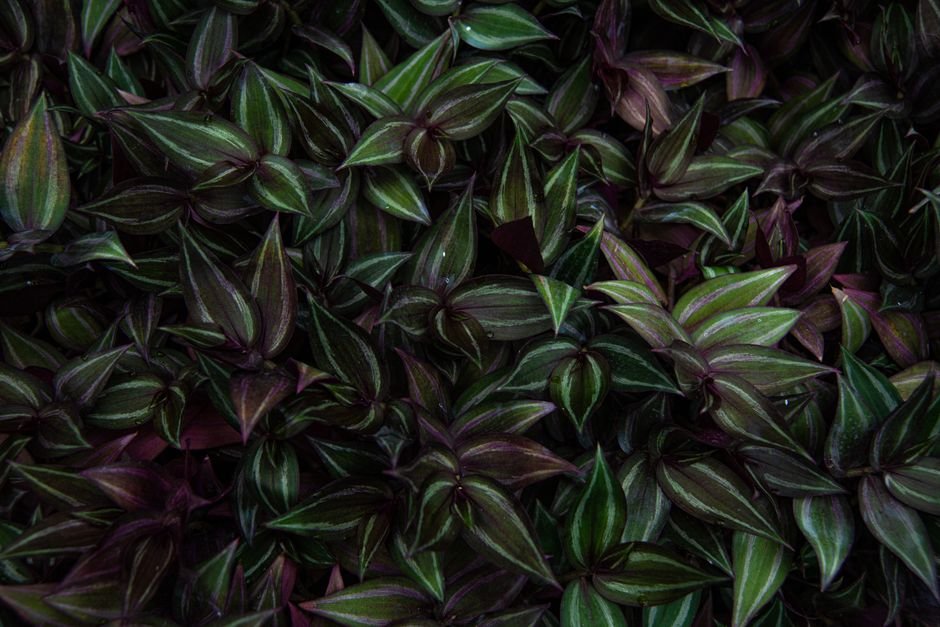

Welcome to PlantsMag.com, where we empower plant enthusiasts to cultivate stunning indoor gardens. Today, we’re diving deep into the world of Tradescantia, often affectionately known as the Wandering Dude or Wandering Jew plant. Renowned for its vibrant, trailing foliage and ease of care, Tradescantia varieties like ‘Zebrina’, ‘Nanouk’, and ‘Pallida’ are staples in many US homes. This comprehensive Tradescantia care guide will equip you with expert knowledge to grow your Wandering Dude like a seasoned pro, ensuring lush, colorful growth and a thriving display.
Understanding Tradescantia Varieties and Their Unique Needs
Tradescantia is a diverse genus, offering a kaleidoscope of colors and patterns. While many share similar basic care, understanding your specific variety can fine-tune your approach. Most popular cultivars, whether the striped ‘Zebrina’ or the pink-hued ‘Nanouk’, thrive on consistency. They are generally forgiving, making them excellent choices for both novice and experienced plant parents looking to add a splash of drama to their indoor jungle.
Popular Tradescantia Cultivars
Some of the most beloved varieties include Tradescantia zebrina (often called ‘Silver Inch Plant’ or ‘Wandering Jew’ due to its striking silver and purple stripes), Tradescantia pallida (‘Purple Heart’ for its deep purple leaves and stems), and Tradescantia fluminensis (various green and variegated forms). A newer favorite, Tradescantia albiflora ‘Nanouk’, boasts incredible pink, green, and white variegation, demanding slightly brighter light to maintain its vibrant hues. Each cultivar brings its own visual appeal, but their fundamental needs align closely.
Choosing the Right Spot for Your Tradescantia
The placement of your Tradescantia is crucial for its health and appearance. These plants are native to tropical and subtropical regions, so mimicking their natural environment indoors is key. They flourish in bright, indirect light, making east or west-facing windows ideal. Avoid harsh, direct afternoon sun, especially in summer, which can scorch their delicate leaves and fade their vibrant colors. Rotate your plant every few weeks to ensure even growth and prevent it from becoming leggy on one side.
Optimal Lighting for Dazzling Foliage
Light is perhaps the most critical factor in maintaining the stunning coloration of your Tradescantia. They crave bright, indirect light for at least 6-8 hours daily. Too little light, and your plant’s vibrant purples, pinks, and silvers will fade, and stems will stretch, becoming leggy. Too much direct sun, particularly intense afternoon rays, can scorch leaves, turning them crispy brown. An east-facing window provides gentle morning sun, while a west-facing window offers brighter afternoon light, which might need to be diffused with a sheer curtain.
If natural light is scarce, especially during darker winter months or in homes with fewer sunny windows, consider supplementing with artificial grow lights. A full-spectrum LED grow light, like the Barrina T5 LED Grow Lights (available for around $40-$50 for a pack of 6 on Amazon), placed 12-18 inches above your plant, can provide the consistent illumination needed to keep your Tradescantia’s colors popping and growth compact.
Watering Wisdom: Preventing Root Rot and Thirst
Proper watering is paramount to preventing the most common Tradescantia ailments: root rot from overwatering or crispy leaves from underwatering. The golden rule is to allow the top 1-2 inches of soil to dry out completely between waterings. Stick your finger into the soil or use a reliable moisture meter, such as the XLUX Soil Moisture Meter (typically $12-$15), to accurately gauge soil dampness. When it’s time to water, do so thoroughly until water drains from the bottom of the pot. Ensure your pot has drainage holes – this is non-negotiable!
The Role of Humidity in Tradescantia Health
As tropical natives, Tradescantias appreciate higher humidity levels, ideally above 50%. While they can tolerate average household humidity, prolonged dry conditions can lead to brown leaf tips and slower growth. You can boost humidity by placing your plant near a humidifier, grouping it with other plants, or using a pebble tray filled with water (ensure the pot doesn’t sit directly in the water). Misting is a temporary fix and can sometimes promote fungal issues, so it’s generally not recommended as a primary humidity solution.
Soil and Nutrition: Fueling Robust Growth
A well-draining, airy potting mix is essential for your Tradescantia. A standard indoor potting mix amended with perlite or orchid bark works wonderfully, ensuring good aeration and preventing waterlogging. Aim for a mix that retains some moisture but allows excess to drain quickly. Brands like FoxFarm Ocean Forest Potting Soil ($20-$25 for 1.5 cu ft) are excellent bases, to which you can add 20-30% perlite for extra drainage.
Tradescantias are not heavy feeders but benefit from regular fertilization during their active growing season (spring and summer). Use a balanced liquid houseplant fertilizer, diluted to half strength, every 2-4 weeks. Espoma Organic Indoor Plant Food (around $10-$15) is a popular choice among US plant enthusiasts. Reduce or cease fertilization during fall and winter when growth naturally slows.
Propagation Made Easy: Expanding Your Collection
One of the joys of growing Tradescantia is how incredibly easy it is to propagate! You can quickly multiply your collection or share with friends using simple stem cuttings. This also encourages bushier growth on your mother plant.
- Select a Healthy Stem: Choose a healthy stem segment at least 4-6 inches long with several leaves.
- Make a Clean Cut: Using clean, sharp pruning snips (like Fiskars Micro-Tip Pruning Snips, about $15-$20), cut just below a leaf node (the bump on the stem where a leaf attaches).
- Remove Lower Leaves: Gently strip off the leaves from the bottom 1-2 inches of the cutting. This exposes the nodes where roots will emerge and prevents leaves from rotting in water or soil.
- Choose Your Medium:
- Water Propagation: Place the cutting in a jar or vase of clean water, ensuring the nodes are submerged. Change the water every few days to keep it fresh. Roots typically appear within 1-2 weeks.
- Soil Propagation: Directly plant the cutting into a small pot filled with moist, well-draining potting mix. Keep the soil consistently damp but not soggy.
- Provide Ideal Conditions: Place your cuttings in a warm spot with bright, indirect light.
- Transplant (if water propagating): Once roots are 1-2 inches long (usually 3-4 weeks), gently transplant the water-rooted cutting into soil.
Troubleshooting Common Tradescantia Issues
Even the most resilient plants can face challenges. Here’s how to address common Tradescantia problems:
- Leggy Growth & Fading Colors: This is almost always a sign of insufficient light. Move your plant to a brighter spot or add a grow light. Regular pruning also encourages bushiness.
- Crispy Brown Leaf Tips: Usually indicates low humidity or underwatering. Increase humidity and ensure you’re watering thoroughly when the topsoil is dry.
- Mushy Stems & Yellowing Leaves: Classic symptoms of overwatering and root rot. Reduce watering frequency, ensure excellent drainage, and consider repotting into fresh, drier soil if severe.
- Pests: Tradescantias are generally pest-resistant, but occasionally succumb to spider mites, mealybugs, or aphids. Inspect your plant regularly. Treat infestations with insecticidal soap or neem oil.
Pruning for Bushiness and Health
Regular pruning is key to maintaining a full, bushy Tradescantia and preventing it from becoming sparse and leggy. Don’t be afraid to snip! Pinch back stems just above a leaf node. This encourages the plant to branch out from that point, leading to a denser appearance. Pruning also helps remove any unsightly or damaged foliage. The best part? Those trimmings can be used for propagation, as discussed earlier!
Tradescantia Care Requirements at a Glance
| Care Aspect | Recommendation for Tradescantia |
|---|---|
| Light | Bright, indirect light (6-8 hours daily). Avoid harsh direct afternoon sun. |
| Water | Allow top 1-2 inches of soil to dry out between waterings. Water thoroughly until drainage. |
| Humidity | Moderate to high (50%+ preferred). Tolerates average home humidity but thrives with more. |
| Soil | Well-draining, airy potting mix. Standard indoor mix amended with perlite or orchid bark. |
| Temp. | Average room temperatures (65-80°F / 18-27°C). Avoid temperatures below 50°F (10°C). |
| Fertilizer | Balanced liquid houseplant fertilizer, half-strength, every 2-4 weeks during spring/summer. |
Frequently Asked Questions About Tradescantia Care
Why are my Tradescantia leaves losing their vibrant color?
Fading colors, especially in variegated varieties, are almost always a sign of insufficient light. Your Tradescantia needs bright, indirect light for at least 6-8 hours a day to maintain its rich hues. Move it closer to a window or supplement with a grow light.
How often should I fertilize my Wandering Dude plant?
During the active growing season (spring and summer), fertilize your Tradescantia every 2-4 weeks with a balanced liquid houseplant fertilizer diluted to half strength. Reduce or stop fertilizing in fall and winter when growth naturally slows.
Is Tradescantia toxic to pets?
Yes, Tradescantia plants are considered mildly toxic to pets, including cats and dogs. Ingestion can cause irritation of the mouth and digestive tract, leading to symptoms like drooling, vomiting, and diarrhea. Skin contact with the sap can also cause dermatitis. It’s best to keep them out of reach of curious pets.
Can I grow Tradescantia outdoors?
Absolutely! Tradescantia can thrive outdoors in USDA Hardiness Zones 9-11 as a perennial, or as an annual in colder zones. Choose a location with bright, indirect light or morning sun and afternoon shade. Bring them indoors before the first frost if you want them to overwinter.
What’s the best way to make my Tradescantia bushy instead of leggy?
To encourage a bushy growth habit, regularly prune your Tradescantia. Pinch back the tips of longer stems just above a leaf node. This stimulates new growth from that point, leading to a fuller plant. Ensure it also receives adequate bright, indirect light, as insufficient light contributes significantly to leggy growth.
With this comprehensive Tradescantia care guide, you’re now equipped to cultivate a stunning and vibrant Wandering Dude plant. By providing the right light, mindful watering, appropriate soil, and regular pruning, your Tradescantia will not only survive but truly thrive, adding a dynamic splash of color and texture to your indoor garden. Happy planting!