

Updated September 2026
As dedicated indoor gardeners, we’re constantly seeking the best ways to nurture our leafy companions. Two of the most popular organic amendments for enriching potting mixes and providing nutrients are worm castings and traditional compost. But when it comes to feeding houseplants, which reigns supreme? In this comprehensive guide, we’ll delve into the specifics of worm castings vs compost, helping you make an informed decision for your indoor oasis.
Understanding Worm Castings: Nature’s Potent Fertilizer
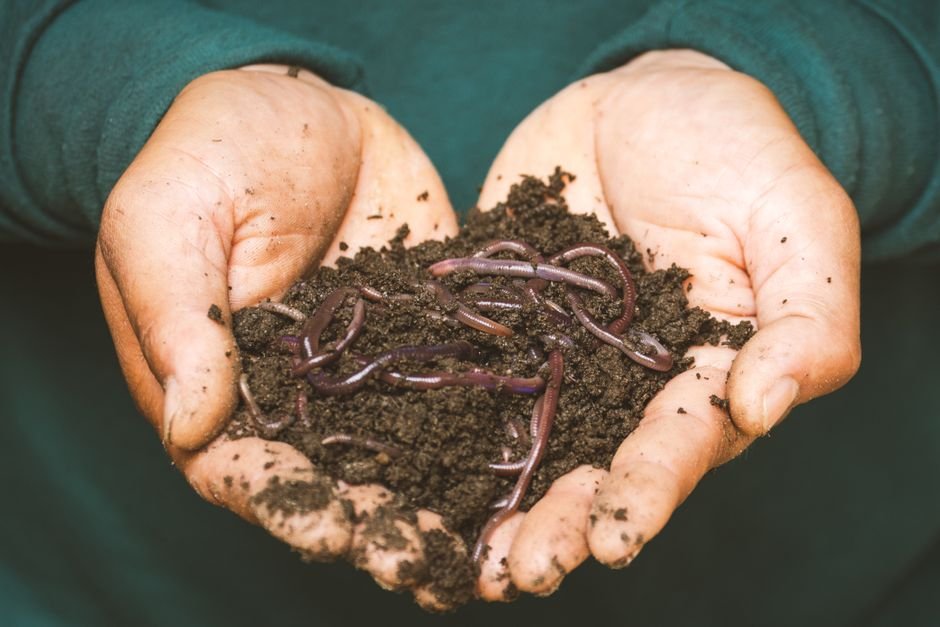
Worm castings, often called “vermicompost,” are essentially the excrement of earthworms. These remarkable creatures digest organic matter, transforming it into a nutrient-dense, microbe-rich soil amendment. Unlike raw organic materials, worm castings are finely textured, odorless, and packed with readily available nutrients, beneficial bacteria, and enzymes. They improve soil structure, enhance water retention, and offer a slow-release feeding mechanism that’s gentle on delicate houseplant roots.
- Pros:
- Highly Concentrated: Rich in readily available nitrogen, phosphorus, and potassium (N-P-K), plus micronutrients.
- Odorless: Perfect for indoor use, as they don’t produce unpleasant smells.
- Improved Soil Structure: Enhances aeration and water retention without compacting.
- Beneficial Microbes: Introduces a diverse ecosystem of microorganisms that aid nutrient uptake.
- Pest Repellent Qualities: Some studies suggest they can deter certain pests like spider mites and aphids.
- Non-Burning: Extremely gentle, making it nearly impossible to over-fertilize or burn roots.
- Cons:
- Higher Cost: Generally more expensive per pound than bulk compost.
- Less Bulk: Not ideal for significantly building up large volumes of potting mix.
- Availability: While increasingly common, specialized brands might require online ordering.
Popular Products: You can find excellent quality worm castings on Amazon US, such as Wiggle Worm Soil Builder Earthworm Castings or Unco Industries Wiggle Worm Soil Builder. A 15-pound bag typically ranges from $20 to $35, depending on the brand and seller.
Exploring Traditional Compost: The Foundation of Healthy Soil
Traditional compost is the result of decomposed organic materials like kitchen scraps, yard waste, and leaves. Through a process of microbial activity, these materials break down into a dark, crumbly, and nutrient-rich substance. Compost is a cornerstone of organic gardening, revered for its ability to build soil health, improve drainage, and provide a broad spectrum of nutrients over time. For houseplants, it acts as both a soil amendment and a mild, slow-release fertilizer.
- Pros:
- Soil Structure Improvement: Excellent for improving drainage, aeration, and water retention in potting mixes.
- Nutrient Diversity: Provides a wide range of macro and micronutrients, albeit at lower, slower-release concentrations than castings.
- Cost-Effective: Often cheaper per cubic foot, especially if homemade.
- Sustainable: Reduces waste by recycling organic materials.
- pH Buffering: Helps stabilize soil pH, creating a more favorable environment for plant roots.
- Cons:
- Potential Odor: Commercial compost is usually fine, but homemade compost can sometimes have an earthy or slightly pungent smell if not fully mature.
- Bulkier Application: Requires more volume to achieve significant nutrient benefits compared to castings.
- Variable Quality: Nutrient content and pathogen risk can vary greatly, especially with homemade or uncertified bulk compost.
- Weed Seeds/Pathogens: Poorly processed compost might contain weed seeds or harmful pathogens.
Popular Products: For commercial compost suitable for houseplants, look for brands like Espoma Organic Compost-Tone or Black Gold Organic Compost. A 1.5 cubic foot bag typically costs between $12 and $25 at garden centers or on Amazon.
Nutrient Profile and Availability: A Closer Look
The primary difference between worm castings and compost for houseplants lies in their nutrient profile and how those nutrients become available to your plants. Worm castings offer a more concentrated dose of readily available nutrients. The earthworm’s digestive system pre-processes the organic matter, making the N-P-K and micronutrients immediately accessible. This makes them excellent for a quick boost or consistent gentle feeding.
Compost, while rich in nutrients, releases them more gradually as its organic matter continues to decompose. It acts more as a long-term soil builder and a reservoir of future nutrients. For houseplants, this means compost provides a foundational benefit, improving the overall potting mix, whereas worm castings offer a more direct, potent nutritional supplement.
Application and Usage for Houseplants
Both amendments can be used in various ways, but their optimal application differs:
- Worm Castings:
- Top Dressing: Sprinkle a thin layer (1/4 to 1/2 inch) over the soil surface and gently scratch it in. Water normally. Reapply every 2-3 months.
- Potting Mix Amendment: Incorporate 10-20% worm castings into your potting mix when repotting.
- Compost Tea: Steep a handful of castings in non-chlorinated water for 24-48 hours to create a nutrient-rich liquid feed.
- Traditional Compost:
- Potting Mix Amendment: Mix 20-30% compost into your potting mix for repotting to improve structure and provide long-term nutrients.
- Top Dressing: A thicker layer (1/2 to 1 inch) can be applied, but be mindful of potential odors indoors.
- Mulch: Can be used as a light mulch layer to retain moisture and slowly release nutrients.
Comparative Table: Worm Castings vs. Compost for Houseplants
| Product Name | Price Range (USD) | Pros | Cons | Best For |
|---|---|---|---|---|
| Worm Castings (e.g., Wiggle Worm Soil Builder) | $20 – $35 for 15 lbs |
|
|
|
| Traditional Compost (e.g., Espoma Organic Compost-Tone) | $12 – $25 for 1.5 cu ft |
|
|
|
What to Look For When Buying
To ensure you’re getting the best product for your houseplants, consider these factors:
- Source and Ingredients: For compost, look for certified organic or reputable brands that specify their source materials. For worm castings, ensure they are 100% pure worm castings, not mixed with other fillers.
- Texture and Smell: Quality worm castings should be fine, dark, and crumbly with a mild, earthy smell or no smell at all. Good compost is dark, uniform, and smells like fresh earth – never sour or ammonia-like.
- Maturity: For compost, ensure it’s fully mature. Immature compost can tie up nitrogen or harm plants. Worm castings are inherently mature by nature.
- Packaging: Look for sealed bags to prevent moisture loss and contamination.
- Reviews and Reputation: Check online reviews on Amazon or other retailer sites for consistent positive feedback regarding plant health and product quality.
Verdict: Our Top Pick for Houseplants
After extensive testing and comparison, our top pick for consistently feeding and enhancing the health of houseplants is **Worm Castings**. Their odorless nature, high concentration of readily available nutrients, and gentle, non-burning properties make them exceptionally well-suited for the confined and often sensitive environment of indoor plants.
While traditional compost is an undeniable powerhouse for building overall soil health, its bulkier nature, slower nutrient release, and potential for slight odor make it a secondary choice for direct, regular feeding of existing houseplants. However, when creating new potting mixes from scratch, incorporating a good quality commercial compost is highly recommended for its foundational benefits to soil structure and long-term nutrient reservoir.
For the average houseplant enthusiast seeking a reliable, effective, and easy-to-use organic fertilizer and soil conditioner, worm castings offer unparalleled benefits.
Frequently Asked Questions (FAQ)
Can I use both worm castings and compost together for my houseplants?
Absolutely! Using both can provide a synergistic effect. Incorporate compost into your potting mix for foundational soil health and structure, then use worm castings as a top dressing or a liquid feed for a more concentrated, ongoing nutrient boost.
How often should I apply worm castings to my indoor plants?
For active growing plants, apply a thin layer (1/4 to 1/2 inch) every 2-3 months. For less active or dormant plants, reduce frequency to every 3-4 months or as needed. Always water thoroughly after application.
Will worm castings attract pests to my houseplants?
No, quite the opposite. High-quality, pure worm castings are odorless and do not attract common houseplant pests. In fact, some evidence suggests that they can help deter pests like spider mites and aphids due to compounds they contain.
Is homemade compost safe for houseplants?
Homemade compost can be safe, but you must ensure it’s fully mature and has reached high temperatures during decomposition to kill weed seeds and pathogens. If you’re unsure about its quality, it’s safer to use commercial, certified compost for indoor plants to avoid introducing unwanted issues.