
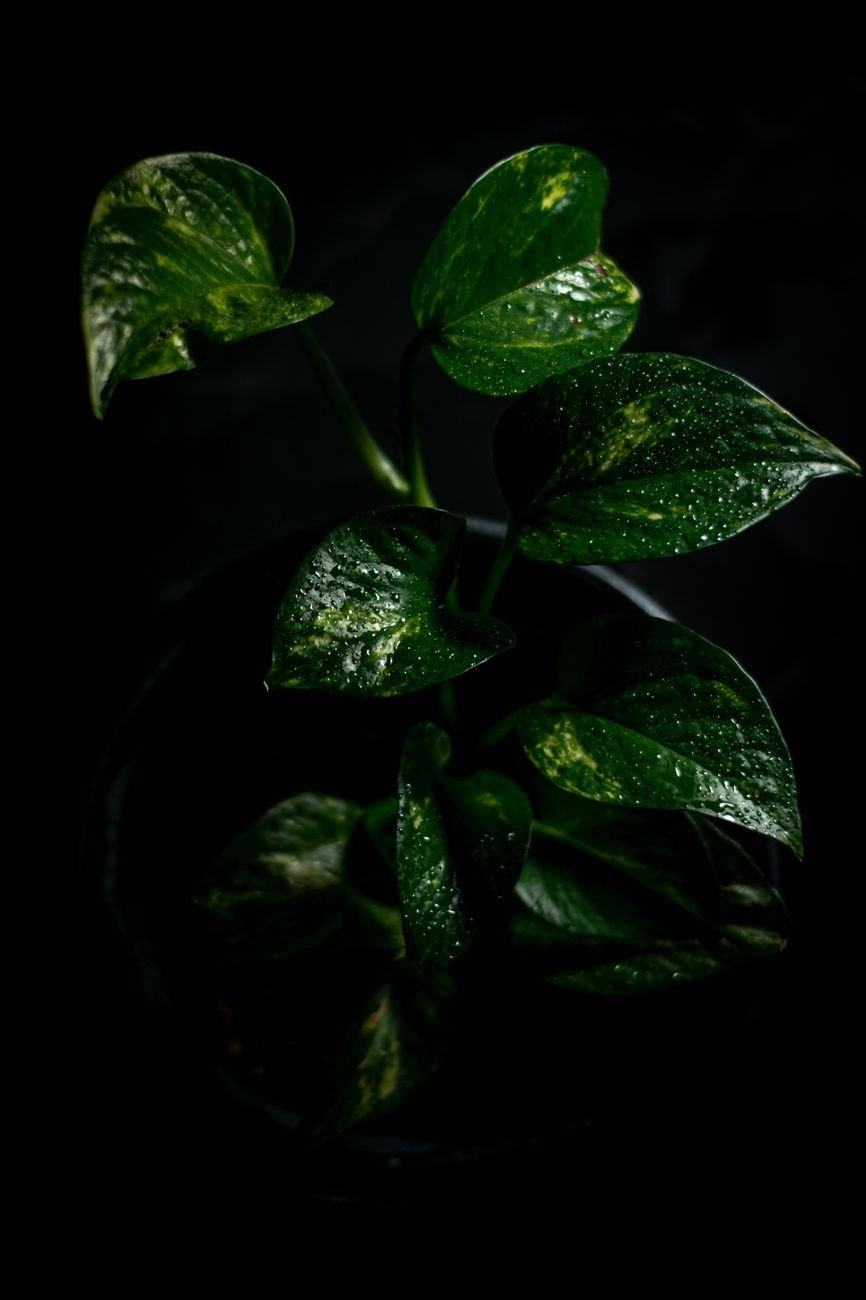

Golden Pothos: Your UAE Balcony’s Best Friend
For UAE residents seeking a vibrant, low-maintenance plant to brighten their balconies and indoor spaces, look no further than the Golden Pothos, scientifically known as Epipremnum aureum. Often called Devil’s Ivy, this resilient plant is exceptionally well-suited to the challenging climate of the United Arab Emirates, offering lush greenery with minimal effort. This article provides a comprehensive guide for UAE-based plant enthusiasts, expat gardeners, and those looking to purchase Golden Pothos and related products on Amazon.ae.
Why Golden Pothos Thrives in the UAE
The Golden Pothos’s popularity stems from its adaptability and tolerance of neglect. Here’s why it’s a great choice for UAE gardens:
* Shade Tolerance: While it appreciates bright, indirect light, the Golden Pothos thrives in the shade, making it ideal for balconies that receive limited direct sunlight. This is crucial in the UAE, where the intense sun can quickly scorch sun-sensitive plants.
* Drought Resistance: Pothos can tolerate periods of dryness, a valuable trait in a climate where forgetting to water is a common occurrence.
* Air Purification: Like many houseplants, Pothos helps purify indoor air, removing common pollutants. This is especially beneficial in air-conditioned homes and offices in the UAE.
* Easy Propagation: Easily propagated from cuttings, a single Pothos can become a thriving collection in no time.
* Versatility: Pothos can be grown in hanging baskets, pots, or even trained to climb, adding visual interest to any space.
Choosing the Right Golden Pothos for Your UAE Balcony
While all Golden Pothos share similar characteristics, variations in leaf color and pattern exist. Here are some common cultivars:
* Golden Pothos (Epipremnum aureum): The classic variety with green leaves marbled with gold.
* Marble Queen Pothos: Features heavily variegated leaves with white and green patterns. Requires slightly more light than the Golden Pothos.
* Neon Pothos: Boasts vibrant, chartreuse-colored leaves.
* Jade Pothos: Exhibits solid green leaves, making it a good choice for lower-light environments.
* Manjula Pothos: Features rounded, heart-shaped leaves with a mix of green, white, and silver variegation. This variety tends to be slower growing.
Consider the amount of light your balcony receives when choosing a cultivar. If your balcony is heavily shaded, a Jade Pothos might be a better choice than a Marble Queen, which needs more light to maintain its variegation.
Golden Pothos Care: A Guide for UAE Gardeners
Caring for Golden Pothos in the UAE requires adapting to the unique environmental conditions. Here’s a comprehensive care guide:
Light
Golden Pothos thrives in bright, indirect light. Avoid direct sunlight, especially during the hottest hours of the day, as it can scorch the leaves. A north- or east-facing balcony is ideal. If you’re growing Pothos indoors, place it near a window that receives filtered sunlight. If natural light is limited, consider using a grow light. Several affordable LED grow lights are available on Amazon.ae, specifically designed for indoor plants.
Watering
Allow the soil to dry out slightly between waterings. Overwatering is a common problem that can lead to root rot. In the UAE’s hot climate, you may need to water more frequently during the summer months, but always check the soil moisture before watering. Reduce watering during the cooler winter months.
Humidity
While Pothos can tolerate relatively low humidity, it thrives in higher humidity levels. The dry air in many UAE homes and offices, due to air conditioning, can be detrimental. To increase humidity:
* Mist the leaves regularly: Use a spray bottle to mist the leaves with water every few days.
* Use a humidity tray: Place the pot on a tray filled with pebbles and water. As the water evaporates, it will increase the humidity around the plant. You can find stylish humidity trays on Amazon.ae.
* Group plants together: Grouping plants together creates a microclimate with higher humidity.
* Use a humidifier: A humidifier can significantly increase humidity levels in your home or office.
Soil
Use a well-draining potting mix. A mixture of peat moss, perlite, and vermiculite is ideal. Avoid heavy, clay-based soils, as they retain too much moisture and can lead to root rot. You can find suitable potting mixes at garden centers or on Amazon.ae.
Fertilizing
Fertilize your Golden Pothos every 2-4 weeks during the growing season (spring and summer) with a balanced liquid fertilizer diluted to half strength. Reduce or stop fertilizing during the winter months. Look for fertilizers specifically formulated for houseplants on Amazon.ae.
Temperature
Golden Pothos prefers temperatures between 18°C and 29°C (65°F and 85°F). Avoid exposing the plant to temperatures below 10°C (50°F).
Pruning
Prune your Pothos regularly to encourage bushier growth and remove any yellow or brown leaves. You can propagate the cuttings to create new plants. Pruning also helps maintain the desired shape and size of the plant.
Pests and Diseases
Golden Pothos is relatively pest-resistant, but it can occasionally be affected by mealybugs, spider mites, or aphids. Inspect your plant regularly for signs of infestation and treat promptly with insecticidal soap or neem oil. Root rot is a common problem caused by overwatering. If you suspect root rot, repot the plant in fresh soil and reduce watering.
Propagating Golden Pothos: A Simple Guide
Propagating Golden Pothos is incredibly easy, making it a rewarding way to expand your plant collection. Here’s how:
- Take a cutting: Using clean, sharp scissors or pruning shears, cut a stem section that includes at least one leaf and one node (the point where a leaf grows from the stem).
- Root in water: Place the cutting in a glass or jar of water, ensuring that the node is submerged.
- Wait for roots to develop: Place the jar in a bright, indirect light location and change the water every few days. Roots should start to develop within a few weeks.
- Plant in soil: Once the roots are about 2-3 inches long, plant the cutting in a pot filled with well-draining potting mix.
- Care for the new plant: Water the newly planted cutting regularly and provide bright, indirect light.
Alternatively, you can plant the cutting directly into moist potting mix. Keep the soil consistently moist until the roots develop.
Troubleshooting Common Pothos Problems in the UAE
Even with proper care, you may encounter some common problems with your Golden Pothos. Here’s how to troubleshoot them:
* Yellowing leaves: Can be caused by overwatering, underwatering, or nutrient deficiency. Adjust your watering schedule and fertilize as needed.
* Brown leaf tips: Often caused by low humidity or dry air. Increase humidity by misting the leaves, using a humidity tray, or grouping plants together.
* Leggy growth: Can be caused by insufficient light. Move the plant to a brighter location or supplement with a grow light.
* Root rot: Caused by overwatering. Repot the plant in fresh soil and reduce watering.
Golden Pothos: A Table of Care Guidelines
| Aspect | Guideline |
|---|---|
| Light | Bright, indirect light. Avoid direct sunlight. |
| Watering | Allow soil to dry slightly between waterings. |
| Humidity | Prefers high humidity. Mist regularly, use a humidity tray, or group plants together. |
| Soil | Well-draining potting mix. |
| Fertilizing | Every 2-4 weeks during the growing season with a balanced liquid fertilizer. |
| Temperature | 18°C – 29°C (65°F – 85°F). |
Finding Golden Pothos and Supplies on Amazon.ae
Amazon.ae offers a wide selection of Golden Pothos plants, pots, potting mixes, fertilizers, and other supplies you need to care for your plant. Here are some search terms to get you started:
* “Golden Pothos plant”
* “Devil’s Ivy plant”
* “Indoor plant pots”
* “Hanging planters for balcony”
* “Potting mix for houseplants”
* “Liquid fertilizer for houseplants”
* “Humidity tray for plants”
* “LED grow light for indoor plants”
Remember to read customer reviews before making a purchase to ensure you’re buying from a reputable seller.
Golden Pothos: A Sustainable Choice
Golden Pothos is not only beautiful and easy to care for, but it’s also a sustainable choice. Its air-purifying properties help improve indoor air quality, reducing the need for air fresheners and other chemical products. Propagating your own plants reduces the demand for commercially grown plants, which often require significant resources to produce and transport.
Conclusion: Embrace the Golden Pothos for a Greener UAE Home
The Golden Pothos is an excellent choice for UAE residents looking to add a touch of greenery to their balconies and indoor spaces. Its adaptability, low maintenance requirements, and air-purifying properties make it a valuable addition to any home. With proper care and attention, your Golden Pothos will thrive in the UAE climate, bringing beauty and tranquility to your life.
Frequently Asked Questions (FAQs)
Is Golden Pothos toxic to pets?
Yes, Golden Pothos is toxic to cats and dogs if ingested. It contains calcium oxalate crystals that can cause oral irritation, excessive drooling, vomiting, and difficulty swallowing. Keep the plant out of reach of pets.
How often should I water my Golden Pothos in the UAE?
Watering frequency depends on the temperature, humidity, and soil type. As a general rule, allow the soil to dry out slightly between waterings. Check the soil moisture by sticking your finger into the soil. If the top inch feels dry, it’s time to water. In the hot summer months, you may need to water more frequently.
Why are the leaves of my Golden Pothos turning yellow?
Yellowing leaves can be caused by several factors, including overwatering, underwatering, nutrient deficiency, or insufficient light. Adjust your watering schedule, fertilize as needed, and ensure the plant is receiving adequate light.
Can I grow Golden Pothos in a hanging basket on my balcony?
Yes, Golden Pothos is an excellent choice for hanging baskets. Its trailing vines create a beautiful cascading effect. Choose a well-draining potting mix and water regularly.
My Golden Pothos is not growing. What should I do?
Slow growth can be caused by several factors, including insufficient light, nutrient deficiency, or rootbound conditions. Move the plant to a brighter location, fertilize regularly, and repot the plant into a larger pot if it’s rootbound.