
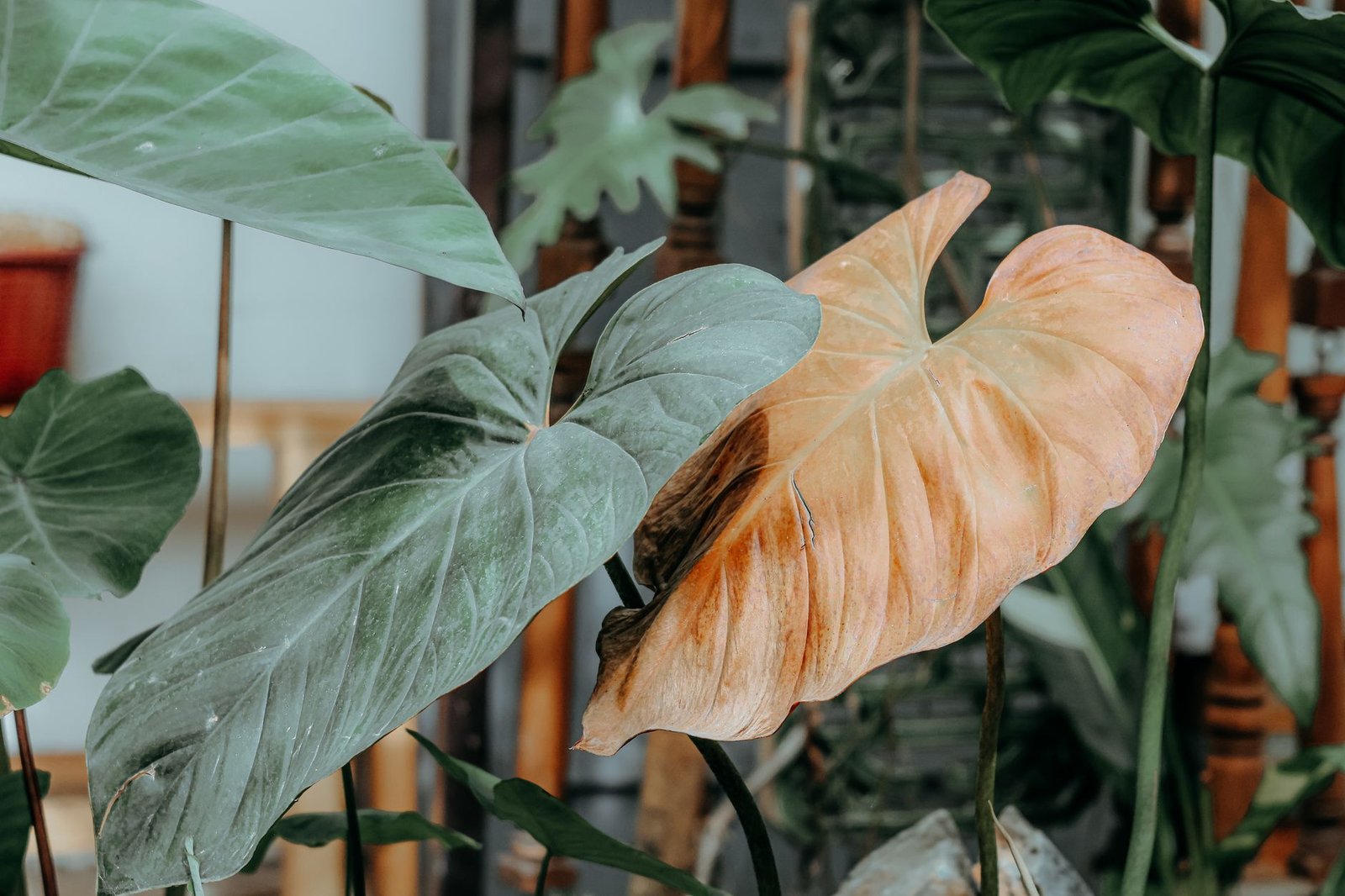

The rare plant market, particularly for Philodendrons, continues its upward trajectory. As we approach 2026, strategic investment in select species, coupled with expert cultivation practices, offers significant potential for substantial returns. This guide is designed for the serious plant collector, willing to invest in premium equipment and dedicate the necessary resources to maximize the value of their collection.
Understanding the Rare Philodendron Market in 2026
The rare Philodendron market is driven by several factors: rarity, variegation, growth form, and collector demand. Some species, like the Philodendron Spiritus Sancti or highly variegated forms of Philodendron Gloriosum, command prices in the thousands of dollars. Before investing, it’s crucial to understand the current market value, projected trends, and the factors influencing price fluctuations.
Data-Driven Insights: In 2023, a mature Philodendron Spiritus Sancti sold for upwards of $8,000. Market analysis projects a potential increase of 15-20% annually for well-maintained specimens of this species through 2026, assuming continued rarity and strong collector demand. However, new propagation techniques could decrease this value, so monitoring market trends is essential. Similarly, highly variegated Philodendron Gloriosum ‘Dark Form’ are currently selling for $1,500-$3,000 per node. The variegation stability and leaf quality significantly impact pricing.
Essential Equipment for Maximizing Growth and Value
Investing in premium equipment is non-negotiable for maximizing the growth, health, and ultimately, the resale value of rare Philodendrons. Here’s a breakdown of essential equipment categories:
1. Professional Grow Light Systems
Adequate lighting is paramount for healthy growth and vibrant coloration. Cheap LED grow lights simply won’t cut it. Invest in full-spectrum LED systems designed for horticultural use. Look for models with adjustable intensity and spectrum control.
ROI Analysis: A $300 investment in a high-quality grow light can increase growth rate by 30-50% compared to cheaper alternatives. For a plant like Philodendron Spiritus Sancti, this translates to faster maturation and potentially earlier propagation, leading to increased revenue.
Recommended Features:
- Full-spectrum output (including UV and IR)
- Adjustable intensity and spectrum controls
- High PAR (Photosynthetically Active Radiation) output
- Efficient heat dissipation
- Timer function
| Grow Light System | Price Tier | Key Features | Estimated Lifespan |
|---|---|---|---|
| Spider Farmer SF-2000 Pro | Mid-Range ($300-$400) | Samsung LM301B LEDs, Dimmable, Full Spectrum | 50,000 hours |
| HLG 300L B Spec | High-End ($450-$550) | High PAR Output, Optimized Spectrum for Veg & Bloom | 50,000 hours |
| Gavita Pro 1700e LED | Premium ($800+) | Maximum Output, Precise Spectrum Control, Commercial Grade | 50,000+ hours |
2. Environmental Control Systems
Maintaining optimal humidity and temperature is crucial. Invest in a high-quality humidifier, dehumidifier, and environmental controller.
Specific Requirements: Most rare Philodendrons thrive in humidity levels between 60-80%. Temperatures should be maintained between 65-80°F (18-27°C). Consistent environmental control minimizes stress and promotes healthy growth.
3. Premium Soil Mixes and Amendments
Avoid generic potting soil. Invest in custom soil mixes formulated for epiphytic plants like Philodendrons. These mixes should provide excellent drainage, aeration, and nutrient retention.
Recommended Components:
- Coco coir
- Orchid bark
- Perlite
- Worm castings
- Activated charcoal
Premium Option: Consider adding beneficial microbes like mycorrhizae to enhance nutrient uptake. A premium soil mix can cost $30-$50 per cubic foot, but the improved growth and health justify the investment.
4. Advanced Propagation Equipment
Propagation is key to maximizing your investment. Invest in a sterile environment, rooting hormones, and humidity domes.
Cost-Benefit Analysis: A $100 investment in a propagation station can significantly increase your success rate, leading to more viable cuttings and increased revenue. Using rooting hormones like Clonex can improve rooting success by 20-30%.
Cultivation Techniques for Rare Philodendrons
Expert cultivation techniques are essential for maximizing the growth and value of your rare Philodendrons.
1. Watering and Fertilization
Overwatering is a common mistake. Allow the soil to dry slightly between waterings. Use filtered water or rainwater to avoid mineral buildup. Fertilize regularly with a balanced liquid fertilizer diluted to half strength. Consider using a slow-release fertilizer for consistent nutrient supply.
2. Pest and Disease Management
Prevention is key. Regularly inspect your plants for pests and diseases. Use neem oil or insecticidal soap to control infestations. Ensure good air circulation to prevent fungal diseases.
- Quarantine New Plants: Isolate new plants for at least two weeks to prevent the spread of pests and diseases.
- Regular Inspection: Inspect your plants weekly for signs of pests or diseases. Pay close attention to the undersides of leaves and stems.
- Neem Oil Treatment: Mix neem oil with water according to the manufacturer’s instructions. Spray the affected plant thoroughly, ensuring to cover all surfaces.
- Insecticidal Soap: Use insecticidal soap as an alternative to neem oil. Follow the same application instructions.
- Systemic Insecticides (Advanced): For severe infestations, consider using a systemic insecticide. Follow the manufacturer’s instructions carefully.
3. Support Structures
Many Philodendrons are vining plants and require support structures like moss poles or trellises. These structures provide support for aerial roots and encourage larger leaf growth.
- Choose the Right Support: Select a moss pole, trellis, or other support structure that is appropriate for the size and growth habit of your Philodendron.
- Prepare the Support: If using a moss pole, soak it in water for several hours before attaching the plant.
- Attach the Plant: Gently attach the plant to the support structure using plant ties or twine. Ensure that the aerial roots are in contact with the moss pole.
- Maintain Moisture: Regularly mist the moss pole to keep it moist, encouraging the aerial roots to grow into the moss.
4. Temperature and Humidity Control
Maintain consistent temperature and humidity levels. Use a humidifier to increase humidity and a dehumidifier to reduce humidity if necessary. Avoid sudden temperature fluctuations.
Investment Strategies for Rare Philodendrons
Several investment strategies can be employed, depending on your risk tolerance and capital.
1. Focus on High-Demand Species
Invest in species with proven market value and strong collector demand, such as Philodendron Spiritus Sancti, Philodendron Gloriosum (variegated forms), and Philodendron Melanochrysum (highly sought-after clones).
2. Specialize in Variegation
Variegated forms of common Philodendrons can command high prices. Focus on propagating and stabilizing highly variegated specimens.
3. Target Emerging Markets
Research emerging markets and identify species with potential for future growth. Consider investing in lesser-known species with unique characteristics.
4. Master Propagation Techniques
Proficient propagation skills allow you to multiply your investment rapidly. Focus on mastering techniques like air layering, stem cuttings, and tissue culture.
Potential Risks and Mitigation Strategies
The rare plant market is not without risks. Market fluctuations, pests and diseases, and propagation failures can all impact your investment.
1. Market Fluctuations
Monitor market trends and adjust your investment strategy accordingly. Diversify your collection to reduce risk.
2. Pests and Diseases
Implement a strict pest and disease management program. Quarantine new plants and regularly inspect your collection.
3. Propagation Failures
Improve your propagation techniques and invest in high-quality propagation equipment. Use rooting hormones and maintain a sterile environment.
4. Over-Saturation of the Market
Be aware that increased propagation can decrease the value of certain species. Stay ahead of the curve by focusing on rare and unique varieties.
ROI Calculation Example: Philodendron Spiritus Sancti
Initial Investment:
- Plant Acquisition: $5,000 (Young Plant)
- Equipment (Lights, Humidifier, Soil): $1,000
- Total Initial Investment: $6,000
Projected Growth and Propagation:
- Time to Maturity: 2 years
- Number of Cuttings per Year (after maturity): 2
- Sale Price per Cutting: $2,500
Revenue:
- Year 3 Revenue: 2 cuttings x $2,500 = $5,000
- Year 4 Revenue: 2 cuttings x $2,500 = $5,000
ROI Calculation:
- Total Revenue (Years 3 & 4): $10,000
- Net Profit: $10,000 – $6,000 = $4,000
- ROI: ($4,000 / $6,000) x 100% = 66.67%
Note: This is a simplified example. Actual results may vary depending on growth rates, market conditions, and other factors.
Conclusion
Investing in rare Philodendrons can be a lucrative venture, but it requires a significant investment of time, resources, and expertise. By investing in premium equipment, mastering cultivation techniques, and implementing a sound investment strategy, you can maximize your returns and build a valuable collection. Remember to stay informed about market trends and adapt your strategy accordingly to navigate the dynamic rare plant market successfully in 2026 and beyond.
FAQ
What are the most profitable rare Philodendron species to invest in for 2026?
Based on current market trends and projected demand, Philodendron Spiritus Sancti, highly variegated forms of Philodendron Gloriosum (especially ‘Dark Form’), and select clones of Philodendron Melanochrysum continue to offer strong potential returns. However, continuous market monitoring is crucial as trends can shift rapidly.
How much should I budget for equipment to properly grow rare Philodendrons?
A budget of $1,000-$2,000 is recommended for essential equipment, including a professional grow light system ($300-$800), a high-quality humidifier ($100-$300), an environmental controller ($50-$150), and premium soil mixes ($50-$100 per cubic foot). Higher budgets allow for more advanced equipment and automation.
What are the key factors that influence the price of rare Philodendrons?
The primary factors include rarity, variegation (stability and intensity), growth form (e.g., mature specimens command higher prices), and overall plant health. Collector demand, influenced by social media and online marketplaces, also plays a significant role.
What are the best practices for preventing pests and diseases in rare Philodendrons?
Quarantine new plants for at least two weeks. Regularly inspect your plants for signs of pests or diseases. Maintain good air circulation. Use neem oil or insecticidal soap for infestations. Avoid overwatering. Consider using beneficial insects for pest control.
What is the best way to propagate rare Philodendrons?
Stem cuttings are a common and effective method. Air layering is also a viable option for larger plants. Tissue culture is a more advanced technique that can produce a large number of plants quickly. Use rooting hormones to improve success rates and maintain a sterile environment.