
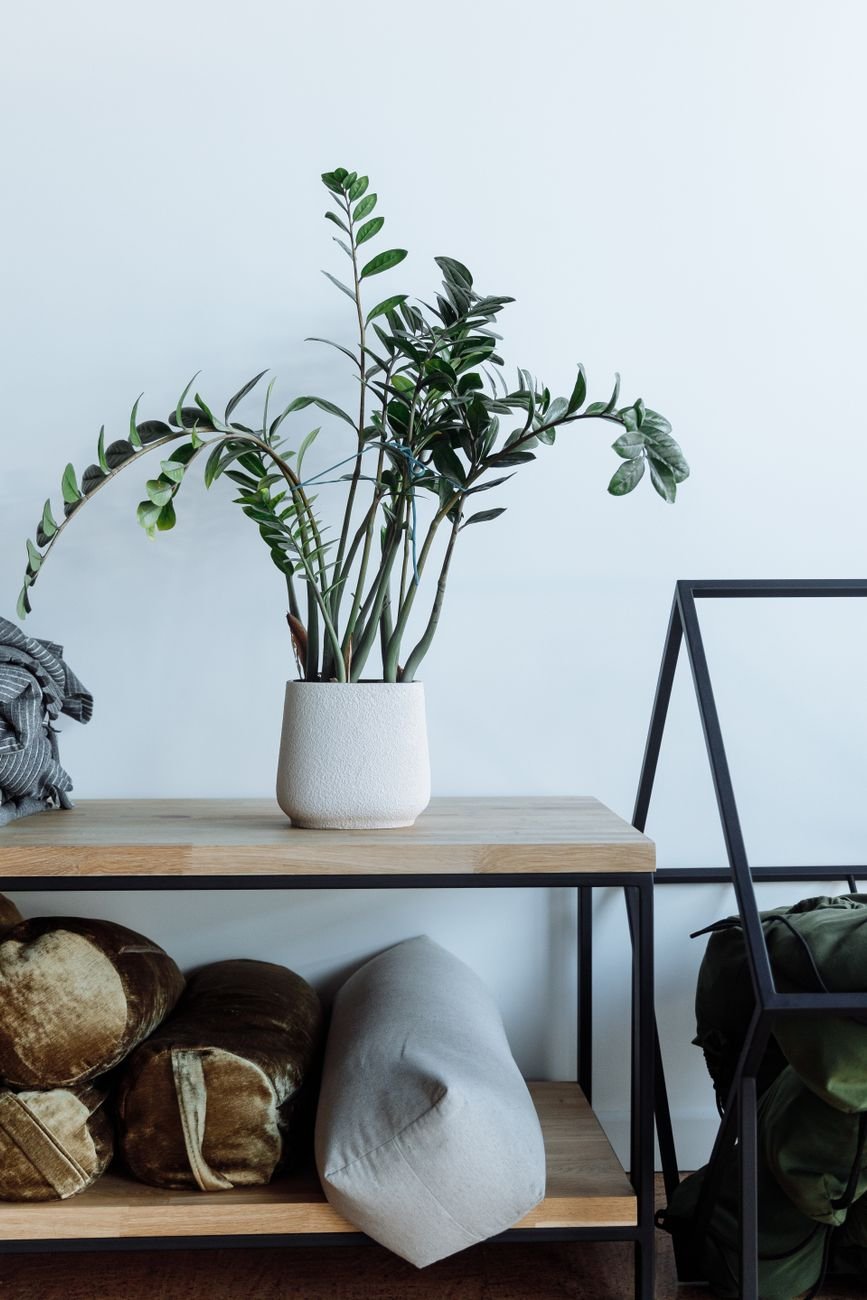

The ZZ Plant: A Beginner’s Best Friend
The ZZ plant, scientifically known as Zamioculcas zamiifolia, is a popular houseplant celebrated for its resilience and low-maintenance nature. Native to East Africa, it thrives on neglect, making it an ideal choice for beginner plant parents and those with busy lifestyles. Its glossy, dark green leaves add a touch of elegance to any indoor space, and its ability to purify air makes it a valuable addition to your home.
Why Choose a ZZ Plant?
- Extremely Low Maintenance: Tolerates infrequent watering and low light conditions.
- Air Purifying: Helps remove toxins from the air.
- Visually Appealing: Adds a modern touch with its sleek, upright foliage.
- Drought Tolerant: Can survive long periods without water.
- Pest Resistant: Less susceptible to common houseplant pests.
Understanding ZZ Plant Basics
Before diving into the care specifics, it’s essential to understand the unique characteristics of the ZZ plant. These plants store water in their rhizomes (underground stems), which explains their exceptional drought tolerance. This also means overwatering is the most common mistake made by ZZ plant owners.
ZZ Plant Varieties
While the classic green ZZ plant is the most common, several other varieties offer unique aesthetics:
| Variety | Description | Light Needs |
|---|---|---|
| Classic Green ZZ Plant | Glossy, dark green leaves. | Low to bright indirect light |
| Raven ZZ Plant | New growth is green, maturing to almost black. | Low to bright indirect light |
| Variegated ZZ Plant | Green leaves with splashes of yellow or white. | Bright indirect light (to maintain variegation) |
| Dwarf ZZ Plant | Smaller than the classic variety, reaching only about 1-2 feet tall. | Low to bright indirect light |
ZZ Plant Care: A Step-by-Step Guide
Follow these steps to ensure your ZZ plant thrives:
1. Choosing the Right Pot and Soil
Select a pot with drainage holes to prevent waterlogging. Terra cotta pots are a great option as they allow the soil to dry out more quickly. As for soil, a well-draining potting mix is crucial. A cactus or succulent mix, or a blend of regular potting mix with perlite and coarse sand, works well. You can find high-quality cactus potting mix on Amazon.
2. Watering Your ZZ Plant
This is where most people go wrong! ZZ plants prefer to dry out completely between waterings. Overwatering can lead to root rot, which is fatal. Here’s how to water correctly:
- Check the Soil: Insert a moisture meter into the soil. Water only when the top 2-3 inches are completely dry.
- Water Thoroughly: When watering, saturate the soil until water drains out of the drainage holes.
- Discard Excess Water: Never let your ZZ plant sit in standing water. Empty the saucer beneath the pot.
- Watering Frequency: This will vary depending on the environment, but generally, water every 2-4 weeks. In winter, you may only need to water once a month.
3. Light Requirements
ZZ plants are incredibly adaptable to different light conditions. They can tolerate low light, but they will thrive in bright, indirect light. Avoid direct sunlight, which can scorch the leaves. If you don’t have enough natural light, consider using a grow light to supplement their needs.
4. Temperature and Humidity
ZZ plants prefer temperatures between 65°F and 75°F (18°C and 24°C). They are not particularly sensitive to humidity, so normal household humidity levels are sufficient.
5. Fertilizing Your ZZ Plant
ZZ plants are not heavy feeders. Fertilize sparingly, only during the growing season (spring and summer). Use a balanced liquid fertilizer diluted to half strength, about once every two months. Avoid fertilizing in the fall and winter.
6. Repotting
ZZ plants grow slowly and don’t need to be repotted frequently. Repot only when the plant becomes root-bound, typically every 2-3 years. Choose a pot that is only slightly larger than the previous one. Use the same well-draining potting mix.
7. Pruning
Pruning is generally not necessary for ZZ plants. However, you can remove any yellowing or damaged leaves to maintain the plant’s appearance. Use clean, sharp scissors or pruning shears.
Propagating ZZ Plants
ZZ plants can be easily propagated through several methods:
Leaf Cuttings
- Select Healthy Leaves: Choose healthy, mature leaves from the plant.
- Cut the Leaves: Carefully cut the leaves from the stem.
- Callus Over: Allow the cut ends of the leaves to callus over for a few days. This helps prevent rot.
- Plant in Soil: Plant the calloused ends of the leaves in a well-draining potting mix.
- Water Sparingly: Keep the soil slightly moist, but not soggy.
- Be Patient: It can take several months for roots to develop and new growth to appear.
Rhizome Division
- Remove the Plant: Gently remove the ZZ plant from its pot.
- Divide the Rhizomes: Carefully separate the rhizomes into smaller sections, ensuring each section has roots and stems.
- Repot: Plant each section in its own pot with well-draining potting mix.
- Water: Water thoroughly after repotting.
Stem Cuttings
- Take a Cutting: Cut a stem section that is about 4-6 inches long.
- Remove Lower Leaves: Remove the leaves from the bottom half of the cutting.
- Rooting Hormone (Optional): Dip the cut end in rooting hormone to encourage root growth.
- Plant in Soil: Plant the cutting in a well-draining potting mix.
- Water Sparingly: Keep the soil slightly moist, but not soggy.
- Provide Humidity: Cover the cutting with a plastic bag or place it in a humidity dome to increase humidity.
Common ZZ Plant Problems and Solutions
While ZZ plants are generally trouble-free, here are some common issues and how to address them:
Yellowing Leaves
- Cause: Overwatering is the most common cause.
- Solution: Allow the soil to dry out completely between waterings. Check the drainage and ensure the plant is not sitting in standing water.
Drooping Leaves
- Cause: Underwatering or extreme temperature fluctuations.
- Solution: Check the soil moisture and water if dry. Ensure the plant is not exposed to drafts or extreme temperatures.
Root Rot
- Cause: Overwatering.
- Solution: Remove the plant from the pot and inspect the roots. Cut away any black or mushy roots. Repot in fresh, well-draining potting mix. Be very careful with watering going forward.
Pests
- Cause: Rarely, ZZ plants can be affected by pests such as mealybugs or spider mites.
- Solution: Wipe the leaves with a damp cloth or use insecticidal soap. For severe infestations, consider using neem oil.
Toxicity
ZZ plants are toxic if ingested. Keep them out of reach of children and pets. If ingested, contact a medical professional or veterinarian.
Where to Buy ZZ Plants
ZZ plants are widely available at most nurseries, garden centers, and even online retailers like Amazon. When selecting a ZZ plant, choose one with healthy, green foliage and firm rhizomes.
Conclusion
The ZZ plant is a fantastic choice for anyone looking for a low-maintenance, visually appealing houseplant. With proper care, it can thrive for many years, bringing beauty and clean air to your home. Remember the key is to avoid overwatering and provide adequate light. Happy growing! Check out our other guide on Snake Plant Care for another easy to care for plant!
FAQ
How often should I water my ZZ plant?
Water your ZZ plant only when the top 2-3 inches of soil are completely dry. This usually translates to every 2-4 weeks, but it depends on your environment.
Can ZZ plants tolerate low light?
Yes, ZZ plants are very tolerant of low light conditions. However, they will grow best in bright, indirect light.
Why are the leaves of my ZZ plant turning yellow?
Yellowing leaves are usually a sign of overwatering. Allow the soil to dry out completely between waterings.
Is the ZZ plant toxic to pets?
Yes, ZZ plants are toxic if ingested by pets. Keep them out of reach of animals.
How do I propagate a ZZ plant?
ZZ plants can be propagated through leaf cuttings, rhizome division, or stem cuttings.
What kind of soil should I use for my ZZ plant?
Use a well-draining potting mix, such as a cactus or succulent mix, or a blend of regular potting mix with perlite and coarse sand.