
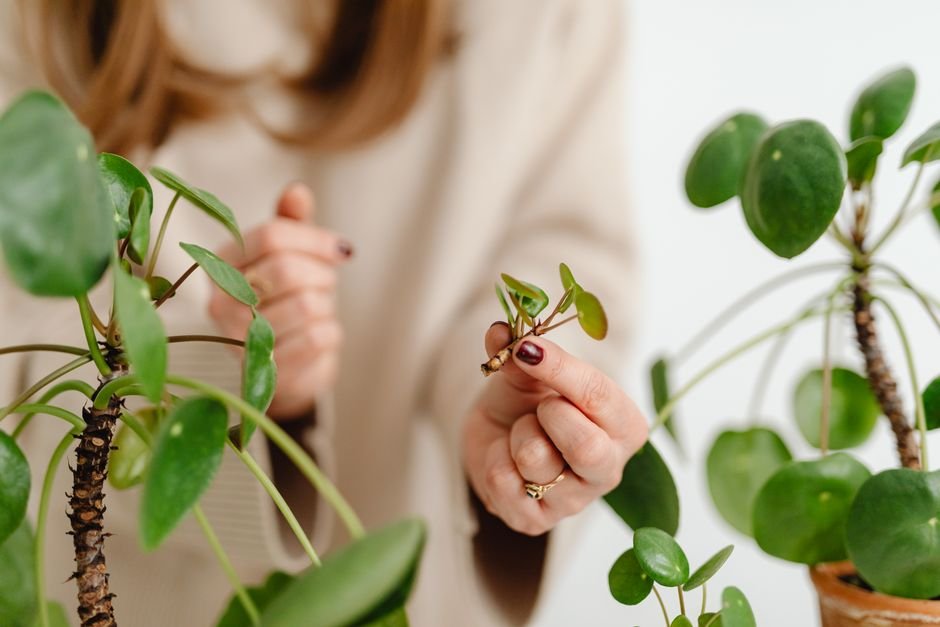

Pilea peperomioides, often affectionately called the Chinese Money Plant, Pancake Plant, or UFO Plant, has captivated US plant enthusiasts with its unique coin-shaped leaves and generally easy-care reputation. Its charming appearance makes it a favorite for both beginners and seasoned collectors, gracing countless social media feeds and home interiors. While generally forgiving, understanding its specific needs is paramount to cultivating a truly flourishing specimen. This comprehensive guide will equip you with expert Pilea Peperomioides care tips, ensuring your Chinese Money Plant thrives, producing abundant “pups” and vibrant, healthy foliage.
Optimal Lighting and Placement for Your Pilea
Pilea peperomioides thrives in bright, indirect light. Mimicking its natural understory habitat, direct, harsh sun, especially during peak afternoon hours, can scorch its delicate leaves, leading to unsightly discoloration and brown spots. An east or north-facing window is often ideal, providing gentle morning light or consistent ambient brightness throughout the day. If your only option is a south or west-facing window, place the plant a few feet back from the glass or use a sheer curtain to diffuse the intensity. To promote even growth and prevent your Pilea from leaning excessively towards the light source, rotate your plant regularly, perhaps once a week.
Understanding Light Intensity
Assessing the perfect light level can be tricky. If your Pilea’s leaves are curling downwards, resembling a taco, it might be receiving too much light. Conversely, if new leaves are small and widely spaced on leggy stems, it could be signaling a need for more light. For darker rooms or during shorter winter days, consider supplementing with a full-spectrum LED grow light, such as a GE BR30 LED Grow Light Bulb (available for around $25-30), which can provide the necessary intensity without excessive heat, promoting lush growth.
Watering Techniques and Humidity Needs
The key to successful watering for your Pilea is consistency without overdoing it. Allow the top 1-2 inches of soil to dry out completely between waterings. Overwatering is a common killer, leading to dreaded root rot, which can quickly devastate your plant. A simple finger test works well, or for more precision, invest in a reliable soil moisture meter (like the XLUX T10 Soil Moisture Meter, typically $12-15 on Amazon). Water thoroughly until it drains freely from the bottom of the pot, then promptly discard any excess water collected in the saucer. Reduce watering frequency in fall and winter when the plant’s growth naturally slows down.
Boosting Humidity
While Pilea peperomioides tolerates average household humidity levels, it truly appreciates higher humidity, ideally between 50-70%. Dry air, especially prevalent in heated homes during winter, can lead to crispy leaf edges or stunted growth. You can easily increase humidity by placing the pot on a pebble tray filled with water (ensuring the pot isn’t sitting directly in the water), grouping it with other humidity-loving plants, or using a small room humidifier. While misting can provide a temporary boost, it’s generally less effective for sustained humidity than other methods.
Choosing the Right Potting Mix and Fertilization
Pilea requires a well-draining potting mix to prevent waterlogging and ensure healthy root aeration. A standard indoor potting mix amended with perlite or coarse sand (about a 2:1 or 3:1 ratio of soil to amendment) works wonderfully. This combination allows for good moisture retention while ensuring excess water drains away quickly. Brands like Foxfarm Ocean Forest Potting Soil or Espoma Organic Potting Mix are excellent choices, often providing a good organic base with beneficial nutrients. Good drainage is paramount for healthy roots and preventing fungal issues.
For fertilization, Pilea are not heavy feeders. During the active growing season (spring and summer), feed monthly with a balanced liquid houseplant fertilizer diluted to half strength. A good option is Dyna-Gro Grow (7-9-5) or a similar all-purpose liquid feed, which provides essential macro and micronutrients. Avoid fertilizing in fall and winter when the plant is dormant, as this can lead to nutrient burn. Always err on the side of less fertilizer rather than more.
Propagation: Multiplying Your Money Plant
One of the most rewarding aspects of owning a Pilea peperomioides is its prolific production of “pups” or offsets. These small plantlets emerge from the soil around the base of the mother plant or sometimes directly from the main stem. Propagating them is straightforward and a fantastic way to expand your collection or share the joy with friends and family.
- Identify Pups: Look for pups that are at least 2-3 inches tall and have developed a few leaves. These larger pups are more likely to survive transplanting successfully.
- Prepare Tools: Sterilize a sharp knife or a pair of clean scissors with rubbing alcohol to prevent introducing diseases to the mother plant or pup.
- Separate from Mother Plant: Gently dig around the base of the pup to locate its roots. Carefully cut the pup away from the mother plant, ensuring you get some roots attached if possible. If the pup is growing directly from the main stem, carefully slice it off with a small piece of stem.
- Planting: Plant the separated pup in a small pot (2-4 inches) filled with fresh, well-draining potting mix. If the pup has no roots, you can root it in a small glass of water first before planting in soil; change the water every few days.
- Initial Care: Water thoroughly after planting. Keep the newly potted pup in a warm spot with bright, indirect light. High humidity can aid in establishment, so consider a temporary humidity dome or placing it near a humidifier.
- Patience: It may take a few weeks for the pup to establish its root system and show new growth. Be patient and consistent with its care.
Common Problems and Troubleshooting Your Pilea
Even with diligent care, Pilea peperomioides can occasionally encounter issues. Knowing how to diagnose and address them quickly will keep your plant healthy and happy.
- Curling Leaves: Often indicates too much direct light or underwatering. Assess your plant’s light exposure and check the soil moisture.
- Yellowing Leaves: Typically a sign of overwatering or, less commonly, nutrient deficiency. Always check soil moisture first. If the soil is perpetually wet, consider repotting into fresh, drier soil. If soil is dry, consider a light feeding.
- Brown Spots/Crispy Edges: Can be due to direct sun scorching, low humidity, or inconsistent watering. Review your plant’s environment and watering schedule.
- Leggy Growth: Insufficient light causes the plant to stretch and become elongated with widely spaced leaves. Move your Pilea to a brighter location to encourage more compact growth.
- Pests: Pilea are generally pest-resistant but can occasionally fall victim to common houseplant pests like spider mites or mealybugs. Inspect your plant regularly, especially the undersides of leaves. Treat with neem oil or insecticidal soap if necessary. Early detection is crucial for effective treatment.
Pilea Peperomioides Care Requirements Summary
| Care Aspect | Recommendation |
|---|---|
| Light | Bright, indirect light (East or North-facing window ideal) |
| Water | Allow top 1-2 inches of soil to dry completely; water thoroughly |
| Humidity | Moderate to high (50-70%) preferred |
| Soil | Well-draining, peat-based mix with perlite or coarse sand |
| Temperature | 65-75°F (18-24°C); avoid sudden drops or drafts |
| Fertilizer | Monthly, half-strength liquid fertilizer during spring/summer |
Frequently Asked Questions About Pilea Peperomioides
Why are my Pilea’s leaves drooping?
Drooping leaves can be a sign of either underwatering or overwatering. Check the soil moisture first. If the soil is bone dry, your Pilea is thirsty. If it’s soggy, you might be overwatering, leading to root issues. It can also be a sign of too much direct sunlight.
How often should I repot my Chinese Money Plant?
Pilea generally benefit from repotting annually or biennially, especially if they are growing rapidly or have become root-bound. Choose a pot that is only one size larger than the current one to avoid excessive soil moisture retention.
Is Pilea peperomioides toxic to pets?
Good news for pet owners! Pilea peperomioides is considered non-toxic to cats and dogs by the ASPCA, making it a safe choice for homes with furry friends.
Why isn’t my Pilea producing pups?
Pilea typically start producing pups once they are mature, usually around 1-2 years old. Ensure your plant is receiving adequate bright, indirect light and consistent fertilization during the growing season. A healthy, mature plant is more likely to propagate.
What’s the ideal temperature range for Pilea?
Pilea peperomioides thrives in average room temperatures between 65-75°F (18-24°C). They can tolerate slightly cooler temperatures but should be protected from drafts and temperatures below 50°F (10°C), which can cause stress and damage.
The Pilea peperomioides is a remarkably rewarding houseplant, offering both unique aesthetics and the joy of easy propagation. By following these expert Pilea peperomioides care tips, you’ll ensure your Chinese Money Plant not only survives but truly thrives, becoming a beautiful and conversation-starting centerpiece in your home. Happy planting!