
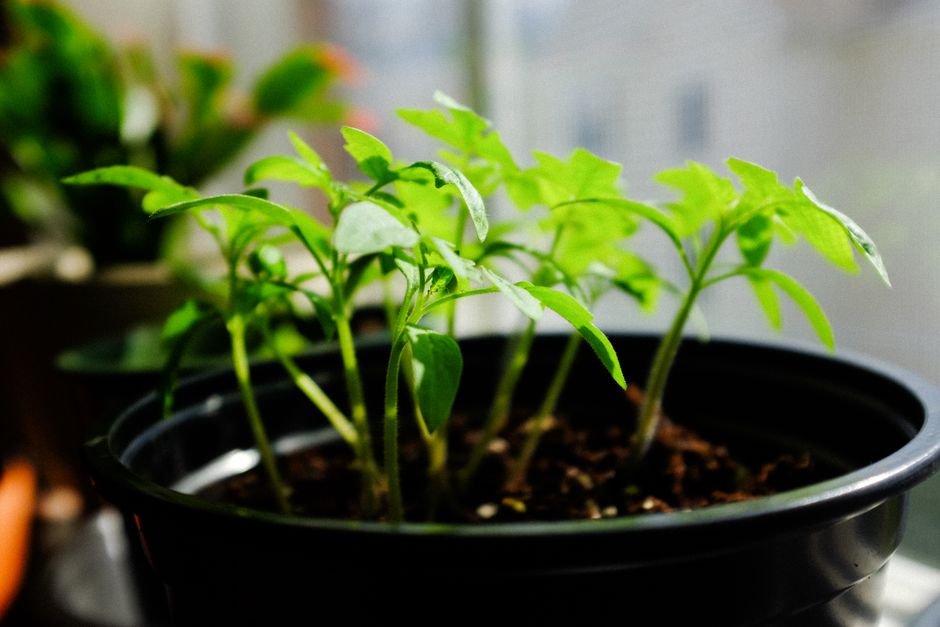

Living in a bustling city like New York often means making the most of limited space and, frequently, limited natural light. As a horticulturist and long-time plant enthusiast, I understand the unique challenges urban dwellers face when cultivating indoor greenery. The dream of a lush, verdant apartment doesn’t have to be dimmed by north-facing windows or towering neighboring buildings. With the right selections, you can transform even the shadiest corners into vibrant sanctuaries. This guide focuses on the best low-light plants for New York apartments, offering practical advice and expert recommendations to help your indoor garden flourish.
Understanding "Low Light" in Urban Settings
Before diving into specific plant recommendations, let’s define what "low light" truly means in an urban apartment context. Unlike open suburban homes, city apartments often contend with light obstruction from adjacent buildings, narrow courtyards, or simply small, shaded windows. Low light typically refers to spaces that receive indirect, ambient light, or very little direct sun for only an hour or two a day. Think of a room where you can comfortably read without artificial lights for most of the day, but direct sunlight never truly hits the floor or walls. These conditions demand plants that are remarkably adaptable and can photosynthesize efficiently with minimal light intensity. Understanding your apartment’s specific light profile – north, east, west, or south-facing windows, and how much they’re blocked – is the first step to success.
Top Picks for Dim Corners: Resilient Low-Light Beauties
Fear not, aspiring urban botanists! Many plants not only tolerate low light but thrive in it, offering beautiful foliage and even blooms. Here are some of my go-to recommendations for low-light indoor plants perfectly suited for New York apartments:
Snake Plant (Sansevieria trifasciata)
Often hailed as the "unkillable" plant, the Snake Plant is a champion of resilience. Its upright, sword-like leaves come in various patterns and colors, adding architectural interest to any space. It can tolerate very low light conditions, infrequent watering, and a wide range of temperatures. Plus, it’s known for its air-purifying qualities. Varieties like ‘Laurentii’ with its yellow margins or ‘Zeylanica’ with its mottled green are popular choices.
ZZ Plant (Zamioculcas zamiifolia)
The ZZ Plant is another incredibly tough contender, boasting glossy, dark green leaves that emerge from thick, water-storing rhizomes. It’s exceptionally drought-tolerant and can survive in incredibly dim conditions, making it perfect for those forgotten corners. It requires very little attention, preferring to be neglected rather than overwatered. Its striking appearance and minimal needs make it a favorite for busy New Yorkers.
- Pothos (Epipremnum aureum): A classic for a reason, Pothos varieties like ‘Golden,’ ‘Marble Queen,’ or ‘Neon’ are incredibly versatile. They tolerate low light, are easy to propagate, and their trailing vines look fantastic on shelves or hanging baskets. Just avoid direct sunlight, which can scorch their leaves.
- Peace Lily (Spathiphyllum spp.): For those who crave blooms, the Peace Lily is a fantastic choice. It produces elegant white "flowers" (actually modified leaves called spathes) even in low light. It’s also an excellent air purifier and will dramatically droop when thirsty, making its watering needs easy to read.
- Spider Plant (Chlorophytum comosum): Known for its arching leaves and adorable "spiderettes" that dangle from the mother plant, the Spider Plant is easy to care for and adaptable to lower light levels. It’s also non-toxic to pets, a big plus for many apartment dwellers.
- Cast Iron Plant (Aspidistra elatior): As its name suggests, this plant is incredibly robust. It boasts large, dark green leaves and can endure very low light, neglect, and temperature fluctuations. It’s a slow grower but incredibly long-lived, truly living up to its "cast iron" reputation.
- Chinese Evergreen (Aglaonema spp.): Available in a stunning array of patterns and colors, from deep greens to vibrant reds and pinks, Chinese Evergreens are beautiful and resilient. They thrive in low to medium indirect light and appreciate consistent humidity.
- Prayer Plant (Maranta leuconeura): Named for its habit of folding its leaves upwards at night, resembling praying hands, this plant offers intricate foliage patterns. While it prefers medium indirect light, it can tolerate lower light conditions, especially if humidity is maintained.
Essential Care Tips for Low-Light Dwellers
While these plants are forgiving, a little attention goes a long way in ensuring their health and vibrancy:
- Mastering the Art of Watering: The biggest mistake with low-light plants is overwatering. Less light means less photosynthesis and slower water uptake. Always check the soil moisture before watering. I recommend investing in a good moisture meter, like the XLUX T10 or Sonkir Soil pH Meter, to accurately gauge soil dampness. For most low-light plants, allow the top 1-2 inches of soil to dry out completely before watering again.
- Humidity Matters: NYC apartments, especially with heating or AC running, can be quite dry. Many tropical plants, even low-light tolerant ones, appreciate higher humidity. Grouping plants together, using a pebble tray, or running a small humidifier can make a significant difference.
- Less is More with Fertilizer: Plants in low light grow slower and require fewer nutrients. Fertilize sparingly, perhaps once every 2-3 months during spring and summer with a diluted, balanced liquid fertilizer (e.g., Dyna-Gro or Liqui-Dirt Nutes). Skip fertilizing entirely in fall and winter.
- Choosing the Right Soil: A well-draining potting mix is crucial. Look for blends designed for indoor plants that contain perlite or coco coir for aeration. Brands like FoxFarm Ocean Forest or Espoma Organic Potting Mix are excellent choices, providing good drainage and some initial nutrients.
- Temperature Stability: Most low-light tropical plants prefer consistent temperatures between 65-80°F (18-27°C). Avoid placing them near drafty windows or heating/AC vents where temperatures fluctuate wildly.
Boosting Growth: Supplemental Light & Other Aids
Even the best low-light plants can benefit from a little extra help, especially during the darker winter months or in exceptionally dim spaces. Compact LED grow lights are a game-changer for apartment dwellers. Look for full-spectrum LED bulbs or strip lights that can be discreetly tucked under shelves or clipped onto furniture. Brands like Sansi or GE BR30 grow light bulbs are popular and effective, costing typically between $20-$50. Even just a few hours a day can significantly improve plant health, leading to more robust growth and vibrant foliage. Remember, these are supplemental, not replacements, for natural light.
Troubleshooting Common Low-Light Plant Problems
Even with the right plants and care, issues can arise. Yellowing lower leaves often indicate overwatering or sometimes a nutrient deficiency (less common for low-light plants). Brown, crispy leaf tips usually point to low humidity. Stunted growth or pale, leggy stems are classic signs that your plant isn’t getting quite enough light, even for a low-light variety. Inspecting your plants regularly for pests like spider mites or fungus gnats (often a sign of overwatering) is also crucial. A gentle wipe with a damp cloth can remove dust, allowing leaves to photosynthesize more efficiently.
Comparing Care Requirements for Low-Light Plants
| Plant Name | Light | Water | Humidity | Soil | Temperature |
|---|---|---|---|---|---|
| Snake Plant | Very Low to Medium Indirect | Allow soil to dry completely | Low to Moderate | Well-draining potting mix | 65-80°F (18-27°C) |
| ZZ Plant | Very Low to Medium Indirect | Allow soil to dry completely | Low to Moderate | Well-draining potting mix | 65-80°F (18-27°C) |
| Pothos | Low to Medium Indirect | Allow top 1-2 inches to dry | Moderate | Standard potting mix | 65-85°F (18-29°C) |
| Peace Lily | Low to Medium Indirect | Keep consistently moist, not soggy | Moderate to High | Moisture-retentive potting mix | 65-80°F (18-27°C) |
| Spider Plant | Low to Medium Indirect | Keep consistently moist, not soggy | Moderate | Well-draining potting mix | 60-80°F (16-27°C) |
| Cast Iron Plant | Very Low to Medium Indirect | Allow soil to dry out between waterings | Low to Moderate | Standard potting mix | 50-85°F (10-29°C) |
| Chinese Evergreen | Low to Medium Indirect | Keep consistently moist, not soggy | Moderate to High | Well-draining, slightly acidic mix | 65-80°F (18-27°C) |
| Prayer Plant | Low to Medium Indirect | Keep consistently moist, not soggy | High | Moisture-retentive potting mix | 65-80°F (18-27°C) |
Frequently Asked Questions About Low-Light Plants
How often should I water low-light plants?
The frequency varies by plant, but a general rule for low-light plants is to err on the side of underwatering. Always check the soil moisture with your finger or a moisture meter. For most, allow the top 1-2 inches of soil to dry out before watering again. This could be every 2-4 weeks, depending on the plant and environmental conditions.
Do low-light plants need fertilizer?
Yes, but much less frequently than plants in brighter conditions. Low light inhibits growth, so they don’t utilize nutrients as quickly. Fertilize once every 2-3 months during the spring and summer growing seasons, using a diluted houseplant fertilizer. Skip fertilization entirely during fall and winter.
Can I use a regular lamp for my low-light plants?
While a regular incandescent or fluorescent lamp provides some light, it’s not optimized for plant growth. Plants need specific light spectrums (red and blue) for photosynthesis. Investing in a dedicated full-spectrum LED grow light (even a small, inexpensive one) will be far more beneficial for their health and growth.
What are signs a low-light plant isn’t getting enough light?
Common signs include stunted or leggy growth (stretching towards a light source), smaller new leaves, pale or dull foliage, and a general lack of vigor. If a variegated plant starts losing its variegation, it’s often trying to produce more chlorophyll to compensate for insufficient light.
Are these low-light plants pet-friendly?
Some are, and some are not. For example, Spider Plants are generally considered non-toxic. However, Snake Plants, ZZ Plants, Pothos, and Peace Lilies are all toxic if ingested by pets. Always research the specific toxicity of any plant before bringing it into a home with pets, or keep toxic plants out of their reach.
Embracing the unique conditions of your New York apartment doesn’t mean sacrificing your green thumb. By choosing the right low-light plants and understanding their specific needs, you can cultivate a thriving indoor jungle that brings peace and beauty to your urban sanctuary. Happy planting!