
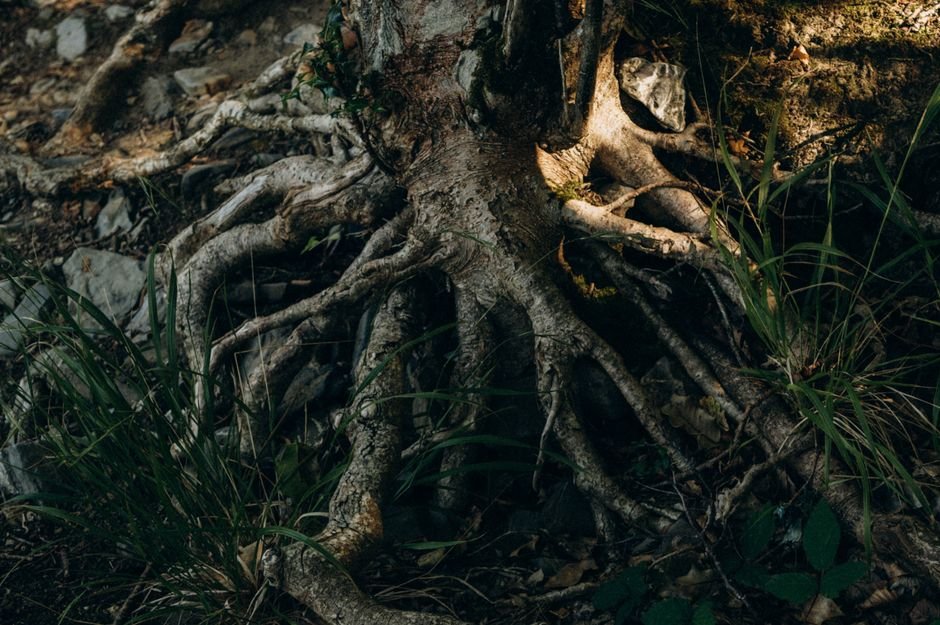

As a seasoned horticulturist for PlantsMag.com, I’ve seen countless houseplant woes that trace back to one fundamental mistake: incorrect pot sizing. Understanding how to choose the right pot size for every houseplant is not just about aesthetics; it’s critical for their health, growth, and longevity. A pot that’s too large or too small can lead to a cascade of problems, from root rot to stunted development. Let’s delve into the science and practicalities of selecting the perfect home for your beloved green companions.
Why Pot Size Matters: The Root of the Problem
The pot your houseplant lives in plays a pivotal role in its overall well-being. Think of it as the foundation of your plant’s ecosystem. A pot that’s too small restricts root growth, leading to a root-bound plant that struggles to absorb water and nutrients. This often manifests as stunted growth, wilting, and yellowing leaves, even with adequate watering and fertilization. On the flip side, a pot that’s excessively large holds too much soil relative to the plant’s root system. This excess soil stays wet for prolonged periods, creating an anaerobic environment that suffocates roots and invites fungal diseases like root rot. Proper pot size ensures a healthy balance between soil volume, moisture retention, and aeration, allowing roots to thrive and the plant to flourish.
Understanding Root Systems and Growth Habits
The ideal pot size largely depends on your specific plant’s root structure and growth pattern. Some plants, like succulents and cacti, have shallow, spreading root systems adapted to quickly absorbing sparse moisture. Others, such as Fiddle Leaf Figs, develop deeper, more extensive root networks that require ample space. Observing your plant’s natural growth habit is key.
Fast Growers vs. Slow Growers
Fast-growing plants, like many Pothos or Philodendrons, will outgrow their pots more quickly and require more frequent repotting into larger containers. Their vigorous root systems demand space to expand. Slow-growing plants, such as Snake Plants (Sansevieria) or ZZ Plants (Zamioculcas zamiifolia), are content in smaller pots for longer periods. Overpotting a slow grower can quickly lead to overwatering issues because its roots won’t absorb the moisture from the vast amount of soil quickly enough.
Upright vs. Spreading Habits
Plants with an upright growth habit, like many Dracaenas, often benefit from deeper pots that offer stability and room for their taproots. Spreading plants, such as many Ferns or Spider Plants, might prefer wider, shallower pots that accommodate their outward-growing root systems and allow for offsets to develop. Always consider the plant’s mature size and shape when making your choice.
The Golden Rule of Pot Sizing: 1-2 Inches Up
When repotting, a general guideline is to increase the pot size by only 1 to 2 inches in diameter. For example, if your plant is currently in a 6-inch pot, move it to an 8-inch pot. This incremental increase provides enough new space for root growth without overwhelming the plant with too much soil. For very large plants, you might go up by 2-4 inches. This rule helps maintain the right soil-to-root ratio, preventing both root restriction and excessive moisture retention. Always ensure the new pot has adequate drainage holes – a non-negotiable for houseplant health.
Decoding Pot Materials: Porosity and Drainage
The material of your pot significantly impacts how often you’ll need to water and how quickly the soil dries out. This, in turn, influences what pot size might be suitable for certain plants.
- Terracotta Pots: These unglazed clay pots are highly porous, allowing air and moisture to pass through their walls. They are excellent for plants that prefer drier conditions or are prone to root rot, such as succulents, cacti, and Snake Plants. Because they promote quicker drying, you might need to water more frequently.
- Plastic Pots: Non-porous and lightweight, plastic pots retain moisture for longer periods. They are ideal for moisture-loving plants like ferns, Peace Lilies, or Calatheas. They are also durable and affordable, making them a popular choice for nursery pots. Just be mindful of overwatering, especially in larger sizes.
- Ceramic/Glazed Pots: These are less porous than terracotta but more breathable than plastic, depending on the glaze. They offer good moisture retention while still allowing some air exchange. They are often chosen for their aesthetic appeal and can be suitable for a wide range of houseplants, provided they have good drainage holes.
Signs Your Houseplant Needs a New Home
Your plant will often tell you when it’s time for an upgrade. Keep an eye out for these common indicators:
- Roots Emerging from Drainage Holes: This is the most obvious sign that your plant is root-bound and has outgrown its current container.
- Stunted Growth: If your plant hasn’t put out new growth in a long time, despite adequate light, water, and fertilization (e.g., with a product like Dyna-Gro All-Pro 7-9-5), its roots might be constricted.
- Watering Frequency: If you find yourself watering almost daily, and the soil dries out incredibly fast, it’s likely the roots have taken over most of the pot, leaving little soil to hold moisture. A moisture meter, like the XLUX T10, can help confirm soil dryness.
- Soil Compaction & Water Runoff: Water might sit on top of the soil surface or immediately run out the bottom, indicating the soil is too dense with roots to absorb moisture effectively.
- Pot Distortion: For plastic pots, you might notice the pot bulging or cracking from root pressure.
Expert Tips for Repotting Success
Once you’ve chosen the perfect new pot, follow these steps for a smooth transition:
- Gather Your Supplies: New pot (1-2 inches larger), fresh potting mix suitable for your plant (e.g., FoxFarm Ocean Forest for a rich blend, or Miracle-Gro Indoor Potting Mix for general use), gloves, pruning shears, and a watering can.
- Prepare the New Pot: Add a layer of fresh potting mix to the bottom of the new pot. Ensure it’s enough so that when the plant is placed in, the top of the root ball is about an inch below the rim.
- Remove the Plant: Gently tip the old pot on its side, or even upside down, and carefully slide the plant out. You might need to gently squeeze plastic pots or run a knife around the edge of terracotta pots to loosen the root ball.
- Inspect and Loosen Roots: Gently tease apart any circling or matted roots at the bottom and sides of the root ball. Trim off any dead, mushy, or excessively long roots with clean shears.
- Place and Fill: Center the plant in its new pot. Backfill around the root ball with fresh potting mix, gently tamping it down to remove large air pockets. Avoid compacting too tightly.
- Water Thoroughly: Water the plant immediately after repotting until water drains from the bottom. This helps settle the soil around the roots.
- Post-Repotting Care: Place the plant in a spot with indirect light for a week or two to recover from transplant shock. Avoid fertilizing for about a month to allow roots to establish.
Houseplant Care Requirements Table
Different plants have varying needs that influence optimal pot size and material:
| Houseplant | Light | Watering | Humidity | Soil Type | Temperature |
|---|---|---|---|---|---|
| Snake Plant (Sansevieria) | Low to Bright Indirect | Infrequent (let dry out) | Low to Average | Well-draining cactus mix | 65-80°F (18-27°C) |
| Pothos (Epipremnum) | Low to Medium Indirect | Moderate (top inch dry) | Average | Standard potting mix | 65-85°F (18-29°C) |
| Fiddle Leaf Fig (Ficus lyrata) | Bright Indirect | Moderate (top 2-3 inches dry) | Moderate to High | Well-draining, rich potting mix | 60-80°F (16-27°C) |
| ZZ Plant (Zamioculcas) | Low to Medium Indirect | Infrequent (let dry out) | Low to Average | Well-draining cactus mix | 65-80°F (18-27°C) |
| Peace Lily (Spathiphyllum) | Low to Medium Indirect | Consistent (moist, not soggy) | Moderate to High | Standard potting mix | 65-80°F (18-27°C) |
Frequently Asked Questions About Pot Sizing
Can I put a small plant in a large pot to avoid frequent repotting?
While tempting, it’s generally not recommended. A small plant in a large pot means a vast amount of soil that the plant’s roots can’t quickly utilize. This excess soil stays wet for too long, leading to poor aeration, potential root rot, and often stunted growth due to waterlogged conditions. It’s better to repot incrementally.
How often should I repot my houseplants?
The frequency varies by plant and growth rate. Fast growers might need repotting annually, while slow growers could be happy in the same pot for 2-3 years, or even longer. Always look for the signs that your plant needs a new home, rather than sticking to a strict schedule.
What’s the difference between a nursery pot and a decorative pot?
A nursery pot is typically a lightweight, inexpensive plastic pot with numerous drainage holes, designed for plant growth and transportation. A decorative pot is often made of ceramic, terracotta, or other materials, designed for aesthetics. Many enthusiasts keep their plants in nursery pots and place them inside a slightly larger decorative pot (a cachepot) to allow for easy watering and drainage without direct contact with the decorative pot’s bottom.
Do succulents need special pot sizes?
Succulents generally prefer pots that are just slightly larger than their root ball, and often benefit from wider, shallower pots rather than deep ones. Crucially, they require excellent drainage, so terracotta pots are often an ideal choice, along with a well-draining cactus and succulent specific soil mix.
What if my plant is severely root-bound?
If your plant is severely root-bound, gently tease apart the roots as much as possible, even cutting through some of the matted roots with a clean knife if necessary. Don’t be afraid to prune away some of the outer root mass to encourage new growth. Repot into a pot that’s 2-3 inches larger and provide good aftercare.
Are self-watering pots good for all plants?
Self-watering pots can be beneficial for plants that prefer consistently moist soil, like African Violets, Peace Lilies, or some ferns. However, they are generally not suitable for plants that prefer to dry out between waterings, such as succulents, cacti, or ZZ Plants, as they can lead to overwatering and root rot for these species.