
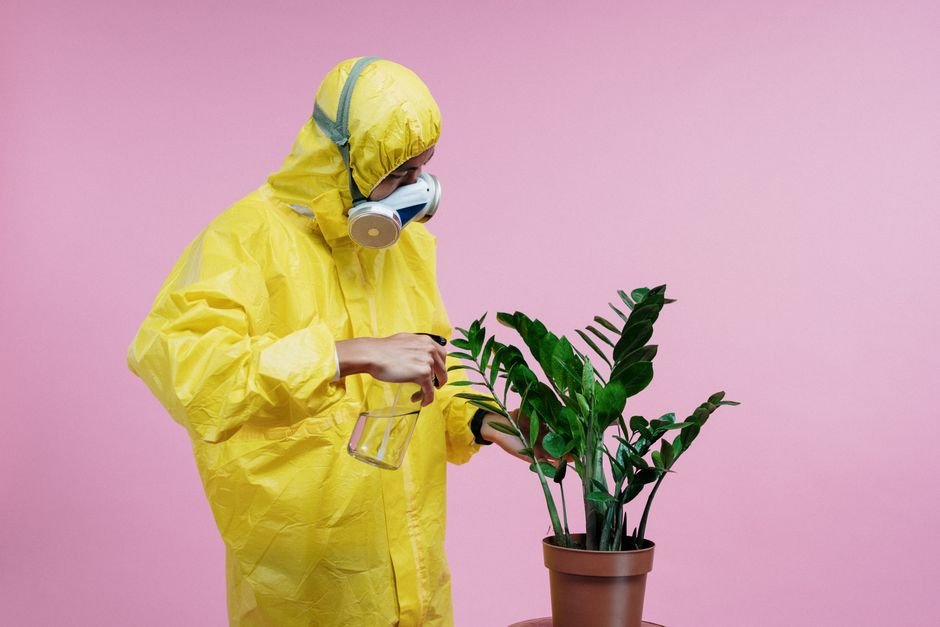

As headlines like "How to care for houseplants in a heatwave: 5 ways to protect plants from extreme temperatures – Woman & Home" sweep across the plant world, US plant enthusiasts are rightly concerned. With summer temperatures regularly soaring, and heat domes becoming a more frequent reality from the Pacific Northwest to the Sun Belt and across the Midwest, understanding how to care for houseplants in a heatwave isn’t just good practice—it’s essential for their survival. At PlantsMag.com, we understand the unique challenges these extreme conditions pose for your beloved indoor greenery. Don’t let scorching temperatures turn your vibrant plant collection into a wilting worry; follow our expert advice to keep your potted pals thriving, even when the mercury climbs.
The Silent Struggle: Understanding Heat Stress in Houseplants
Just like us, plants feel the heat. Extreme temperatures, especially when combined with low humidity, can rapidly stress your houseplants. Their natural cooling mechanism, transpiration (the process of releasing water vapor through leaves), goes into overdrive, leading to rapid moisture loss. If the plant can’t absorb water fast enough to compensate, its cells begin to lose turgor, resulting in wilting. Prolonged heat can lead to leaf scorch, browning edges, stunted growth, and even death. Recognizing these signs early is crucial. Look for drooping leaves, yellowing, crispy edges, or even a sudden cessation of new growth. Understanding these physiological responses is the first step in effective heatwave management for your indoor jungle.
Hydration Hacks: Watering Wisely When Temperatures Soar
During a heatwave, your houseplants will likely need more frequent watering. However, "more" doesn’t mean "constant" or "overwatering." The key is to check the soil moisture diligently. Use your finger to feel the top inch or two of soil; if it’s dry, it’s time to water. For larger pots, a good quality moisture meter, like the popular XLUX T10 Soil Moisture Meter available at garden centers like Home Depot or online, can provide a more accurate reading. Water deeply until you see water draining from the bottom, ensuring the entire root ball is saturated. Don’t let your plants sit in standing water, as this can lead to root rot—a problem exacerbated by warm, stagnant conditions.
Humidity Heroes: Boosting Moisture Levels
High temperatures often bring dry air, which is particularly harsh on tropical houseplants accustomed to humid environments. To combat this, consider placing your plants on pebble trays filled with water (ensure the pot isn’t sitting directly in the water). Grouping plants together can also create a localized microclimate with higher humidity. For serious plant parents, a small room humidifier, such as models from Levoit or Honeywell, can make a significant difference, especially for humidity-loving varieties like ferns, calatheas, and monsteras. Avoid misting as a primary humidity solution; while it feels good, the effect is fleeting and can sometimes encourage fungal issues.
Relocation & Respite: Finding the Coolest Spots Indoors
Direct, intense sunlight is a plant’s enemy during a heatwave. Even plants that typically enjoy bright light might suffer from leaf burn when temperatures are extreme. Move sun-loving plants a few feet back from south or west-facing windows, or to a room with an east or north-facing window for gentler morning light. Interior rooms, hallways, or even bathrooms (if they get some ambient light) can offer a cooler, more stable environment. If you use air conditioning, ensure your plants aren’t directly in the path of cold drafts, as sudden temperature fluctuations can also cause stress. Think of it as finding your plant’s personal "cool zone" within your home.
"During a heatwave, our homes become microclimates. The goal isn’t just to keep ourselves cool, but to actively manage the environment for our plants. A few degrees difference or a slight shift in light exposure can be the difference between a thriving plant and one struggling to survive." – Dr. Eliza Vance, Horticulturalist and PlantsMag.com Contributor
The Power of Protection: Shielding from Intense Light
Beyond relocating, you can actively shield your plants from the sun’s most intense rays. Sheer curtains or blinds can diffuse harsh light, reducing the risk of leaf scorch without plunging your plants into darkness. For plants moved to shadier spots, consider supplementing with a small grow light, like those from Barrina or Sansi, to ensure they still receive adequate light without the intense heat. This is especially useful for plants that demand consistent bright, indirect light, even when moved away from a window. Strategic use of protection allows you to maintain optimal light levels while mitigating heat damage.
Grouping for Good: Creating Microclimates
Clustering plants together isn’t just aesthetically pleasing; it’s a smart strategy during a heatwave. As plants transpire, they release moisture into the air. When grouped, this moisture accumulates, creating a localized pocket of higher humidity around the plants. This microclimate helps reduce individual plant stress, making it easier for them to cope with the dry, hot air. Just ensure there’s still adequate airflow to prevent fungal issues, especially if using humidifiers or pebble trays.
Nutrition & Nurturing: What *Not* to Do During a Heatwave
While your instinct might be to "feed" a struggling plant, a heatwave is not the time for heavy fertilizing. High temperatures can make plants less efficient at absorbing nutrients, and excess fertilizer salts can burn stressed roots. Hold off on any feeding until temperatures normalize. Similarly, avoid repotting. Repotting is a stressful event for any plant, and adding the stress of extreme heat can be detrimental. Wait until cooler weather to give your plant a new home. Lastly, keep an eye out for pests. Stressed plants are more vulnerable to infestations, so inspect leaves regularly for spider mites, mealybugs, or other unwelcome guests. Early detection and treatment (using insecticidal soap or neem oil, available at garden centers like Lowe’s) are key.
Heatwave Houseplant Care Checklist
| Action Item | Benefit During Heatwave | Notes |
|---|---|---|
| Check soil moisture daily | Prevents dehydration/overwatering | Use finger or moisture meter |
| Move from direct sun | Prevents leaf scorch | Consider north-facing windows or interior rooms |
| Increase humidity | Reduces transpiration stress | Pebble trays, humidifiers, grouping plants |
| Avoid fertilizing | Prevents root burn | Resume when temperatures normalize |
| Delay repotting | Minimizes stress | Repot in cooler weather |
| Monitor for pests | Catches infestations early | Stressed plants are vulnerable |
Frequently Asked Questions About Houseplant Heatwave Care
Can I mist my plants during a heatwave?
While misting can provide a temporary cooling sensation, its effect on humidity is often negligible and fleeting. For sustained humidity, pebble trays or a humidifier are far more effective. Misting too frequently, especially in stagnant air, can also encourage fungal diseases.
Should I fertilize my plants when it’s hot?
No, it’s best to avoid fertilizing during a heatwave. Plants are already under stress, and their ability to absorb nutrients efficiently is compromised. Excess fertilizer can accumulate and burn roots. Resume your regular feeding schedule once temperatures return to normal.
What are the key signs of heat stress in houseplants?
Common signs of heat stress include wilting or drooping leaves, yellowing or browning leaf edges, crispy or brittle foliage, stunted growth, and sudden leaf drop. If you notice these symptoms, act quickly to move your plant to a cooler, shadier spot and check its moisture levels.
Are some houseplants more tolerant of heat than others?
Yes, some houseplants are naturally more resilient to heat. Succulents and cacti, for example, are well-adapted to hot, dry conditions. Other plants like Snake Plants (Sansevieria), ZZ Plants (Zamioculcas zamiifolia), and certain varieties of Pothos can also tolerate higher temperatures better than more delicate, humidity-loving species like ferns or calatheas. However, even these resilient plants benefit from protection during extreme heatwaves.
Heatwaves are becoming an undeniable part of our summers across the US, from USDA Zones 3 to 11 and beyond. But with a little foresight and attentive care, your houseplants don’t have to suffer. By understanding their needs, providing proper hydration, strategic placement, and knowing what to avoid, you can ensure your indoor greenery not only survives but continues to thrive. Keep these tips handy, and your plants will thank you for it, maintaining that vibrant touch of nature in your home, no matter how high the temperatures climb. For more expert advice on navigating seasonal plant challenges, keep visiting PlantsMag.com!
Pro Tips for Heatwave Resilience: Beyond the Basics
As expert botanists, we understand that heatwave care goes beyond basic watering. Here are some advanced, experience-based insights to truly protect your potted pals:
1. The Strategic Humidity Pocket (Microclimates)
Don’t just mist randomly. For humidity-loving plants, group them together strategically to create a localized microclimate where transpiration from one plant benefits its neighbors. This shared moisture significantly reduces individual plant stress. For an even greater boost, utilize pebble trays filled with water *below* the pot (ensure the pot isn’t sitting *in* the water to prevent root rot). For advanced setups, consider a small, targeted humidifier near your most sensitive specimens, monitoring with a hygrometer. This consistent, localized humidity is far more effective than fleeting misting, which can sometimes encourage fungal issues in high heat and stagnant air.
2. Precision Watering & Root Thermal Management
During a heatwave, roots are just as susceptible to stress as foliage. Water deeply in the early morning or late evening when ambient temperatures are cooler. This prevents thermal shock to the roots from cold water meeting hot soil and significantly reduces immediate evaporation, allowing the plant more time to absorb moisture. Always use room-temperature water. For plants prone to drying out rapidly, temporary bottom-watering (letting the pot sit in an inch or two of water for 20-30 minutes) can ensure thorough saturation without overwatering the top soil, promoting stronger root development deeper in the pot where moisture persists longer.
3. Dynamic Light & Leaf Temperature Monitoring
While moving plants out of direct sun is basic, truly advanced care involves understanding leaf temperature. Intense light, even if not direct, can significantly raise leaf surface temperatures, inhibiting photosynthesis and accelerating transpiration to dangerous levels. Use sheer curtains, window films, or temporary shade cloth to diffuse incoming light. For high-value or particularly sensitive plants, consider using a non-contact infrared thermometer to monitor leaf surface temperature; if it’s consistently above 85-90°F (30-32°C), even in indirect light, it’s a strong indicator of heat stress and requires further light reduction or increased airflow to cool the foliage.
Frequently Asked Questions: Expert Insights
Can I put my houseplants outside during a heatwave to get more air?
While fresh air is beneficial, a severe heatwave is generally not the time to move most indoor houseplants outdoors. The sudden change in temperature, humidity, light intensity (even in shade), and exposure to outdoor pests can induce severe shock, leading to leaf drop, scorching, and even death. Indoor plants are acclimated to stable, controlled environments. If you absolutely must move a plant outdoors temporarily, choose a very sheltered, deeply shaded spot, monitor it constantly, and ensure it’s a plant variety known to tolerate outdoor conditions. For most, improving indoor air circulation with fans (not blowing directly on plants) is a safer and less stressful alternative.
How do I know if my houseplant is suffering from heat stress or too much sun?
Look for a combination of symptoms. Wilting (even after watering) is a primary sign, indicating the plant is losing water faster than its roots can absorb it. Scorched or crispy leaf edges/tips point to excessive light or critically low humidity. Yellowing, browning, or dull leaves can signal general stress. Stunted growth or a sudden cessation of new growth is another indicator. Some plants may develop pale, bleached spots on leaves where they’ve been directly exposed to intense light. In severe cases, leaves may become limp and mushy before browning and falling off.
Is it better to mist my plants or use a humidifier during a heatwave to increase humidity?
For effective and consistent humidity during a heatwave, a humidifier is significantly superior to misting. Misting provides only a very temporary spike in humidity that dissipates within minutes, offering little lasting benefit. Furthermore, in high heat and humidity conditions, frequent misting can create a perfect breeding ground for fungal diseases and bacterial spots on leaves, especially if airflow is poor. A humidifier, on the other hand, maintains a stable, elevated humidity level over hours, which is crucial for preventing transpiration rates from becoming dangerously high for your plants. If a humidifier isn’t an option, grouping plants or using pebble trays are better alternatives than relying solely on misting.