
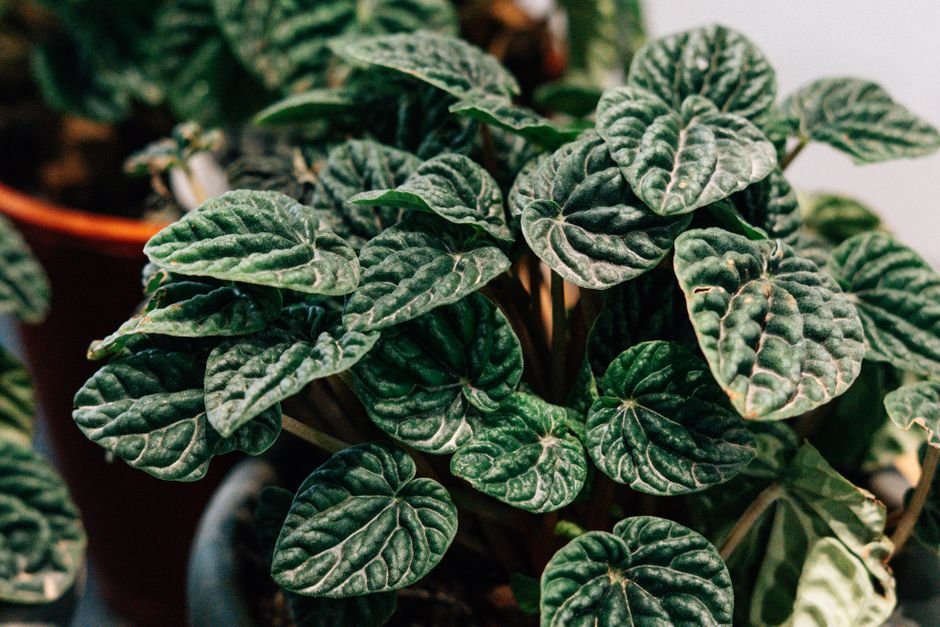

Welcome, fellow plant enthusiasts! As a senior horticulturist at PlantsMag.com, I’m thrilled to delve into the captivating world of Peperomias. These charming, low-maintenance plants have become a staple in indoor gardens across the US, cherished for their diverse foliage, compact size, and relatively unfussy nature. Whether you’re a seasoned plant parent or just starting your green journey, understanding the nuances of Peperomia varieties and care is key to their success. This comprehensive guide will equip you with the knowledge to cultivate thriving, beautiful Peperomias in your home.
The Diverse World of Peperomia Varieties
The genus Peperomia is vast, boasting over 1,000 species, many of which are popular houseplants. Originating from tropical and subtropical regions, these plants are known for their succulent-like leaves that store water, making them forgiving for busy gardeners. Their foliage comes in an astonishing array of shapes, textures, and colors, from smooth and glossy to crinkled and variegated. Exploring different Peperomia varieties allows you to create a dynamic and visually interesting indoor plant collection.
Peperomia obtusifolia (Baby Rubber Plant)
One of the most common and robust Peperomias, the Baby Rubber Plant features thick, spoon-shaped leaves that are typically dark green, though variegated forms like ‘Marble’ and ‘Variegata’ are also popular. It’s an upright grower, reaching about 10-12 inches tall, and is incredibly resilient, tolerating a wider range of conditions than some of its more delicate cousins.
Peperomia argyreia (Watermelon Peperomia)
Perhaps the most visually striking, the Watermelon Peperomia is named for its oval leaves with silver and dark green stripes that strikingly resemble a watermelon rind. This variety tends to stay compact, making it perfect for shelves or desks. Its unique appearance makes it a favorite among collectors, though it appreciates slightly higher humidity than P. obtusifolia.
Other notable varieties include Peperomia caperata, known for its deeply ridged, heart-shaped leaves that come in shades of green, red, and purple; Peperomia clusiifolia ‘Jelly’, with its vibrant green, cream, and pink margins; and the trailing Peperomia prostrata, affectionately known as ‘String of Turtles’ for its tiny, patterned leaves.
Essential Peperomia Care Requirements
Providing the right environment is crucial for your Peperomias to flourish. While specific needs can vary slightly between varieties, these general guidelines form the foundation of successful Peperomia care. Remember, consistency is often more important than perfection.
Light: Peperomias thrive in bright, indirect light. An east or north-facing window is ideal. Direct afternoon sun can scorch their leaves, while too little light can lead to leggy growth and dull foliage. If natural light is scarce, a supplementary LED grow light, like the SANSI LED Grow Light, can provide the necessary intensity without excessive heat.
Water: The biggest mistake with Peperomias is overwatering. Allow the top 1-2 inches of soil to dry out completely between waterings. Their succulent leaves store water, so they are more tolerant of drought than waterlogging. Use a moisture meter, such as the XLUX T10 Soil Moisture Sensor Meter, to accurately gauge soil dampness before watering. When it’s time to water, do so thoroughly until water drains from the bottom of the pot.
Humidity: Most Peperomias appreciate moderate to high humidity, typical of their native tropical habitats. Average household humidity is often sufficient, but for varieties like Watermelon Peperomia, consider grouping plants together or placing them near a humidifier. Avoid misting, as it can lead to fungal issues on their leaves.
Soil: Well-draining, airy soil is paramount to prevent root rot. A good mix will typically include peat moss or coco coir for moisture retention, perlite or pumice for drainage, and a bit of compost. A pre-made indoor plant potting mix like Espoma Organic Potting Mix, amended with extra perlite (up to 30%), works wonderfully. Aim for a slightly acidic to neutral pH (6.0-7.0).
Temperature: Peperomias prefer stable indoor temperatures between 65-80°F (18-27°C). Avoid sudden temperature fluctuations and cold drafts, especially during winter. They are not frost-hardy, so keep them away from open windows during colder months.
Peperomia Care Comparison Table
| Requirement | Details for Peperomias |
|---|---|
| Light | Bright, indirect light; avoid direct sun. |
| Water | Allow top 1-2 inches of soil to dry out completely between waterings. |
| Humidity | Moderate to high (50-70% ideal), but tolerate average home humidity. |
| Soil | Well-draining, airy potting mix (e.g., peat/coco coir, perlite, compost). |
| Temperature | 65-80°F (18-27°C); avoid drafts and extremes. |
Propagation: Expanding Your Peperomia Collection
One of the most rewarding aspects of growing Peperomias is their ease of propagation. You can quickly multiply your collection or share with friends using simple leaf or stem cuttings. This process is not only cost-effective but also a fantastic way to learn about plant growth cycles.
For stem cuttings, follow these steps:
- Select a Healthy Stem: Choose a stem that is at least 3-4 inches long with 2-3 leaves. Make sure it’s free from pests or disease.
- Make the Cut: Using clean, sharp scissors or pruners, cut just below a node (where a leaf attaches to the stem). Remove any leaves from the bottom inch of the cutting.
- Optional: Rooting Hormone: Dip the cut end into a rooting hormone powder, such as Hormex Rooting Powder, to encourage faster root development.
- Prepare Potting Medium: Fill a small pot with a moist, well-draining propagation mix (e.g., perlite and peat moss).
- Plant the Cutting: Insert the cut end of the stem into the prepared medium, ensuring at least one node is buried.
- Provide Humidity: Cover the pot with a clear plastic bag or dome to create a mini-greenhouse effect, maintaining high humidity.
- Placement and Patience: Place in bright, indirect light and check moisture regularly. Roots should form within 3-6 weeks, after which you can remove the cover and care for it as a mature plant.
Common Peperomia Problems and Solutions
While Peperomias are generally low-maintenance, they can occasionally encounter issues. Recognizing these problems early is key to a quick recovery.
- Drooping or Yellowing Leaves: Often a sign of improper watering. Yellow, mushy leaves usually indicate overwatering and potential root rot. Dry, crispy leaves suggest underwatering. Adjust your watering schedule and ensure good drainage.
- Leggy Growth: If your Peperomia is stretching with sparse leaves, it’s likely not getting enough light. Move it to a brighter location or supplement with a grow light. Pruning leggy stems can encourage bushier growth.
- Pests: Peperomias can occasionally attract spider mites, mealybugs, or fungus gnats. Inspect your plants regularly. For most pests, a gentle wipe with a damp cloth or treatment with an insecticidal soap like Safer Brand Insecticidal Soap can resolve the issue. Fungus gnats often indicate consistently wet soil; allow the soil to dry out more between waterings.
- Leaf Spots or Blemishes: These can be caused by fungal infections (often due to high humidity and poor air circulation) or physical damage. Ensure good airflow and avoid getting water on the leaves when watering.
Advanced Tips for Thriving Peperomias
Once you’ve mastered the basics, these advanced tips can help your Peperomias truly thrive and become standout specimens in your indoor garden.
- Repotting: Peperomias prefer to be slightly root-bound. Repot only when roots start emerging from the drainage holes, typically every 2-3 years. Choose a pot only one size larger than the current one to avoid excess soil moisture.
- Fertilization: During the growing season (spring and summer), feed your Peperomias with a balanced liquid fertilizer diluted to half strength every 2-4 weeks. A product like Dyna-Gro ‘Grow’ or Jack’s Classic All-Purpose 20-20-20 works well. Reduce or stop fertilization during fall and winter when growth slows.
- Pruning: Pruning isn’t strictly necessary but can help maintain a desired shape and encourage bushier growth. Pinch back leggy stems or remove any yellowing leaves. You can use the pruned stems for propagation!
- Winter Care: Reduce watering frequency in winter as plant growth slows. Ensure they are kept away from cold drafts and maintain consistent temperatures. Humidity can drop indoors during winter, so consider a humidifier if your air becomes very dry.
Peperomias offer an incredible range of beauty and are wonderfully rewarding plants to grow indoors. By understanding their specific needs and providing consistent care, you’ll enjoy a vibrant collection of these unique plants for years to come. Happy gardening!
Frequently Asked Questions About Peperomia Care
Are Peperomias pet-safe?
Yes, good news for pet owners! Most Peperomia varieties are considered non-toxic to cats and dogs by the ASPCA, making them a safe choice for homes with furry friends. However, it’s always best to discourage pets from munching on any houseplants.
How often should I fertilize my Peperomia?
Fertilize your Peperomia every 2-4 weeks during its active growing season (spring and summer) using a balanced liquid fertilizer diluted to half strength. Reduce or stop fertilizing during fall and winter when the plant’s growth naturally slows down.
Why are my Peperomia leaves turning yellow?
Yellowing leaves on a Peperomia are most commonly a sign of overwatering, which can lead to root rot. Ensure the soil dries out between waterings. Less commonly, it could be due to nutrient deficiency or too much direct sunlight.
Can Peperomias grow in low light?
While Peperomias can tolerate lower light conditions than some other houseplants, they won’t thrive in truly low light. They prefer bright, indirect light for optimal growth and vibrant foliage. In very low light, they may become leggy and their colors might fade.
What is the best pot for Peperomia?
The best pot for a Peperomia is one with excellent drainage. Terracotta pots are often recommended because they are porous and help wick away excess moisture, reducing the risk of overwatering. Any pot material is fine as long as it has at least one good drainage hole.