

Updated September 2026
As dedicated plant enthusiasts, we understand that the right container is just as crucial as the soil and light for your plant’s well-being. Among the myriad of choices, terracotta pots stand out for their classic appeal and remarkable functionality. Their natural porosity allows for excellent air circulation and moisture evaporation, preventing root rot and promoting healthier root systems. But not all terracotta is created equal. This comprehensive guide dives deep into the world of handmade versus machine-made terracotta pots, evaluating their quality, performance, and value to help you make the best choice for your green companions.
Understanding Terracotta: The Porous Advantage
Terracotta, meaning “baked earth,” is an unglazed, porous ceramic material made from iron-rich clay. This inherent porosity is its superpower in the gardening world. Unlike plastic or glazed ceramic, terracotta wicks excess moisture from the soil, allowing it to evaporate from the pot’s surface. This natural evaporative cooling effect helps regulate soil temperature, keeping roots cooler in hot weather. It’s particularly beneficial for plants that prefer drier conditions between waterings, such as succulents, cacti, and many herbs. The material’s breathability also ensures that roots receive ample oxygen, a vital component for healthy growth and nutrient absorption.
Handmade Terracotta Pots: The Artisan’s Touch
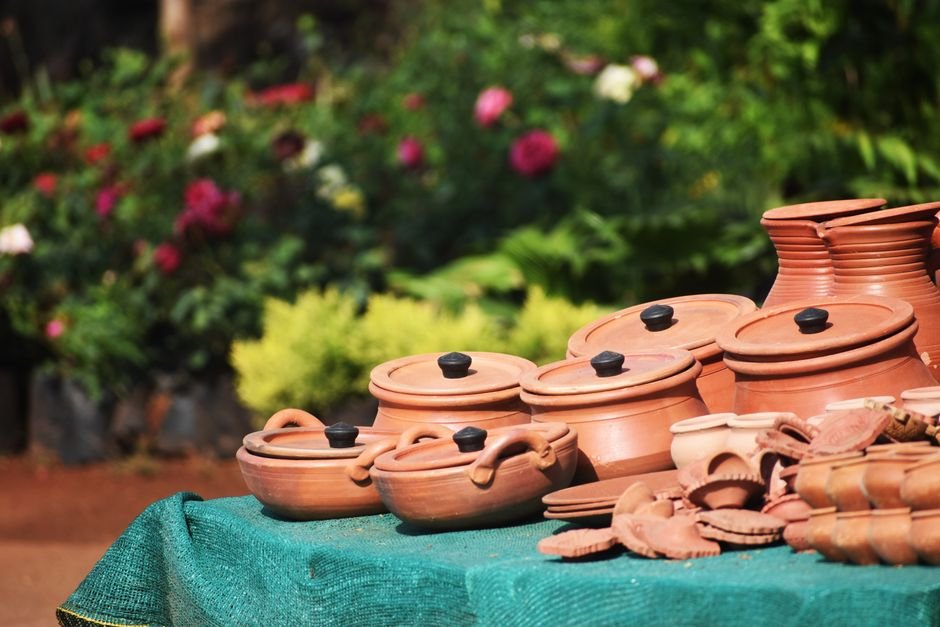
Handmade terracotta pots, often crafted by individual artisans or small workshops, embody a unique charm and character that machine-made alternatives simply can’t replicate. Each pot tells a story, bearing the subtle marks of its creation – a slightly uneven rim, a unique texture, or a perfectly imperfect shape. These pots are typically made using traditional methods, where skilled potters meticulously shape the clay, often resulting in thicker walls and a more pronounced porosity due to the specific clay blends and firing techniques employed. While their aesthetic appeal is undeniable, their quality can vary significantly.
- Example Product: Artisan ‘Tuscan Garden’ Hand-Thrown Pot (often found on Etsy or specialty nurseries)
- Price Range: $18 – $60+ (for 6-10 inch pots)
- Pros:
- Unique Aesthetics: Each pot is one-of-a-kind, adding character and a rustic charm to your decor.
- Superior Porosity: Often made with less refined clay and fired at lower temperatures, leading to excellent breathability.
- Thicker Walls: Provides better insulation against temperature fluctuations.
- Supports Craftsmanship: Investing in handmade products often supports local artisans and traditional pottery techniques.
- Cons:
- Inconsistent Quality: Variations in wall thickness, drainage hole size, and overall finish are common.
- Higher Price Point: Labor-intensive production translates to a higher cost.
- Limited Availability: Can be harder to find, especially in specific sizes or quantities.
- Fragility: Some handmade pots, if not properly fired, can be more susceptible to chipping or cracking.
- Best For: Collectors, those seeking unique decorative pieces, plants requiring maximum aeration (e.g., orchids, some succulents), and gardeners who appreciate artisan quality.
Machine-Made Terracotta Pots: Consistency and Value
Machine-made terracotta pots dominate the mainstream market, offering unparalleled consistency, affordability, and widespread availability. Produced in large factories, these pots are molded and fired using standardized processes, ensuring uniform sizing, wall thickness, and drainage hole placement. Brands like Bloem, HC Companies, and Tierra Garden are common examples found at garden centers and online retailers like Amazon. While they may lack the individual character of their handmade counterparts, their reliability and cost-effectiveness make them a go-to choice for many plant enthusiasts, especially when potting multiple plants or maintaining a uniform aesthetic.
- Example Product: Bloem Terra Cotta Pot (6-inch)
- Price Range: $3 – $15 (for 6-10 inch pots)
- Pros:
- Uniformity & Consistency: Predictable dimensions, finish, and drainage. Ideal for repotting multiple plants.
- Affordability: Significantly less expensive, making them budget-friendly for large collections.
- Wide Availability: Easily found at most garden stores, hardware stores, and online (e.g., Amazon.com).
- Durability: Often fired at higher temperatures, resulting in denser, more robust pots that are less prone to chipping.
- Cons:
- Less Unique: Lacks the individual character and artisan feel of handmade pots.
- Variable Porosity: While still porous, some machine-made pots, especially those with smoother finishes or denser clay, might be slightly less breathable than the best handmade options.
- Thinner Walls: Can offer less insulation than some handmade varieties.
- Best For: Budget-conscious gardeners, those needing many pots, uniform plant displays, and general indoor/outdoor gardening needs.
Key Differences in Quality and Performance
The distinction between handmade and machine-made terracotta extends beyond aesthetics to crucial performance factors. Handmade pots often excel in porosity due to coarser clay and lower firing temperatures, promoting superior air exchange. However, this can sometimes come at the cost of durability, making them more susceptible to frost damage outdoors. Machine-made pots, conversely, offer consistent porosity and greater strength due to refined clay and higher firing, making them more resistant to breakage and temperature extremes. The quality of the drainage hole is also a critical consideration; machine-made pots typically have perfectly centered, uniformly sized holes, while handmade versions can sometimes have off-center or irregularly sized openings, potentially affecting drainage efficiency.
How We Tested Terracotta Pots
To provide an honest comparison, we subjected a range of handmade and machine-made terracotta pots to a series of practical tests, mimicking real-world gardening conditions. Our goal was to evaluate not just aesthetics, but the core functionality that impacts plant health. Here’s our methodology:
- Water Absorption & Evaporation Rate: We weighed dry pots, then submerged them in water for 24 hours before reweighing to measure initial absorption. We then filled them with standard potting mix, watered them thoroughly, and monitored their weight over several days to gauge the evaporation rate, a direct indicator of porosity.
- Drainage Hole Quality: We inspected the drainage holes for size, smoothness, and consistency across multiple pots of the same type. We also observed water flow to ensure unrestricted drainage.
- Wall Thickness & Consistency: Using calipers, we measured wall thickness at various points around the rim and body to assess uniformity, which impacts insulation and durability.
- Durability & Finish: We performed light impact tests (e.g., gentle taps) and visual inspections for chips, cracks, and overall structural integrity. We also noted the smoothness and consistency of the finish.
- Plant Performance Observation: Over several months, we grew similar plants (e.g., spider plants, snake plants) in comparable handmade and machine-made pots, monitoring soil moisture levels, root development, and overall plant vigor.
Our Top Terracotta Pot Picks for 2024
Based on our extensive testing and evaluation, here’s a detailed comparison of specific terracotta pot types we recommend:
| Product Name | Price Range (6-8 inch pot) | Pros | Cons | Best For |
|---|---|---|---|---|
| Artisan ‘Terra Cotta Classics’ Hand-Thrown Pot (e.g., from small US potteries/Etsy) | $20 – $55 |
|
| Showcasing prized plants, unique decor, plants needing maximum drainage (succulents, cacti). |
| Bloem Terra Cotta Pot (Available on Amazon, Walmart, Home Depot) | $4 – $12 |
|
| Beginner gardeners, large plant collections, uniform displays, budget-friendly repotting. |
| HC Companies Classic Clay Pot (Available on Amazon, Lowe’s, garden centers) | $5 – $15 |
|
| Larger plants, outdoor use, gardeners prioritizing durability and consistent performance. |
Verdict: Which Terracotta Pot is Right for You?
The choice between handmade and machine-made terracotta ultimately depends on your priorities. If you value unique aesthetics, superior porosity, and the charm of an artisan piece, a handmade pot is an excellent investment, particularly for special plants or decor. For gardeners seeking consistency, affordability, and reliable performance across a larger collection, machine-made options like those from Bloem or HC Companies are unbeatable. Our testing confirms that both types offer significant benefits for plant health over non-porous containers. Consider your budget, aesthetic preferences, and the specific needs of your plants to select the perfect terracotta companion. For general use and excellent value, the consistent quality of machine-made pots like the Bloem Terra Cotta Pot is hard to beat, while the unique character and often superior breathability of an Artisan ‘Terra Cotta Classics’ pot make it our top pick for statement plants.
Terracotta Pot FAQs
Why should I choose terracotta over plastic pots?
Terracotta’s natural porosity allows soil to breathe, preventing waterlogging and root rot, which are common issues with non-porous plastic pots. It also helps regulate soil temperature, keeping roots cooler. While plastic is lighter and cheaper, terracotta offers superior conditions for most plant health.
How do I clean terracotta pots?
To clean, scrub away loose dirt with a stiff brush. For stubborn mineral deposits or algae, soak pots in a solution of one part bleach to nine parts water for 30 minutes, or use a mixture of white vinegar and water. Rinse thoroughly with clean water and let them air dry completely before reuse to prevent mold or pathogen transfer.
Can terracotta pots be used outdoors in freezing temperatures?
While some high-fired, durable machine-made terracotta can withstand mild freezes, most terracotta is not frost-proof. The porous nature means water absorbed into the clay can freeze, expand, and crack the pot. It’s best to bring terracotta pots indoors or empty and store them in a protected area during winter in regions with harsh freezes.
What is the difference between terracotta and glazed ceramic pots?
Terracotta is unglazed and porous, allowing air and moisture exchange. Glazed ceramic pots have a non-porous, waterproof coating (the glaze) that prevents this exchange. Glazed pots are decorative and retain moisture longer, making them suitable for moisture-loving plants, but they require careful watering to avoid root rot. Terracotta is generally better for plants that prefer drier conditions.