
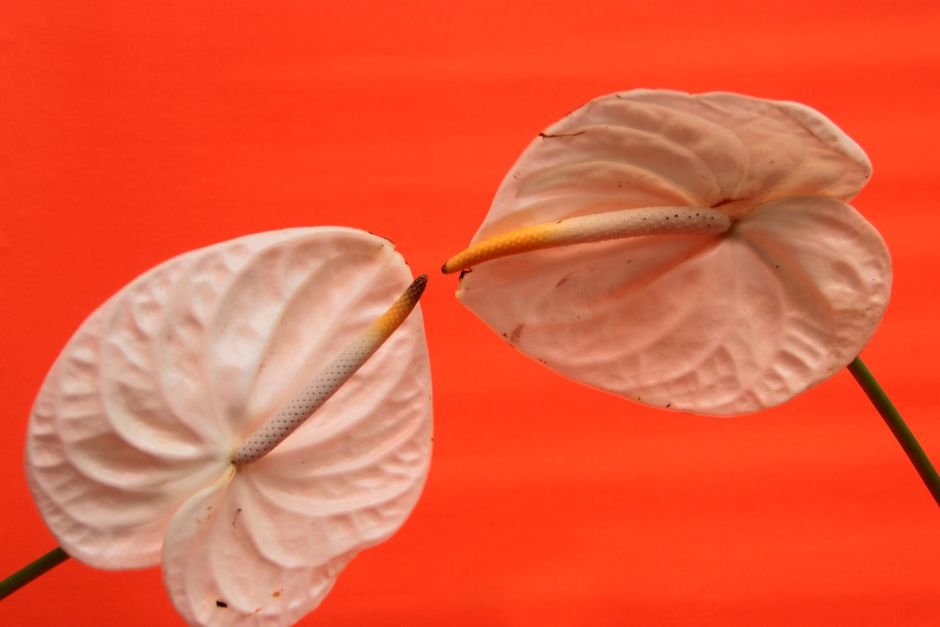

Welcome, fellow plant enthusiasts! As a senior horticulturist at PlantsMag.com, I’m thrilled to guide you through the rewarding journey of Anthurium care. These stunning tropical houseplants, often called “Flamingo Flowers” or “Laceleafs,” are renowned for their vibrant, waxy spathes (often mistaken for flowers) and lush, dark green foliage. Native to the rainforests of Central and South America, Anthuriums bring an exotic elegance to any living space. While their beauty might suggest high-maintenance, with the right approach, cultivating a thriving Anthurium indoors is entirely achievable. This expert guide will equip you with the knowledge to provide the ideal environment for your Anthurium to flourish, gracing your home with its unique, long-lasting blooms.
Anthurium Essentials: Understanding Its Tropical Roots
To truly master Anthurium care, it’s vital to understand their natural habitat. In their native rainforests, Anthuriums grow as epiphytes or hemi-epiphytes, meaning they often cling to trees, absorbing moisture and nutrients from the air and decaying organic matter rather than directly from the soil. This unique growing habit informs their need for excellent drainage, high humidity, and bright, indirect light. Replicating these conditions indoors is the cornerstone of successful cultivation. Most Anthuriums thrive in USDA Hardiness Zones 10-11 outdoors, but for the majority of the US, they are cherished as indoor specimens, bringing a touch of the tropics to our homes year-round.
Illuminating Your Anthurium: Light Requirements for Vibrant Blooms
Light is perhaps the most critical factor for encouraging your Anthurium to produce its signature colorful spathes. These plants prefer bright, indirect light, mimicking the dappled sunlight they receive under the rainforest canopy. Too much direct sun can scorch their delicate leaves, leading to yellowing or brown patches, while insufficient light will result in leggy growth and a lack of blooms. An east-facing window is often ideal, providing gentle morning sun, or a few feet back from a south or west-facing window where the light is filtered by sheer curtains. Rotate your plant every few weeks to ensure even growth and light exposure.
Natural Light vs. Supplemental Grow Lights
If your home lacks adequate natural light, don’t despair! Supplemental lighting can be a game-changer for your Anthurium. Full-spectrum LED grow lights, readily available from retailers like Amazon or your local garden center, can provide the necessary intensity without excessive heat. Position the grow light about 12-18 inches above your plant, running it for 10-12 hours a day. This ensures your Anthurium receives consistent illumination, promoting robust growth and continuous blooming, especially during darker winter months. A good quality grow light might cost anywhere from $25-$75, a worthwhile investment for a thriving plant.
The Art of Watering and Humidity: Mimicking the Tropics
Proper watering is paramount to Anthurium health, and it’s where many new plant parents encounter challenges. Their epiphytic nature means they dislike sitting in soggy soil, which can quickly lead to root rot. Water your Anthurium thoroughly when the top 1-2 inches of soil feel dry to the touch. Use your finger or a moisture meter (a reliable one costs around $15-$25) to check the soil moisture. Allow excess water to drain completely from the bottom of the pot. During winter, reduce watering frequency as the plant’s growth slows. Underwatering, while less immediately fatal, can cause leaf tips to brown and overall wilting.
Boosting Humidity for Optimal Health
Anthuriums are true humidity lovers, thriving in environments with 60-80% relative humidity. Our typical indoor environments, especially during winter with heating systems running, rarely meet this demand. Low humidity can lead to crispy leaf edges, stunted growth, and make your plant more susceptible to pests. There are several effective ways to boost humidity:
- Pebble Tray: Fill a shallow tray with pebbles and water, placing your potted Anthurium on top. Ensure the pot doesn’t sit directly in the water.
- Grouping Plants: Grouping several plants together naturally increases local humidity through transpiration.
- Humidifier: For the most consistent and effective solution, invest in a small room humidifier. A decent model for a plant corner can be found for $40-$80.
- Misting: While misting provides a temporary boost, its effects are fleeting. It’s best used in conjunction with other methods.
Nourishing Your Anthurium: Soil, Potting, and Fertilization
The right potting mix is crucial for Anthuriums, providing both drainage and aeration while retaining some moisture. A chunky, well-draining aroid mix or an orchid potting mix is ideal, often containing ingredients like coco coir, perlite, pine bark, and charcoal. Avoid heavy, dense potting soils that retain too much water. When repotting, typically every 2-3 years or when the plant becomes root-bound, choose a pot only one size larger than the current one. Overpotting can lead to excess soil moisture and root rot.
Fertilize your Anthurium during its active growing season (spring and summer) every 4-6 weeks with a balanced liquid houseplant fertilizer, diluted to half strength. Look for a fertilizer with an N-P-K ratio like 5-5-5 or 10-10-10. Brands like Dyna-Gro “Grow” or Espoma Organic Indoor Plant Food are popular choices among US plant enthusiasts. Avoid fertilizing in fall and winter when the plant is dormant, as this can lead to nutrient burn. A 16oz bottle of quality liquid fertilizer typically costs $10-$20 and lasts a long time.
Troubleshooting Common Anthurium Issues: Pests and Diseases
Even with the best care, Anthuriums can occasionally face challenges. Vigilance is key to early detection and treatment.
- Pests: Common culprits include spider mites, mealybugs, and aphids. Inspect your plant regularly, especially the undersides of leaves. For minor infestations, a strong spray of water can dislodge them. For more persistent issues, apply neem oil or an insecticidal soap, following product instructions. You can find these at most garden stores for $10-$20.
- Yellowing Leaves: Often indicates overwatering or nutrient deficiency. Check soil moisture and feeding schedule.
- Brown Leaf Tips/Edges: Usually a sign of low humidity or underwatering. Review your watering routine and humidity-boosting efforts.
- Lack of Blooms: Typically due to insufficient light or lack of consistent fertilization during the growing season.
- Root Rot: The most severe issue, caused by consistently wet soil. Symptoms include wilting, yellowing leaves, and a foul smell from the soil. If caught early, repotting into fresh, well-draining soil after trimming away affected roots may save the plant.
Anthurium Care Requirements at a Glance
| Aspect | Requirement |
|---|---|
| Light | Bright, indirect light (East-facing window or filtered South/West) |
| Water | When top 1-2 inches of soil are dry; allow to drain thoroughly. |
| Humidity | High (60-80%); use pebble trays, humidifiers, or grouping. |
| Soil | Chunky, well-draining aroid or orchid mix (e.g., coco coir, perlite, bark). |
| Temperature | 65-80°F (18-27°C); avoid sudden drops below 60°F. |
| Fertilization | Every 4-6 weeks during spring/summer with diluted liquid fertilizer. |
Frequently Asked Questions About Anthurium Care
How often do Anthuriums bloom?
With ideal conditions, Anthuriums can bloom almost continuously throughout the year, with each spathe lasting for several weeks or even months. Proper light and consistent fertilization during the growing season are key.
Are Anthuriums toxic to pets?
Yes, Anthuriums contain calcium oxalate crystals, which can be irritating if ingested. Keep them out of reach of curious pets and children. Symptoms of ingestion can include oral irritation, burning, swelling, and difficulty swallowing.
Why are my Anthurium leaves turning brown and crispy?
Brown and crispy leaf edges are typically a sign of low humidity or underwatering. Ensure you’re providing sufficient humidity (60%+) and watering when the top soil is dry. You might also check for drafts or heat vents nearby that could be drying out the air.
Can I propagate my Anthurium?
Yes, Anthuriums can be propagated through stem cuttings or by division during repotting. For stem cuttings, ensure the cutting has at least two nodes and some aerial roots. Place it in a moist, well-draining medium or water until roots develop.
What kind of pot is best for an Anthurium?
Pots with excellent drainage are crucial. Terracotta pots can be good as they promote airflow and dry out faster, but plastic pots work well too, especially if you struggle with keeping humidity high. Just ensure there are ample drainage holes.
With this comprehensive Anthurium care guide, you’re well-equipped to cultivate these magnificent tropical plants in your home. Remember, consistency and observation are your best tools. Pay attention to your plant’s signals, adjust its environment as needed, and you’ll be rewarded with a continuous display of their stunning, unique blooms. Happy planting!