
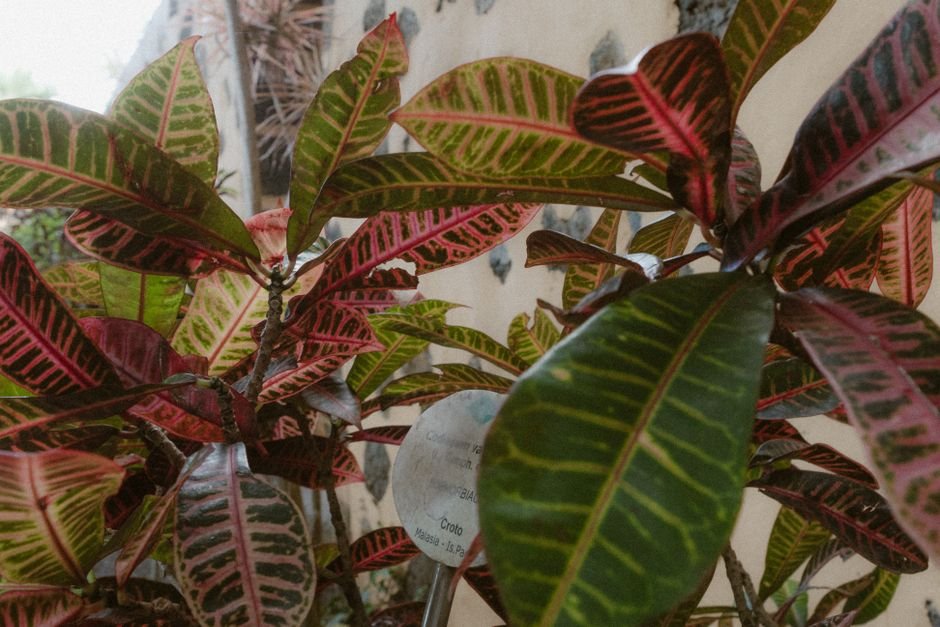

Crotons (Codiaeum variegatum) are celebrated for their stunning, kaleidoscopic foliage, boasting an incredible array of colors from fiery reds and oranges to sunshine yellows and deep greens. These tropical beauties can transform any indoor space into a vibrant sanctuary, but unlocking their full color potential requires understanding their specific needs. As a senior horticulturist, I’m here to guide you through comprehensive Croton plant care, focusing on the critical elements of light, temperature, and hydration to ensure your plant thrives and its colors truly pop.
Illumination Essentials: The Role of Light in Croton Coloration
The intensity and spectrum of light your Croton receives are arguably the most crucial factors dictating its leaf coloration. Crotons are native to open woodlands and scrublands, where they receive bright, indirect sunlight for most of the day. Replicating this environment indoors is key to achieving those vibrant reds, yellows, and oranges that make Crotons so desirable. Inadequate light will result in duller, predominantly green leaves, while too much direct, harsh sun can scorch the foliage.
Position your Croton in a spot where it receives at least 4-6 hours of bright, indirect light daily. An east-facing window is often ideal, providing gentle morning sun. A south or west-facing window can work, but ensure the plant is set back a few feet or diffused with sheer curtains to prevent leaf burn. If natural light is scarce, especially during darker winter months, consider supplementing with a grow light. A full-spectrum LED grow light, such as a GE BR30 LED Grow Light Bulb, placed about 12-18 inches above the plant for 10-12 hours a day, can dramatically improve leaf vibrancy and overall plant health, mimicking the tropical sun.
Optimizing Light for Croton Color Intensity
To maximize the vividness of your Croton’s colors, consistent light exposure is paramount. Rotate your plant weekly to ensure all sides receive adequate light, promoting even growth and coloration. Observe your plant; if new leaves are more green than colorful, it likely needs more light. Conversely, if leaves appear bleached or have crispy brown spots, the light might be too intense. Adjust its position accordingly, always aiming for that sweet spot of bright, filtered light.
Precision Watering: Hydration Strategies for Thriving Crotons
Proper watering is critical for Crotons, which prefer consistently moist but not waterlogged soil. Overwatering is a common pitfall, leading to root rot and leaf drop, while underwatering causes wilting and crispy leaves. The key is to allow the top inch or two of soil to dry out between waterings.
When it’s time to water, do so thoroughly until water drains from the bottom of the pot. Discard any excess water from the saucer to prevent the roots from sitting in standing water. The frequency of watering will depend on several factors: humidity levels, pot size, soil type, and ambient temperature. A reliable tool to gauge soil moisture is a moisture meter, like the XLUX T10 Soil Moisture Meter, which can give you an accurate reading of moisture levels at root depth, taking the guesswork out of watering.
Recognizing Signs of Improper Watering
Crotons are quite vocal about their watering preferences. If leaves begin to droop dramatically but still feel firm, your plant is likely thirsty. Water it promptly, and it should perk up within a few hours. If leaves are drooping and soft or yellowing, especially at the base, it’s a strong indicator of overwatering and potential root rot. Address this by allowing the soil to dry out completely and checking the roots for rot. Crispy, brown leaf edges often signal underwatering or low humidity, which we’ll discuss next.
Temperature and Humidity: Creating the Ideal Tropical Environment
As tropical plants, Crotons thrive in warm, stable conditions and high humidity. Fluctuations in temperature or cold drafts can cause significant stress, leading to leaf drop.
Maintain an indoor temperature range between 60°F and 85°F. Avoid placing your Croton near drafty windows, air conditioning vents, or heating registers, as sudden temperature changes are detrimental. For outdoor cultivation, Crotons are only reliably hardy in USDA Zones 10-11, where temperatures rarely dip below 50°F. In most of the US, they are strictly indoor plants.
Humidity is equally vital. Crotons prefer humidity levels between 60-80%. Dry air, common in heated or air-conditioned homes, can lead to brown leaf tips and increased susceptibility to pests like spider mites. You can boost humidity around your plant in several ways:
- Pebble Trays: Place a tray filled with pebbles and water beneath the pot, ensuring the pot itself isn’t sitting in the water. As the water evaporates, it increases localized humidity.
- Humidifier: For consistent humidity, especially in larger spaces, a small room humidifier, such as a LEVOIT Humidifier, can be a game-changer.
- Grouping Plants: Placing several plants together creates a microclimate with higher humidity.
- Misting: While often suggested, misting provides only a temporary spike in humidity and is less effective than other methods. If you do mist, use distilled water to prevent mineral spots on leaves.
Substrate and Nutritional Support: Soil and Fertilization Best Practices
The right soil mix is fundamental for Croton health, providing both anchorage and the necessary drainage and nutrients. They prefer a well-draining, slightly acidic potting mix with a pH between 5.5 and 6.5.
A high-quality, peat-based potting mix amended with perlite or coarse sand will provide excellent drainage while retaining adequate moisture. Products like FoxFarm Ocean Forest Potting Soil or Miracle-Gro Indoor Potting Mix are good starting points. You can enhance drainage further by adding an extra handful of perlite per gallon of soil.
Crotons are moderate feeders. During their active growing season (spring and summer), fertilize every 2-4 weeks with a balanced liquid houseplant fertilizer. Look for an NPK ratio like 3-1-2 or 10-10-10, diluted to half strength. Brands like Schultz Plant Food Plus or Espoma Organic Indoor! Liquid Plant Food are excellent choices. Reduce fertilization in fall and cease entirely during winter when the plant’s growth slows. Over-fertilization can lead to fertilizer burn and damage roots, so always err on the side of caution.
Proactive Pest Management and Common Croton Challenges
Even with optimal care, Crotons can sometimes encounter pests or exhibit signs of stress. Regular inspection is key to early detection and treatment.
Common pests include spider mites, mealybugs, and scale. Spider mites, tiny arachnids that thrive in dry conditions, are particularly fond of Crotons. Look for fine webbing on the undersides of leaves or tiny red/brown dots. Mealybugs appear as white, cottony masses in leaf axils. Scale insects are small, hard, brown bumps on stems and leaves.
Treating Spider Mites on Crotons
If you discover spider mites, act quickly:
- Isolate: Immediately move the infested plant away from others to prevent spread.
- Wipe Down: Use a damp cloth or paper towel to physically wipe off as many mites and webbing as possible from both sides of the leaves.
- Apply Treatment: Spray the entire plant thoroughly with an insecticidal soap or neem oil solution. Ensure complete coverage, especially on leaf undersides.
- Repeat: Reapply the treatment every 5-7 days for several weeks to break the pest life cycle.
- Increase Humidity: Since spider mites prefer dry conditions, increasing humidity around the plant can help deter them.
Common challenges include leaf drop (often due to temperature shock, underwatering, or overwatering), fading color (insufficient light), and brown tips (low humidity or inconsistent watering). By carefully observing your Croton and adjusting its environment based on these guidelines, you can cultivate a truly spectacular specimen.
Croton Care Quick Reference
| Aspect | Requirement |
|---|---|
| Light | Bright, indirect light (4-6 hours daily). East window or filtered south/west. |
| Water | Allow top 1-2 inches of soil to dry. Water thoroughly until drainage. |
| Humidity | High (60-80%). Use pebble trays, humidifiers, or group plants. |
| Soil | Well-draining, slightly acidic (pH 5.5-6.5). Peat-based mix with perlite. |
| Temperature | Consistent 60-85°F (15-29°C). Avoid drafts. |
Frequently Asked Questions About Croton Plant Care
Why are my Croton leaves falling off?
Crotons are notoriously dramatic and often drop leaves due to environmental stress. Common culprits include sudden changes in temperature, cold drafts, overwatering (leading to root rot), or underwatering. Assess your plant’s environment for recent changes or extreme conditions and adjust accordingly.
How often should I fertilize my Croton?
During the active growing season (spring and summer), fertilize every 2-4 weeks with a balanced liquid houseplant fertilizer diluted to half strength. Reduce or stop fertilization during fall and winter when growth slows.
Can Crotons live outdoors in the US?
Crotons are tropical plants and can only permanently live outdoors year-round in USDA Hardiness Zones 10-11, where temperatures do not drop below 50°F (10°C). In most of the US, they are grown as indoor houseplants, though they can be moved outdoors to a shaded spot during warm summer months.
What kind of pot is best for a Croton?
A pot with good drainage is essential. Terracotta pots can help with aeration and prevent overwatering due to their porous nature, but plastic pots are also fine as long as they have drainage holes. Ensure the pot size is appropriate for the root ball – not too large, which can lead to excessive moisture retention.
Why are my Croton’s colors fading?
Fading or dull colors are almost always a sign of insufficient light. Crotons require bright, indirect light to produce their vibrant pigments. Move your plant to a brighter location or supplement with a grow light to help it regain its brilliant hues.