
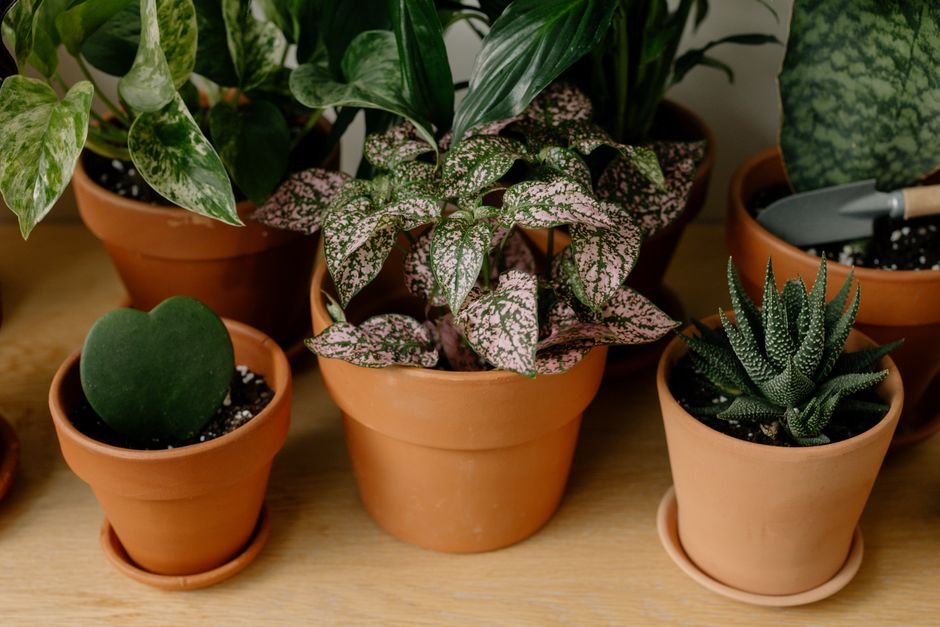

Welcome, fellow plant enthusiasts, to the captivating world of Hoyas! Known affectionately as “wax plants” due to their thick, often succulent-like leaves and porcelain-like flowers, Hoya varieties are among the most rewarding and beautiful plants to grow indoors in the US. Their diverse foliage, fragrant blooms, and relatively forgiving nature make them a favorite for both novice and experienced plant parents. As a senior horticulturist, I’m thrilled to share an expert-level guide to help your Hoyas not just survive, but truly thrive, transforming your home into a verdant sanctuary.
Understanding Hoya Care Essentials
While specific Hoya varieties may have nuanced needs, a foundational understanding of their care is crucial. Most Hoyas are epiphytic or hemi-epiphytic in their natural habitats, meaning they often grow on other plants rather than in soil, drawing moisture and nutrients from the air and rain. This informs their preference for well-draining soil and good airflow. They generally appreciate bright, indirect light, consistent warmth, and moderate to high humidity. Overwatering is a common pitfall, so always allow the topsoil to dry out before watering again. Using a reliable moisture meter, such as the XLUX T10, can be invaluable for gauging soil moisture accurately.
Optimal Lighting for Blooming Hoyas
Light is arguably the most critical factor for encouraging your wax plants to bloom. Hoyas require bright, indirect light for at least 6-8 hours daily. An east-facing window is often ideal, providing gentle morning sun. South or west-facing windows can work, but ensure the light is filtered with sheer curtains to prevent leaf scorching. If natural light is insufficient, especially during winter months or in darker homes, consider supplementing with a full-spectrum LED grow light. Brands like SANSI or Barrina offer excellent options that can significantly boost growth and flower production without excessive heat.
Crafting the Perfect Potting Mix
Because Hoyas are prone to root rot, a chunky, airy, and well-draining potting mix is paramount. Avoid dense, moisture-retentive soils. A good blend typically includes equal parts of a high-quality orchid bark, perlite, and coco coir or a premium indoor potting mix. You can also add a small amount of worm castings for nutrient enrichment. Popular US brands like Foxfarm Ocean Forest or Espoma Organic Potting Mix can serve as a great base when amended with additional perlite and bark. The goal is a mix that retains some moisture but allows excess water to drain quickly, mimicking their natural growing conditions.
Top Hoya Varieties for US Indoor Growers
For those just starting their Hoya journey or seeking reliable performers, these varieties are excellent choices:
- Hoya carnosa ‘Krimson Queen’ (or ‘Tricolor’): Perhaps the most iconic wax plant, ‘Krimson Queen’ boasts stunning variegated leaves with creamy white, pink, and green hues. Its vigorous growth and relatively easy care make it a fantastic beginner Hoya. It produces clusters of fragrant, star-shaped, pinkish-white flowers with red centers.
- Hoya obovata: Recognizable by its thick, round, dark green leaves often speckled with silver, Hoya obovata is a robust and forgiving choice. It’s a faster grower than some other varieties and produces beautiful, fuzzy, light pink flowers. Its sturdy nature makes it less prone to damage and stress.
- Hoya pubicalyx ‘Splash’: A highly popular choice, ‘Splash’ features elongated, dark green leaves heavily speckled with silver, giving it a “splashed” appearance. This variety is known for its relatively fast growth and produces striking dark pink to purple flowers that are incredibly fragrant, especially at night. It’s a great option for hanging baskets.
- Hoya kerrii: Famous for its adorable heart-shaped leaves, Hoya kerrii is often sold as a single rooted leaf, particularly around Valentine’s Day. While a single leaf may take years to develop into a full plant (if it ever does), a stemmed cutting will grow into a charming vine with multiple heart-shaped leaves and lovely white flowers.
Advanced Hoya Varieties for the Enthusiast
Once you’ve mastered the basics, these unique Hoyas offer new challenges and aesthetic rewards:
- Hoya linearis: This delicate, trailing Hoya features slender, fuzzy, needle-like leaves that cascade beautifully. It requires higher humidity and slightly cooler temperatures than many other Hoyas, making it a bit more demanding. When it blooms, it produces small, fragrant, creamy-white flowers.
- Hoya curtisii: With its tiny, mottled green and silver leaves, Hoya curtisii is a charming miniature Hoya perfect for terrariums or small hanging baskets. It appreciates very high humidity and consistent moisture, though still needs excellent drainage. Its delicate appearance belies its surprisingly robust nature if given the right conditions.
- Hoya callistophylla: A highly sought-after variety known for its incredibly pronounced dark green venation against lighter green leaves. It’s a stunning foliage plant that also produces beautiful yellow-green flowers. It prefers higher humidity and consistent warmth, making it a prize for collectors willing to provide specific care.
Propagation and Repotting Your Wax Plants
Propagating Hoyas is incredibly rewarding and a great way to expand your collection or share with friends. Stem cuttings are the most common and successful method:
- Select a Healthy Stem: Choose a stem with at least two nodes (where leaves or roots emerge) and 2-4 leaves. Aim for a cutting 4-6 inches long.
- Prepare the Cutting: Remove the bottom set of leaves to expose at least one node. You can dip the cut end in rooting hormone (e.g., Clonex or Garden Safe TakeRoot) to encourage faster root development.
- Choose Your Medium: Cuttings can be rooted in water, sphagnum moss, perlite, or a well-draining potting mix. For water, change the water every few days. For substrate, keep it consistently moist but not soggy.
- Provide Humidity and Warmth: Place your cuttings in a warm spot with bright, indirect light. Covering them with a clear plastic bag or dome can create a mini-greenhouse effect, boosting humidity.
- Be Patient: Roots can take anywhere from a few weeks to a few months to develop. Once roots are about 1-2 inches long, you can pot them into your preferred Hoya mix.
Repotting is generally needed every 2-3 years, or when the plant becomes root-bound. Hoyas prefer to be slightly pot-bound, so don’t rush to upsize. When you do repot, choose a pot only one size larger than the current one to prevent excess soil from retaining too much moisture.
Troubleshooting Common Hoya Issues
Even with the best intentions, you might encounter a few hurdles. Here’s how to address common problems:
- Yellowing Leaves: Often a sign of overwatering. Check your soil moisture. If it’s soggy, allow it to dry out completely before the next watering. Ensure your pot has drainage holes.
- Wrinkled or Limp Leaves: Usually indicates underwatering. The leaves are drawing moisture from themselves. Give your Hoya a thorough drink, letting water drain from the bottom.
- No Blooms: The most common culprit is insufficient light. Move your Hoya to a brighter spot or supplement with a grow light. Lack of phosphorus (P) in fertilizer can also be a factor; use a balanced fertilizer with a slightly higher P number (e.g., Dyna-Gro BLOOM 3-12-6) during the growing season.
- Pests: Hoyas can occasionally attract mealybugs or spider mites. Inspect your plants regularly. For mealybugs, dab them with a cotton swab dipped in rubbing alcohol. For spider mites, increase humidity and use an insecticidal soap or neem oil solution.
Hoya Care Comparison Chart
This table offers a quick reference for the general care requirements of popular Hoya varieties:
| Variety | Light | Water | Humidity | Soil | Temperature |
|---|---|---|---|---|---|
| Hoya carnosa ‘Krimson Queen’ | Bright, indirect | Dry between waterings | Moderate (50-60%) | Chunky, well-draining | 65-80°F (18-27°C) |
| Hoya obovata | Bright, indirect | Dry between waterings | Moderate (50-60%) | Chunky, well-draining | 65-80°F (18-27°C) |
| Hoya pubicalyx ‘Splash’ | Bright, indirect | Dry between waterings | Moderate (50-60%) | Chunky, well-draining | 65-80°F (18-27°C) |
| Hoya kerrii | Bright, indirect | Dry between waterings | Moderate (50-60%) | Chunky, well-draining | 65-80°F (18-27°C) |
| Hoya linearis | Bright, indirect | Keep slightly moist | High (60-80%) | Very airy, fine orchid mix | 60-75°F (15-24°C) |
Frequently Asked Questions About Hoya Varieties
Why won’t my Hoya bloom?
The most common reasons for a Hoya not blooming are insufficient light, lack of proper fertilization (too much nitrogen, not enough phosphorus), or the plant being too young. Ensure it gets bright, indirect light for at least 6-8 hours daily, and consider using a bloom-boosting fertilizer during the growing season. Hoyas also prefer to be slightly root-bound to bloom.
How often should I fertilize my Hoya?
During the active growing season (spring and summer), fertilize your Hoya every 2-4 weeks with a balanced, diluted liquid fertilizer (e.g., Schultz Plant Food Plus 10-15-10 or Dyna-Gro “Grow” 7-9-5). Reduce or stop fertilizing in fall and winter when growth slows.
Are Hoyas toxic to pets?
Good news for pet owners! Most Hoya varieties are considered non-toxic to cats and dogs by the ASPCA, making them a safe choice for homes with furry friends. However, it’s always best to prevent pets from ingesting any houseplant material.
What’s the best way to increase humidity for my Hoya?
Hoyas appreciate humidity. You can increase it by placing a pebble tray with water beneath the pot (ensure the pot isn’t sitting in water), grouping plants together, or using a small humidifier. Misting is generally less effective for sustained humidity but can offer a temporary boost.
Can I grow Hoyas outdoors in the US?
Most Hoyas are tropical plants and are not cold-hardy. They can only be grown outdoors year-round in USDA Hardiness Zones 10-12, where temperatures rarely drop below 50°F (10°C). In other zones, they can be moved outdoors to a shaded or protected spot during warm summer months but must be brought indoors before temperatures consistently fall below 55°F (13°C).