
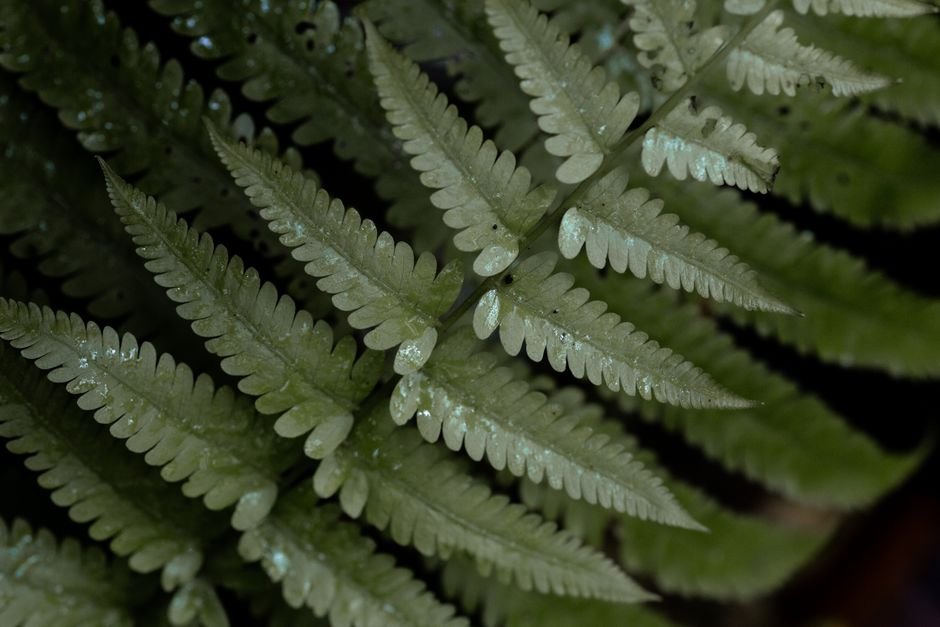

As a seasoned horticulturist, I’ve seen countless plant enthusiasts fall in love with ferns, only to be frustrated by their perceived pickiness. But I’m here to tell you: successful fern care indoors is entirely achievable with the right knowledge and a little dedication. These ancient beauties, with their delicate fronds and lush green textures, can transform any indoor space into a verdant oasis. From the popular Boston fern to the elegant Maidenhair, understanding their specific needs is the key to a thriving, vibrant collection. Let’s dive into the expert-level strategies that will make your indoor ferns flourish.
Understanding the Fundamental Needs of Indoor Ferns
Ferns are unique in the plant kingdom, originating from humid, shaded forest floors. This natural habitat dictates their core requirements: consistent moisture, high humidity, and indirect light. Unlike many flowering plants, ferns primarily reproduce via spores and lack true seeds, which hints at their preference for stable, moist environments. When you bring a fern indoors, you’re essentially trying to replicate a miniature rainforest corner in your home. This means paying close attention to environmental factors that might not be as critical for other houseplants. Getting these basics right forms the bedrock of successful fern cultivation.
Light: The Gentle Glow for Lush Fronds
Ferns are not sun worshippers. In their natural environment, they thrive under the canopy of taller trees, receiving filtered, diffused light. Indoors, this translates to bright, indirect light. An east-facing window, offering gentle morning sun, is often ideal. A north-facing window can also work well, providing consistent, soft light throughout the day. Direct, harsh sunlight, especially from a south or west-facing window, will quickly scorch their delicate fronds, leading to browning and crispy edges. If your home lacks sufficient natural indirect light, don’t despair! For darker spots, a full-spectrum LED grow light, like the GE BR30 LED Grow Light Bulb (approx. $20-30), positioned a few feet above your fern, can supplement natural light effectively without overpowering it.
Signs of Improper Lighting
Too much light will manifest as pale, bleached, or scorched fronds, often turning yellow or brown and becoming crispy. Conversely, insufficient light will result in leggy growth, smaller fronds, and a general lack of vigor as the fern stretches to find light. Observe your plant; it will tell you what it needs.
Humidity: The Essential Mists for Tropical Beauty
This is arguably the most critical factor for fern success. Most homes, especially during winter with heating systems running, have significantly lower humidity than ferns prefer. Low humidity is the primary culprit behind crispy fern fronds, browning tips, and a general decline in health. Ferns thrive in humidity levels of 50% or higher, with some varieties like the Maidenhair preferring 60%+. Without adequate moisture in the air, their fronds will quickly dry out and shrivel.
Boosting Humidity for Thriving Ferns
- Pebble Trays: Place your fern’s pot on a tray filled with pebbles and water. Ensure the pot doesn’t sit directly in the water, as this can lead to root rot. As the water evaporates, it creates a localized humid microclimate around the plant.
- Humidifiers: For a more significant and consistent boost, consider a small, quiet humidifier, such as the LEVOIT Humidifiers for Home (ranging from $40-60), especially in dry winter months. Placing it near your fern collection can make a dramatic difference.
- Grouping Plants: Plants naturally release moisture into the air. Grouping your ferns with other humidity-loving plants can create a mutually beneficial, more humid environment.
- Misting (with caution): While misting provides a temporary humidity boost, its effects are fleeting. Over-misting can also lead to fungal issues if the foliage remains wet for too long. Focus on consistent, long-term humidity solutions.
Watering Wisely: Avoiding the Extremes
Ferns abhor drying out completely, but they also detest sitting in soggy soil. The key is consistent, even moisture. Allow the top inch of soil to just begin to dry out before watering again. Use your finger to check the soil moisture – a simple yet effective method. A simple tool like the XLUX T10 Soil Moisture Meter (often around $10-15 on Amazon) can be a game-changer, providing a precise reading and preventing guesswork. When you water, do so thoroughly until water drains from the bottom of the pot. Always empty any excess water from the saucer to prevent root rot. The frequency of watering will depend on your home’s humidity, light levels, and the size of your pot.
Signs of Improper Watering
Underwatering leads to dry, crispy fronds, often starting from the tips and edges, and the plant may appear wilted. Overwatering, on the other hand, causes yellowing leaves, soft and mushy stems, and eventually root rot, which can be fatal. The soil may also develop a foul odor.
Soil and Potting: The Foundation for Root Health
The right potting mix is crucial for ferns, providing both moisture retention and adequate drainage. They thrive in a rich, organic, well-draining soil mix that retains some moisture but doesn’t become waterlogged. A good blend typically includes peat moss or coco coir, perlite or vermiculite for drainage, and a good quality compost. Look for high-quality potting mixes like FoxFarm Ocean Forest Potting Soil or Espoma Organic Potting Mix for Indoor Plants (typically $15-25 for a large bag), which often have a good balance. When repotting, choose a pot that is only slightly larger than the current one, as ferns prefer to be somewhat root-bound. Repotting is generally needed every 1-2 years or when roots start to emerge from the drainage holes.
Nourishment and Pest Management: Keeping Your Ferns Pristine
Ferns are not heavy feeders. During the active growing season (spring and summer), a diluted liquid fertilizer can be beneficial. Use a balanced, water-soluble fertilizer at half or quarter strength every 4-6 weeks. Over-fertilizing can lead to salt buildup and burn their delicate roots. During growing seasons, a diluted liquid fertilizer like Alaska Fish Emulsion 5-1-1 or Schultz Liquid Plant Food 10-15-10 (both under $15) can be applied. In fall and winter, when growth slows, reduce or cease fertilization entirely.
Common indoor fern pests include spider mites, mealybugs, and scale insects, often exacerbated by dry conditions. Regularly inspect your ferns, especially the undersides of fronds. If you spot pests, isolate the plant and treat it with insecticidal soap or neem oil. Maintaining good humidity and air circulation can significantly deter many common pests.
Comparative Fern Care Requirements
| Fern Type | Light | Water | Humidity | Soil | Temp. |
|---|---|---|---|---|---|
| Boston Fern (Nephrolepis exaltata) | Bright, indirect | Consistently moist; allow top inch to dry slightly | High (50%+) | Rich, well-draining, slightly acidic | 65-75°F (18-24°C) |
| Maidenhair Fern (Adiantum spp.) | Low-medium, indirect; avoid direct sun entirely | Consistently moist; never let dry out | Very high (60%+) | Rich, well-draining, slightly acidic with good aeration | 65-75°F (18-24°C) |
| Kimberly Queen Fern (Nephrolepis obliterata) | Bright, indirect; tolerates slightly more light | Evenly moist; slightly more forgiving if it dries out briefly | Medium-High (40%+) | Well-draining, organic-rich potting mix | 60-80°F (16-27°C) |
| Staghorn Fern (Platycerium spp.) | Bright, indirect | Water when top layer of mounting medium feels dry | Medium-High (40%+) | Mounted on wood, sphagnum moss; excellent drainage | 60-80°F (16-27°C) |
| Bird’s Nest Fern (Asplenium nidus) | Low-medium, indirect | Water around outer edge of soil, avoiding central rosette | Medium-High (40%+) | Chunky, well-draining orchid mix or similar | 65-80°F (18-27°C) |
Frequently Asked Questions About Indoor Fern Care
Why are my fern’s fronds turning brown and crispy?
This is almost always a sign of insufficient humidity or underwatering. Ensure your fern is receiving adequate humidity through pebble trays or a humidifier, and check the soil moisture regularly. If the problem persists, evaluate for direct sunlight exposure.
How often should I water my fern?
There’s no fixed schedule, as it depends on environmental factors. A good rule of thumb is to water when the top inch of soil feels slightly dry to the touch. Use a moisture meter for accuracy, and always ensure water drains out the bottom of the pot.
Can I place my fern in a bathroom?
Yes, bathrooms are often ideal for ferns due to the higher humidity from showers and baths. Just ensure there’s enough indirect light and good air circulation to prevent fungal issues.
My fern is looking leggy and sparse. What’s wrong?
Leggy growth and sparse fronds typically indicate insufficient light. Try moving your fern to a brighter spot with indirect light, or supplement with a full-spectrum grow light.
When is the best time to repot a fern?
The best time to repot is in spring or early summer, just before or at the beginning of its active growing season. Repot only when necessary, such as when roots are circling the pot or emerging from drainage holes, or if the soil quality has deteriorated.
Caring for indoor ferns doesn’t have to be a daunting task. By understanding their basic needs for gentle light, consistent moisture, and most importantly, high humidity, you can cultivate a stunning collection of these verdant plants. With a bit of observation and adjustment, your Boston, Maidenhair, and other beloved ferns will reward you with their timeless beauty, bringing a piece of the rainforest’s tranquility into your home. Happy growing!