
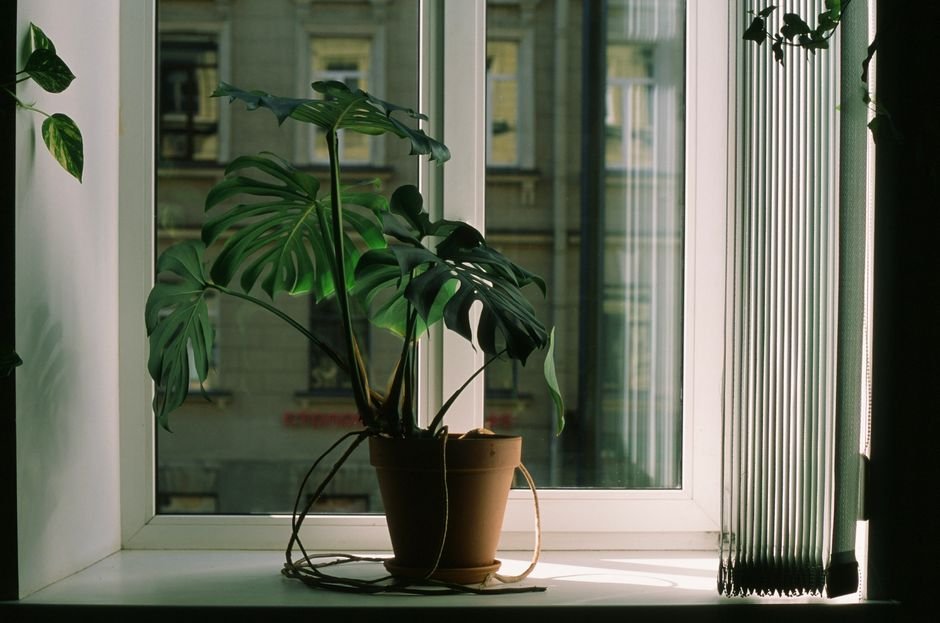

The plant world is buzzing! News from Worthington, Minnesota, highlights a fantastic opportunity for aspiring and seasoned plant parents alike: a dedicated event on September 17th in Sibley, offering a deep dive into the houseplant care basics. Organized by The Globe, this community gathering serves as a timely reminder that while the joy of owning houseplants is immense, understanding their fundamental needs is the bedrock of a thriving indoor jungle. As senior plant journalists and SEO strategists at PlantsMag.com, we believe this local initiative perfectly encapsulates a universal truth for US plant enthusiasts: foundational knowledge is key. Whether you’re a beginner just bringing home your first Pothos or a collector looking to refine your expertise, mastering these essentials will transform your plant-parenting journey.
This event isn’t just about one community; it’s a beacon for plant lovers nationwide. It underscores the growing desire for accessible, practical advice on indoor plant care. Let’s unpack the core principles that events like Sibley’s aim to teach, providing actionable insights that every US plant owner can implement today.
Why Understanding Houseplant Care Basics is Crucial for US Plant Enthusiasts
In homes across America, houseplants do more than just decorate; they purify air, reduce stress, and bring a touch of nature indoors. However, their well-being hinges on our ability to mimic their natural environments. Many beginners fall into common traps: overwatering, insufficient light, or using the wrong soil. The Sibley event, much like the advice we champion at PlantsMag.com, emphasizes that a little knowledge goes a long way. Learning the fundamentals helps you avoid these pitfalls, saving you money on replacing stressed plants and, more importantly, fostering a fulfilling relationship with your green companions. It’s about empowering you to diagnose issues, understand your plant’s silent cues, and provide the specific care it needs to flourish in your unique home environment.
Decoding Your Houseplant’s Light Needs: More Than Just a Sunny Window
Light is arguably the most critical factor for a houseplant’s survival, yet it’s often misunderstood. Different plants have vastly different requirements, from the bright, indirect light preferred by Fiddle Leaf Figs to the low-light tolerance of a Snake Plant. In US homes, light conditions can vary dramatically by window direction, season, and even the presence of trees outside. Understanding terms like ‘direct,’ ‘indirect,’ and ‘low light’ is paramount. A south-facing window typically offers the brightest light, while north-facing windows provide softer, more consistent light. Observe your plant’s leaves: yellowing or scorched leaves often indicate too much sun, while leggy growth and smaller leaves suggest too little.
The Role of Grow Lights in US Homes
For many US plant parents, especially those in apartments or regions with long, dark winters, natural light isn’t always sufficient. This is where modern `grow lights` become invaluable. Available at major retailers like Amazon, Home Depot, and Lowe’s, these lights come in various forms – from simple LED strips to more advanced full-spectrum panels. They supplement natural light, ensuring your plants receive the energy they need for photosynthesis. When selecting a grow light, look for full-spectrum options, which mimic natural sunlight and are suitable for a wide range of houseplants. Position them appropriately, typically 12-24 inches above your plant, depending on the intensity and plant needs, to provide consistent light without scorching.
The Art of Watering: Avoiding Root Rot and Drought Stress
Watering is often cited as the trickiest aspect of `indoor plant care`. Too much, and you risk root rot; too little, and your plant will wilt and eventually dry out. The ‘finger test’ remains a classic: stick your finger about an inch or two into the soil. If it feels dry, it’s likely time to water. However, this varies by plant. Succulents, for example, prefer to dry out completely between waterings, while ferns and some tropicals prefer consistently moist soil. Factors like pot size, humidity, and time of year also influence watering frequency. In drier climates, you might water more often; in humid regions, less so.
Consider investing in a `moisture meter`, widely available at US garden centers. These handy tools provide a more accurate reading of soil moisture levels, taking the guesswork out of watering and helping you avoid common mistakes. Always water thoroughly until you see drainage from the bottom of the pot, and then empty any excess water from the saucer to prevent your plant from sitting in standing water.
Potting Mixes and Repotting: Giving Your Plants the Right Foundation
The right `potting soil` is crucial for healthy root development and nutrient uptake. Standard garden soil is too dense for houseplants and can lead to compaction and poor drainage. Instead, opt for a high-quality, well-draining indoor potting mix. Many US garden stores offer specialized mixes: aroids (like Monsteras and Philodendrons) thrive in chunky mixes with `perlite` or `orchid bark`, while succulents and cacti need a fast-draining blend, often amended with sand or more perlite.
Repotting is another essential part of `caring for houseplants`. Generally, plants need repotting every 1-2 years, or when they become ‘root-bound’ – meaning their roots are circling the pot. Choose a pot that is only one size larger than the current one to prevent excess soil from holding too much moisture. When repotting, gently loosen the roots, add fresh soil, and water thoroughly. This provides fresh nutrients and room for growth, revitalizing your plant.
Feeding Your Green Companions: Fertilizing for Growth
While potting mix provides initial nutrients, houseplants eventually deplete these resources. Fertilizing replenishes essential elements like nitrogen, phosphorus, and potassium. Most houseplants benefit from fertilization during their active growing season (typically spring and summer). Reduce or stop fertilizing during the dormant months (fall and winter). Look for a balanced liquid `houseplant fertilizer` or a slow-release granular option at your local nursery or big-box store.
Always follow the product instructions, and when in doubt, it’s better to under-fertilize than over-fertilize, as excess nutrients can burn roots. Many plant experts recommend diluting liquid fertilizers to half strength for regular feeding, especially for sensitive plants. This gentle approach ensures your plants get the boost they need without risk of chemical burn.
Pest Patrol and Pruning: Keeping Your Plants Healthy and Happy
Even with the best care, houseplants can sometimes encounter pests or develop leggy growth. Common houseplant pests in the US include spider mites, mealybugs, and fungus gnats. Regular inspection of your plants, especially the undersides of leaves, can help catch infestations early. For minor issues, a gentle wipe with a damp cloth or a spray of insecticidal soap (or `Neem oil`, widely available) can be effective. For more persistent problems, consider a systemic insecticide, but always use with caution and follow safety guidelines.
Integrated Pest Management at Home
Adopting an Integrated Pest Management (IPM) approach means combining various strategies for `plant care fundamentals`. This includes using sticky traps for flying insects, maintaining good airflow, and quarantining new plants before introducing them to your existing collection. Pruning is also vital for plant health and aesthetics. Use sharp, clean `pruning shears` to remove yellowing leaves, spent flowers, or leggy stems. This encourages bushier growth and directs the plant’s energy towards producing new, healthy foliage.
“The beauty of understanding houseplant care basics is that it transforms your relationship with nature. It’s not just about keeping a plant alive; it’s about fostering life and learning from it. Every plant has a story, and knowing its needs helps you write a happy chapter.” – Dr. Flora Green, PlantsMag.com Resident Botanist
Essential Houseplant Care Checklist
To summarize, here’s a quick reference for your `houseplant care basics` journey:
| Care Aspect | Key Considerations | Recommended Tools/Products |
|---|---|---|
| Light | Match plant needs (direct, indirect, low) to location. Rotate plants for even growth. | Grow lights (LED full-spectrum), sheer curtains. |
| Watering | Check soil moisture before watering. Water thoroughly until drainage. | Moisture meter, watering can with narrow spout. |
| Soil & Repotting | Use well-draining indoor potting mix. Repot when root-bound (every 1-2 years). | Specialized potting mixes (e.g., aroid, succulent), perlite, coco coir, new pots. |
| Fertilizing | Feed during active growth (spring/summer). Dilute to half strength. | Balanced liquid houseplant fertilizer. |
| Pest & Pruning | Regular inspection. Remove yellow leaves. Address pests promptly. | Pruning shears, Neem oil, insecticidal soap, sticky traps. |
| Humidity | Consider a humidifier for tropical plants, especially in dry winter months. | Humidifier, pebble trays. |
Frequently Asked Questions About Houseplant Care Basics
Q: How often should I water my houseplants?
A: There’s no single answer, as it depends on the plant type, pot size, soil, and environment. A general rule is to check the top 1-2 inches of soil with your finger; if it feels dry, it’s time to water. Succulents and cacti prefer to dry out completely, while ferns and some tropicals like consistently moist soil. A moisture meter can provide a more accurate reading.
Q: What’s the best soil for houseplants?
A: The best soil is a well-draining indoor potting mix, not garden soil. For most plants, a mix containing peat moss, perlite, and/or coco coir works well. Specific plants like orchids, succulents, or aroids may require specialized mixes tailored to their unique needs, often containing bark, grit, or more perlite for extra drainage.
Q: Do all houseplants need fertilizer?
A: Most houseplants benefit from fertilization, especially during their active growing season (typically spring and summer). However, they don’t need it constantly. During fall and winter, when growth slows, it’s best to reduce or stop fertilizing. Always use a balanced houseplant-specific fertilizer and follow dilution instructions carefully to avoid root burn.
Q: How do I know if my houseplant needs more light?
A: Common signs of insufficient light include leggy growth (stems stretching towards a light source with sparse leaves), smaller new leaves, pale foliage, and a lack of flowering (for blooming plants). If you notice these symptoms, try moving your plant to a brighter location or supplementing with a full-spectrum grow light.
The Sibley event in Minnesota is a fantastic reminder that a solid grasp of houseplant care basics is within everyone’s reach. By focusing on light, water, soil, nutrients, and pest management, you’re not just maintaining plants; you’re cultivating a vibrant, healthy indoor ecosystem. Embrace the learning journey, observe your plants, and don’t be afraid to experiment. Your home will thank you with lush foliage and a refreshing touch of green. For more in-depth guides and trending plant news, keep visiting PlantsMag.com – your trusted source for all things green!