
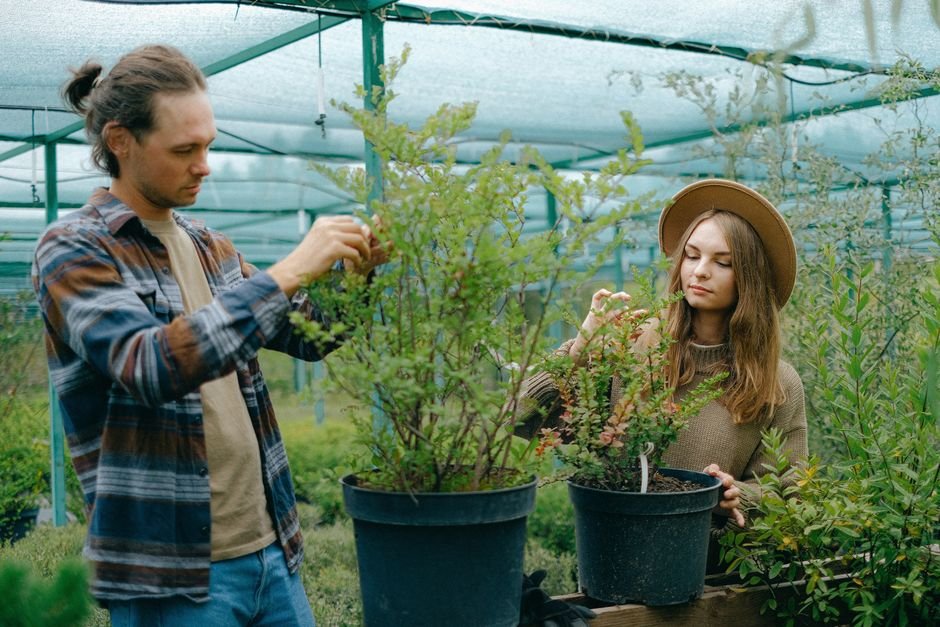

As the vibrant colors of fall begin to fade across many US states, a familiar chill creeps into the air, signaling the end of the outdoor growing season. For dedicated plant enthusiasts, this doesn’t mean bidding farewell to your cherished container plants, tender perennials, or even some annuals. Instead, it’s an opportunity to learn how to overwinter outdoor plants indoors, preserving them through the frosty months and ensuring a spectacular return next spring. This comprehensive guide from PlantsMag.com will equip you with the knowledge and practical steps to successfully transition your green companions from garden to home, even in the coldest USDA Hardiness Zones.
Timing and Initial Preparation for Indoor Transition
Knowing when to bring your plants indoors is crucial. Generally, this should happen when nighttime temperatures consistently drop below 50°F (10°C), or before the first hard frost, which can severely damage or kill tender plants. Monitor your local forecast closely. Early preparation prevents stress and pest issues. Start by inspecting each plant thoroughly while it’s still outside.
- Pre-Frost Inspection: Before temperatures dip, carefully examine every leaf, stem, and the underside of foliage for signs of pests like aphids, spider mites, or mealybugs.
- Cleaning Foliage: Gently wipe down leaves with a damp cloth to remove dust and potential hitchhikers. This improves light absorption and helps you spot pests.
- Gradual Acclimation: If possible, move plants to a shadier, more sheltered spot outdoors for a week or two before bringing them inside. This helps them adjust to lower light levels.
- Watering Schedule Adjustment: Reduce watering slightly in the weeks leading up to the move to encourage a semi-dormant state, which eases the transition.
- Prepare Your Indoor Space: Clean your chosen indoor area, ensuring it’s free of debris and has adequate light and temperature control for your incoming plants.
Essential Steps for a Smooth Transition Indoors
Once you’ve decided it’s time to move your plants indoors, a few critical steps will ensure their health and minimize the risk of introducing unwanted guests into your home. These actions are vital for a successful overwintering period and a pest-free indoor environment.
Pest Patrol: Your First Line of Defense
Pests are the biggest threat when bringing plants indoors. A thorough inspection is paramount. Look for sticky residue, tiny webs, or any insects on the leaves, stems, and especially under the rim of the pot. If you find pests, treat them before bringing the plant inside. A good option is to spray plants with an insecticidal soap (like Safer Brand Insecticidal Soap, approximately $12-$15) or a horticultural oil, such as neem oil, which is effective against many common pests. Repeat treatments if necessary, following product instructions carefully.
The Art of Pruning and Repotting
Light pruning can make plants more manageable indoors and encourage bushier growth in spring. Remove any dead, diseased, or leggy branches. For plants that have outgrown their containers or need fresh soil, consider repotting. Use a high-quality, well-draining potting mix, such as FoxFarm Ocean Forest Potting Soil, around $20-$25 for a 1.5 cu ft bag, to provide essential nutrients and aeration. Avoid over-potting; choose a pot only slightly larger than the current root ball, or prune roots and repot into the same container.
Creating the Ideal Indoor Environment for Overwintering
Once inside, your plants will need specific conditions to thrive, or at least survive, until spring. Mimicking their natural environment as closely as possible, especially regarding light, temperature, and humidity, will lead to the best results.
Mastering Indoor Lighting for Dormancy or Growth
Light is often the most challenging factor indoors. Many overwintered plants enter a semi-dormant state and require less intense light than they did outdoors. A south-facing window is ideal for maximum natural light. However, if natural light is insufficient, especially in northern US states during winter, supplemental lighting is necessary. Full-spectrum LED grow lights, such as a Sansi 36W LED Grow Light, priced around $40-$60, can provide the necessary spectrum for plant health without excessive heat. Position lights 12-24 inches above foliage, running them for 10-14 hours a day, depending on the plant’s needs and desired dormancy level.
Temperature is another key factor. Most overwintered plants prefer cooler temperatures, generally between 50-65°F (10-18°C). Avoid placing plants near drafty windows or heat vents, which can cause sudden temperature fluctuations. Humidity often drops significantly indoors during winter due to heating systems. Grouping plants together, using pebble trays with water (ensure pots don’t sit directly in water), or running a small humidifier can help maintain adequate humidity levels.
Winter Care: Watering, Feeding, and Monitoring
During the overwintering period, plant care routines will shift dramatically. Most plants will enter a period of reduced growth or dormancy, requiring less water and nutrients than during the active growing season.
Watering: Overwatering is the most common killer of indoor plants, especially those in dormancy. Always check the soil moisture before watering. A reliable moisture meter, like the XLUX T10 Soil Moisture Meter, typically $10-$15, can be invaluable. Water thoroughly when the top inch or two of soil feels dry, but then allow the soil to dry out significantly between waterings. Err on the side of underwatering rather than overwatering. Reduced light and cooler temperatures mean plants use less water.
Feeding: Most overwintered plants do not require significant fertilization. If your plant is actively growing under grow lights, a very dilute, balanced liquid fertilizer (e.g., a 1/4 strength solution once a month) can be applied. For plants in true dormancy, refrain from fertilizing entirely until new growth resumes in spring. Over-fertilizing dormant plants can lead to root burn and other issues.
Monitoring: Continue regular pest checks throughout the winter. Indoor environments can sometimes trigger pest outbreaks, especially if conditions are dry. Address any issues promptly. Also, rotate your plants periodically to ensure even light exposure and growth.
The Spring Transition: Moving Plants Back Outdoors
When spring arrives and the threat of frost has passed (typically late April to early June, depending on your USDA zone), it’s time to prepare your plants for their return outdoors. This transition needs to be gradual to prevent shock.
Hardening Off: Begin by moving plants to a sheltered, shady spot outdoors for a few hours each day, gradually increasing their exposure to sunlight and wind over a period of 7-14 days. Start with an hour or two in indirect light, then slowly extend the time and introduce more direct sun. This process, known as ‘hardening off,’ allows plants to acclimate to outdoor conditions, including stronger UV rays, fluctuating temperatures, and increased air movement.
Reintroduction to Outdoor Care: Once hardened off, plants can be placed in their permanent outdoor locations. At this point, you can resume a more regular watering and fertilization schedule as they begin active growth. Inspect them again for any winter-induced issues and prune as needed to encourage new, vigorous growth.
Comparative Care Requirements for Common Overwintered Plants
Here’s a quick reference for some popular plants often overwintered indoors:
| Plant Type | Light | Water | Humidity | Soil | Temperature |
|---|---|---|---|---|---|
| Geraniums (Pelargonium) | Bright indirect to medium light | Allow soil to dry between waterings | Average (40-60%) | Well-draining potting mix | 55-65°F (13-18°C) |
| Fuchsias | Bright indirect light | Keep evenly moist but not soggy | High (60%+) | Rich, well-draining | 50-60°F (10-16°C) |
| Hibiscus | Bright direct light (supplemental if needed) | Keep consistently moist | High (60%+) | Well-draining, slightly acidic | 60-70°F (16-21°C) |
| Coleus | Bright indirect light | Keep consistently moist | Average to high | Well-draining potting mix | 60-70°F (16-21°C) |
| Tropical Citrus (e.g., Lemon) | Bright direct light (essential) | Allow top inch to dry | High (60%+) | Well-draining citrus mix | 60-70°F (16-21°C) |
Frequently Asked Questions About Overwintering Plants
Which outdoor plants are best suited for overwintering indoors?
Many tender perennials and tropical plants that are annuals in cold climates can be overwintered. Popular choices include geraniums, fuchsias, coleus, impatiens, begonias, canna lilies (as bulbs), dahlias (as tubers), hibiscus, and some herbs like rosemary. Even small tropical fruit trees like citrus can thrive indoors with proper care.
Do I need special soil for overwintering plants?
Using a good quality, well-draining potting mix is essential. While not ‘special’ per se, it should be fresh and sterile to minimize pest and disease issues. Avoid using garden soil, which can compact in pots and harbor pests. Brands like Espoma Organic Potting Mix (around $15-$20 for a large bag) are excellent choices.
How often should I water overwintered plants?
Watering frequency significantly decreases indoors due to lower light, cooler temperatures, and reduced growth. Always check the soil moisture with your finger or a moisture meter before watering. Allow the top inch or two of soil to dry out completely for most plants, and even more for those in deep dormancy. Overwatering is a common cause of failure.
What if my plant gets leggy indoors during winter?
Leggy growth (long, stretched stems with sparse leaves) is a sign of insufficient light. To prevent this, ensure your plants are receiving adequate light, either from a bright window or with supplemental grow lights. If legginess occurs, you can prune back the stretched stems in late winter or early spring to encourage bushier growth once conditions improve.
Can I overwinter plants in a garage or basement?
Yes, many dormant plants (like canna lilies, dahlias, or even some geraniums) can be overwintered in a cool, dark, frost-free garage or basement. They won’t need light if fully dormant, but consistent cool temperatures (above freezing, below 50°F/10°C) and minimal watering are key. Check them periodically for rot or extreme dryness.
When is it safe to move plants back outside in the spring?
It’s generally safe to move plants back outdoors after all danger of frost has passed in your specific USDA Hardiness Zone. This typically means after your last average frost date, which can be found through local agricultural extensions or online resources. Always harden off plants gradually over 1-2 weeks before full outdoor exposure to prevent shock.
Overwintering your favorite outdoor plants indoors is a rewarding practice that extends their lifespan and brings a touch of green to your home during the bleakest months. By following these expert tips on preparation, environmental control, and ongoing care, you can ensure your plants not only survive but thrive, ready to burst forth with new life when spring finally arrives. Happy overwintering!