
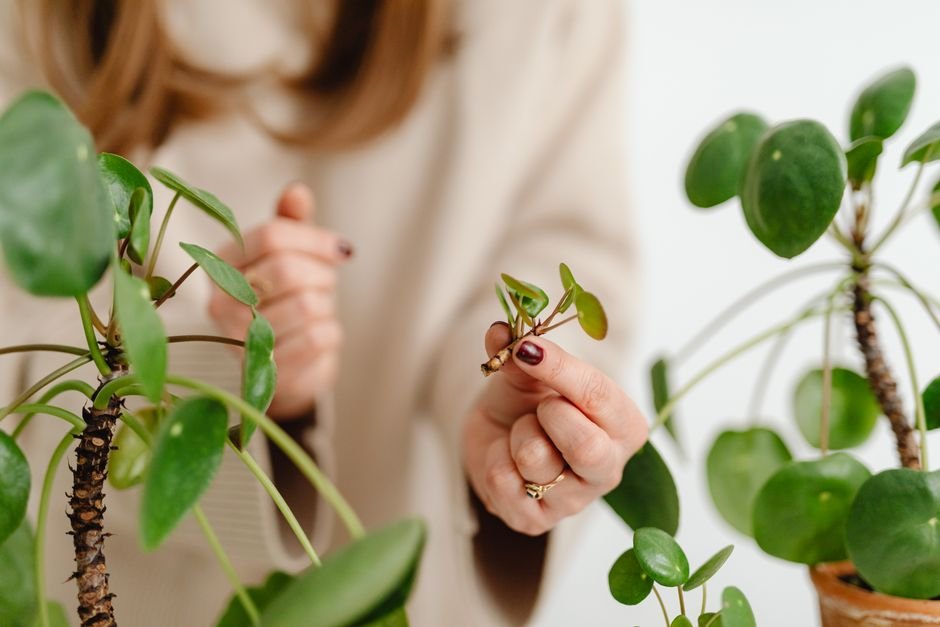

The Pilea Peperomioides, affectionately known as the Chinese Money Plant, Pancake Plant, or UFO Plant, has captivated plant enthusiasts across the United States with its distinctive coin-shaped leaves and easy-going nature. Originating from the Yunnan province of China, this charming houseplant is renowned not only for its aesthetic appeal but also for its prolific ability to produce ‘pups,’ making it a joy to propagate and share. While often considered beginner-friendly, providing optimal care for your Pilea Peperomioides ensures robust growth and that vibrant, lush appearance we all desire. This expert guide from PlantsMag.com delves into the essential care practices, helping you cultivate a thriving Chinese Money Plant that will be the envy of your fellow plant parents.
Light Requirements for Pilea Peperomioides
Understanding the Pilea Peperomioides’ light needs is crucial for its vigorous growth. These plants thrive in bright, indirect light. Think about a north- or east-facing window, or a few feet back from a south- or west-facing window where direct sun won’t scorch its delicate leaves. Too little light can lead to leggy growth, smaller leaves, and a loss of the plant‘s characteristic compact form, while too much direct sun causes leaf burn and yellowing. If natural light is scarce, especially during darker winter months, consider supplementing with a full-spectrum LED grow light for 10-12 hours daily. A good grow light, like the Sansi 15W LED Grow Light (around $30 on Amazon), can make a significant difference in maintaining vibrant foliage.
Distinguishing Indirect vs. Direct Light
Indirect light means the plant receives bright ambient light without the sun’s rays directly hitting its foliage. Direct light, conversely, is when the sun’s unfiltered rays fall straight onto the plant. For Pilea, avoiding the latter is key. If your plant is stretching towards a window, it’s a sign it needs more light; if leaves are cupping downwards or developing brown spots, it might be getting too much intense light.
Mastering Pilea Watering Strategies
Overwatering is a common pitfall for Pilea Peperomioides owners, often leading to root rot. The key is to allow the top 1-2 inches of soil to dry out completely between waterings. You can test this by sticking your finger into the soil or, more reliably, by using a moisture meter. Affordable moisture meters, available at most garden centers or online for $10-$15, provide precise readings. When it’s time to water, do so thoroughly until water drains from the pot’s bottom. Discard any standing water in the saucer to prevent soggy roots. During warmer months, you might water every 7-10 days, while in winter, this could stretch to 2-3 weeks, depending on your home’s humidity and temperature.
Optimal Soil and Potting for the Chinese Money Plant
Pilea Peperomioides requires well-draining soil to prevent waterlogging. A standard houseplant potting mix amended with perlite or coarse sand is ideal. Aim for a mix that retains some moisture but allows excess water to quickly escape. A good recipe is two parts quality potting mix (like Foxfarm Ocean Forest or Happy Frog, usually $15-$25 for a 1.5 cu ft bag), one part perlite, and a half part coco coir (optional, for moisture retention). Ensure your pot has drainage holes. Terracotta pots can be beneficial as they wick away excess moisture, helping to prevent root rot. Repotting is generally needed every 1-2 years or when the plant becomes root-bound, typically into a pot only slightly larger than the previous one.
Humidity and Temperature Preferences
Native to the humid mountains of China, Pilea Peperomioides appreciates moderate to high humidity, ideally above 50%. While they can tolerate average household humidity levels (around 30-40%), increased humidity promotes lusher growth and helps prevent crispy leaf edges. You can boost humidity by placing the pot on a pebble tray filled with water (ensuring the pot isn’t sitting directly in water), grouping plants together, or using a small humidifier. Keep your Pilea away from cold drafts, air conditioning vents, and heating elements. They thrive in consistent room temperatures between 65-75°F (18-24°C). Avoid temperatures below 50°F (10°C), as this can cause significant stress and damage.
Fertilization and Pruning for Vigor
Pilea Peperomioides are not heavy feeders, but a balanced liquid fertilizer during the growing season (spring and summer) will encourage robust growth. Use a diluted, all-purpose houseplant fertilizer, such as Dyna-Gro Grow 7-9-5 or Liqui-Dirt (both around $10-$20), at half strength every 2-4 weeks. Reduce or cease fertilization during the dormant fall and winter months. Pruning is primarily for aesthetics and to encourage a bushier plant. You can snip off any yellowing or damaged leaves at the base. If your Pilea gets leggy, you can ‘chop and prop’ by cutting the main stem and propagating the top section – a great way to restart a plant and get more pups!
Encouraging Bushier Growth
To encourage a bushier Pilea, consider ‘pinching’ off the very top growth point on the main stem. This signals the plant to produce side shoots, leading to a fuller appearance. Regularly removing pups from the base also directs the plant’s energy towards the main plant, promoting larger leaves and a stronger central stem.
Propagating Pilea Peperomioides
One of the most rewarding aspects of owning a Pilea is its ease of propagation. These plants readily produce ‘pups’ or offsets from their root system, which can be easily separated and grown into new plants. You can also propagate from stem cuttings. Here’s how to propagate pups:
- Identify Mature Pups: Look for pups that are at least 2-3 inches tall and have developed a few leaves. Smaller pups have a lower success rate.
- Prepare Your Tools: Use a clean, sharp knife or sterilized pruning shears.
- Carefully Separate: Gently dig around the base of the mother plant to expose the pup’s root system. If the pup has its own roots, cut it from the mother plant’s root system, ensuring you get as many roots as possible. If it doesn’t have visible roots, you can also place it in a small container of water until roots develop (usually 2-4 weeks) before potting.
- Pot the Pup: Plant the separated pup in a small pot (2-4 inches) filled with fresh, well-draining potting mix. If the pup had no roots, you can also place it in a small container of water until roots develop (usually 2-4 weeks) before potting.
- Provide Initial Care: Water thoroughly after potting. Place the new plant in bright, indirect light and maintain consistent moisture in the soil. Within a few weeks, it should establish and begin new growth.
Common Pilea Problems and Troubleshooting
While generally resilient, Pilea Peperomioides can encounter a few issues. Yellowing leaves, especially lower ones, often indicate overwatering or nutrient deficiency. Brown, crispy leaf edges usually point to low humidity or underwatering. Drooping leaves can signal either too much or too little water; check the soil moisture to diagnose. Pests like spider mites or mealybugs are less common but can occur. Inspect your plant regularly, especially the undersides of leaves. If pests are present, treat with insecticidal soap or neem oil. Addressing these issues promptly will help your Pilea bounce back quickly.
Pilea Peperomioides Care Requirements Summary
| Care Aspect | Requirement | Details |
|---|---|---|
| Light | Bright, Indirect | Avoid direct sun; can tolerate medium light but may become leggy. |
| Watering | Moderate | Allow top 1-2 inches of soil to dry between waterings. Use a moisture meter for accuracy. |
| Humidity | Moderate to High | 50%+ ideal, but tolerates average household levels. Consider pebble trays or humidifiers. |
| Soil | Well-Draining | Potting mix with perlite/sand for aeration. Brands like Foxfarm are excellent. |
| Temperature | 65-75°F (18-24°C) | Avoid drafts and temperatures below 50°F (10°C). |
Frequently Asked Questions About Pilea Peperomioides
Why are my Pilea leaves curling?
Leaf curling, particularly upward cupping, often indicates too much direct light. Try moving your plant to a shadier spot or further from the window. Downward curling can sometimes be a sign of underwatering, so check soil moisture.
How often should I fertilize my Chinese Money Plant?
During the spring and summer growing seasons, fertilize every 2-4 weeks with a diluted, balanced liquid houseplant fertilizer. Reduce or stop entirely in fall and winter when the plant’s growth slows down.
My Pilea is getting leggy. What should I do?
Leggy growth usually means your Pilea isn’t getting enough light. Move it to a brighter, indirect light location. You can also ‘chop and prop’ the leggy top section to encourage bushier growth from the base and create a new plant.
Can I put my Pilea Peperomioides outdoors?
Yes, Pilea can thrive outdoors in USDA hardiness zones 10-11 if kept in a shaded or partly shaded location, protected from direct afternoon sun and strong winds. Always bring them indoors if temperatures drop below 50°F (10°C) to prevent cold damage.
Why are the lower leaves of my Pilea turning yellow?
Yellowing lower leaves are often a sign of overwatering or, less commonly, a nutrient deficiency. Check your soil moisture; if it’s consistently wet, reduce watering frequency and ensure your pot has excellent drainage. If the soil is dry, consider a light fertilization.
The Pilea Peperomioides is more than just a trendy houseplant; it’s a resilient and rewarding companion for any plant enthusiast. By providing consistent, attentive care – focusing on bright, indirect light, mindful watering, and well-draining soil – you’ll ensure your Chinese Money Plant flourishes, producing those iconic coin-shaped leaves and plenty of pups to share. Embrace the joy of nurturing this unique plant, and watch it become a vibrant centerpiece in your indoor garden.