
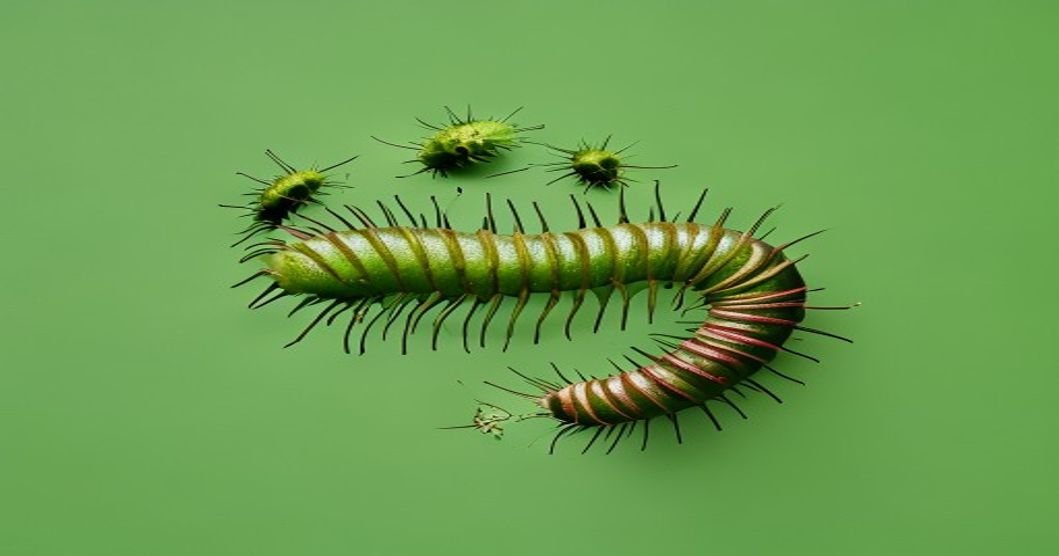

You have tried everything to kill the fungus gnats swarming your living room and the thrips destroying your Monsteras. Toxic chemicals smell terrible and damage the plant. Sticky traps are ugly. The absolute pinnacle of modern houseplant pest control involves turning your living room into a biological warzone by releasing thousands of microscopic assassins: Beneficial Nematodes.
What Are Nematodes?
Beneficial nematodes (specifically Steinernema feltiae) are microscopic, translucent, unsegmented roundworms. They are entirely invisible to the naked eye. They are completely harmless to humans, pets, and plants. They have exactly one purpose in life: to hunt down and brutally consume insect larvae living in the soil.
The Biological Execution
- When a fungus gnat or thrip lays her eggs in the soil, the larvae hatch and begin eating your plant’s roots.
- The Nematodes actively swim through the damp soil matrix, sensing the heat and carbon dioxide emitted by the insect larvae.
- Once they find the pest, the nematodes literally drill inside the larva’s body, release a lethal symbiotic bacteria that liquefies the insect from the inside out, and then consume the nutrient soup. It is highly effective and completely organic.
How to Deploy the Army
You order Nematodes online (they arrive dormant in a tiny sponge packaged with an ice pack). You simply rinse the sponge out into your watering can, stirring the water well. Then, you thoroughly water all of your houseplants.
The Golden Rule: Nematodes are aquatic organisms. They travel through the microscopic films of water in the soil. If you let the soil dry out completely, your entire army of nematodes will die instantly. You must keep the top inch of soil consistently damp for exactly two weeks after application to ensure they successfully eradicate 100% of the target pests.
Frequently Asked Questions
What are the best conditions for this plant?
Most houseplants thrive in bright, indirect light with temperatures between 65-80F (18-27C). Ensure good drainage and water when the top inch of soil feels dry.
How often should I water?
Watering frequency depends on the plant species, pot size, and environment. A general rule is to check the soil moisture before watering. Overwatering is the most common cause of houseplant death.
What soil mix works best?
A well-draining mix of peat moss, perlite, and orchid bark works well for most tropical houseplants. Succulents prefer a grittier mix with more sand and perlite.
Quick Care Reference
| Factor | Requirement | Notes |
|---|---|---|
| Light | Bright indirect | Avoid direct afternoon sun |
| Water | When top inch dry | Reduce in winter |
| Humidity | 50-70% | Mist or use pebble tray |
| Temperature | 65-80F (18-27C) | Avoid cold drafts |
| Soil | Well-draining mix | Peat, perlite, bark |
| Fertilizer | Monthly (spring-summer) | Half-strength balanced |
Pro Tips from the Field: Maximizing Beneficial Nematode Efficacy
Beyond the basics, these advanced insights from seasoned botanists and IPM specialists will help you unlock the full potential of beneficial nematodes, ensuring superior pest control and fostering a thriving soil ecosystem.
Precision Species Selection & Microclimate Optimization: Beyond Generic Application
True expertise in beneficial nematode application hinges on moving beyond a generic “nematode” purchase. Identify your target pest with precision (e.g., fungus gnats, grubs, cutworms). Then, select the specific nematode species proven most effective against that pest’s vulnerable life stage (e.g., Steinernema feltiae for fungus gnats and thrips pupae in cooler soils; Heterorhabditis bacteriophora for larger soil-dwelling grubs and weevils in warmer soils). Furthermore, meticulously monitor and manage your soil’s microclimate. Nematodes are living organisms highly sensitive to moisture and temperature. Pre-wetting the soil thoroughly the day before application and maintaining consistent moisture for at least 7-10 days post-application is critical for their mobility and survival. Avoid application during peak sun exposure, as UV radiation is lethal.
Strategic Timing & Successional Release for Persistent Pest Pressure
For perennial or recurring pest problems, a single application is often insufficient. Adopt a strategic, successional release program. For pests with multiple generations per season (e.g., some grub species), time your applications to coincide with the emergence of the most vulnerable larval stages. This often means a spring application when soil temperatures rise, and a follow-up in late summer/early fall. For greenhouse or indoor growing, consider a preventative “inoculation” every 6-8 weeks with species like S. feltiae to maintain a constant predatory presence against common pests like fungus gnats. This proactive approach builds a sustained, living defense system rather than merely reacting to infestations, significantly reducing pest population cycles over time.
Integrated Pest Management (IPM) Synergy & Antagonism Awareness
Beneficial nematodes are a cornerstone of effective IPM, but their success is amplified (or hindered) by their integration with other practices. They are generally compatible with most biological controls and organic soil amendments. However, be acutely aware of potential antagonisms with certain conventional or even some organic pesticides. Always check product labels for warnings regarding beneficial organisms. For instance, some systemic insecticides or certain nematicidal essential oils can harm beneficial nematodes. If applying other soil treatments, allow a buffer period (typically 1-2 weeks) before introducing nematodes to ensure no residual toxicity. Conversely, integrating nematodes with complementary biologicals (e.g., predatory mites for foliar pests, beneficial fungi for root diseases) creates a robust, multi-layered defense system.
Frequently Asked Questions About Beneficial Nematodes